

DR Congo: UN honours murdered rights experts with sculpture
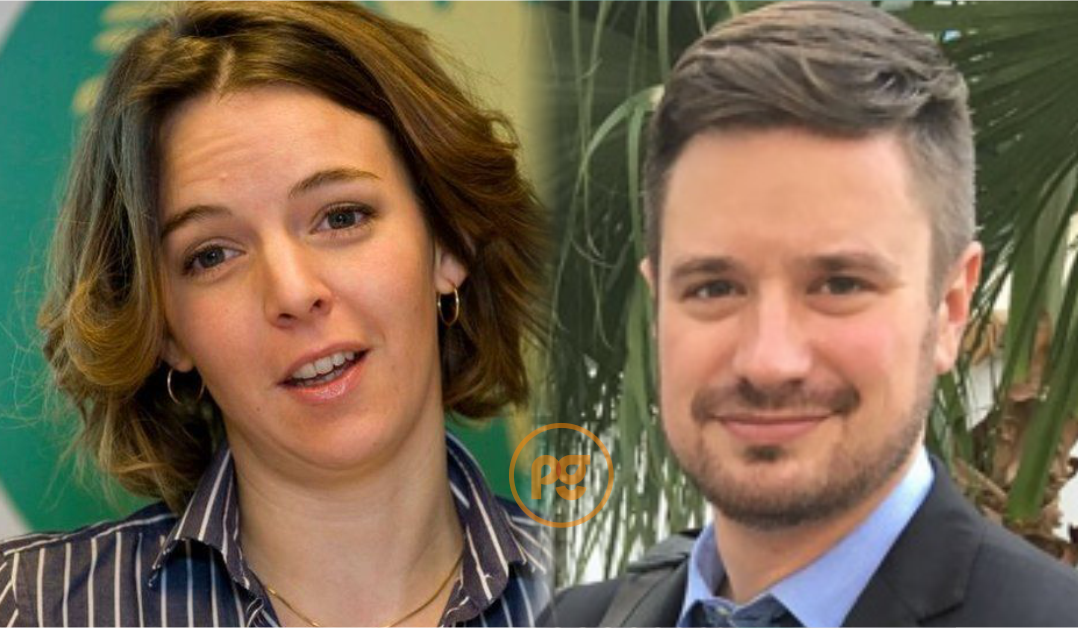
The UN at its headquarters on Wednesday unveiled a new sculpture in honour and memory of two human rights experts murdered in the Democratic Republic of the Congo (DRC) five years ago.
Speaking at the unveiling of the sculpture in New York, UN Secretary-General António Guterres again expressed deep condolences to the families of Zaida Catalán and Michael Sharp.
Members of the families of the two human rights experts attended the dedication of the sculpture captioned ‘Abused Ammunition’, a glass carving which appears in the form of a golden bullet.
Ms Catalán, from Sweden, and Mr Sharp, an American, were members of the UN Group of Experts on the DRC, which supports the work of a Security Council Committee overseeing sanctions imposed on armed groups in the country.
“Zaida and Michael devoted their lives to advancing human rights and humanitarian action; and to supporting vulnerable people,” Mr Guterres said.
They were abducted on March 12, 2017 while investigating reports of mass atrocities in the volatile Kasai region, following fighting between Congolese Government forces and armed militia.
UN peacekeepers found their bodies two weeks later outside the city of Kananga. The fate of their interpreter and three motorbike drivers remains unknown.
In January, a Congolese military court sentenced 51 people to death for killing the two experts.
“Their murder was a heinous crime. It was an assault on the values of the United Nations – an attack on the mission that countless women and men around the world risk their lives every day to uphold,” the UN chief said.
‘Abused Ammunition’ honoured that mission, said the secretary-general, by imagining the sorrow of inanimate objects – in this case, bullets – over the part they play in death and destruction.
“The United Nations continues to assist the Congolese authorities in their investigation and prosecution of those responsible for killing Zaida and Michael, and the disappearance of the four Congolese citizens who were with them,” he said.
Mr Guterres thanked the Swedish and U.S. governments who gifted the sculpture to the UN.
He also thanked Thommy Bremberg, the Swedish artist who produced the sculpture “for his message of empathy, and for honoring the achievements and sacrifices of United Nations personnel.”
(NAN)

We have recently deactivated our website's comment provider in favour of other channels of distribution and commentary. We encourage you to join the conversation on our stories via our Facebook, Twitter and other social media pages.

More from Peoples Gazette

States
Independence: NBA urges Nigerians to expect better future
The NBA said that ordinary Nigerians should be deriving benefit from the subsidy removal rather than hardship.

Agriculture
FG tasks ECOWAS on leveraging financing strategies for agroecology
The federal government has urged stakeholders in the agriculture and finance sectors in the West Africa region to leverage financing strategies to enhance agroecology practices

Politics
Katsina youths pledge to deliver over 2 million votes to Atiku
“Katsina State is Atiku’s political base because it is his second home.”
Heading 2
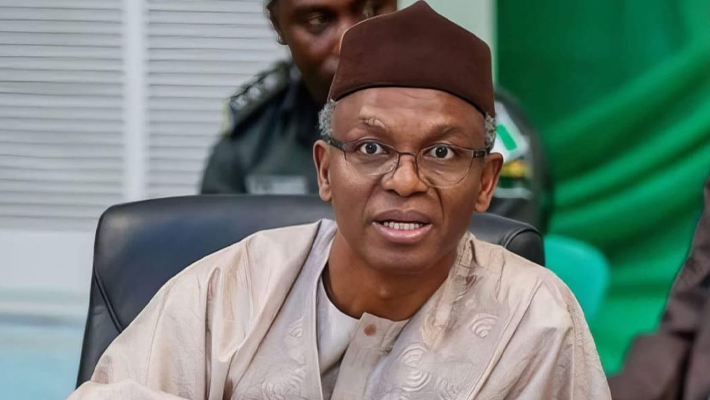
Court overrules El-Rufai’s objection to DSS forensic witness
Mr El-Rufai arrived at court amid heavy security, accompanied by his wife and Isa Kudan, the ADC governorship candidate in Kaduna State.
World
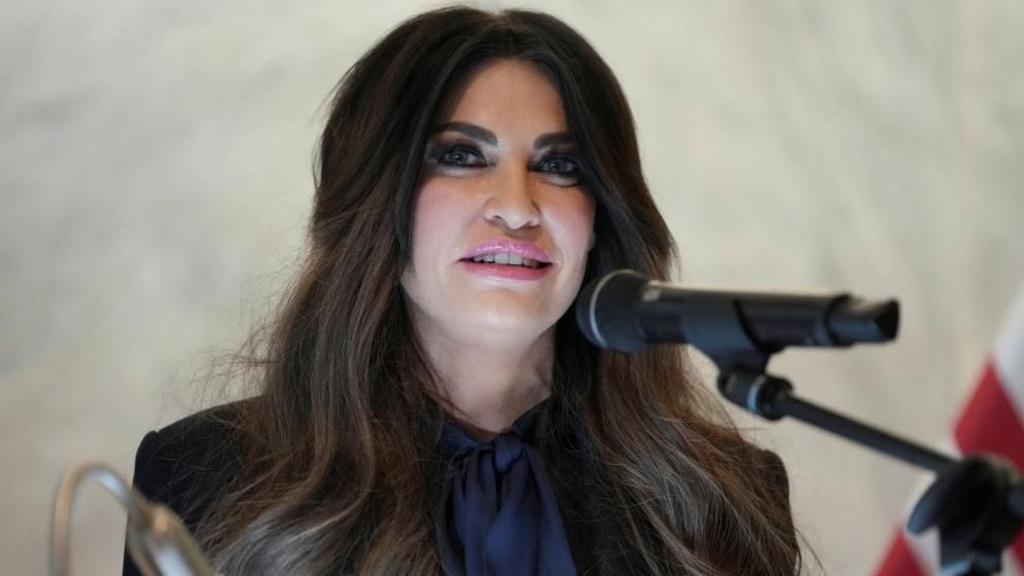
Trump fires U.S. ambassador Kimberly Guilfoyle after allegations she demanded money from donor
Mr Trump had said he was considering firing Ms Guilfoyle amid allegations that she demanded $100,000 from a political donor
States
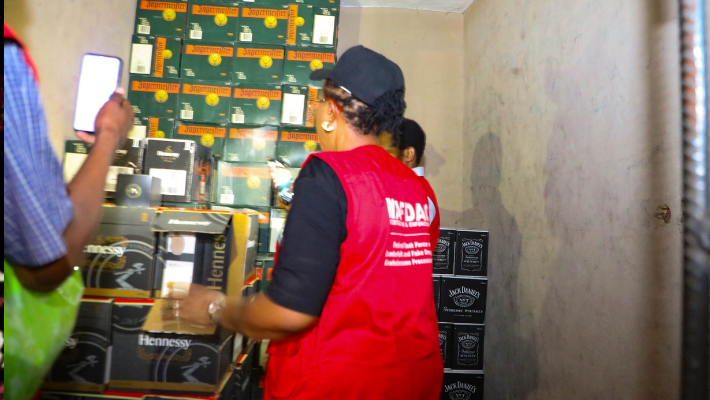
NAFDAC nabs two suspects over counterfeit alcoholic beverages in Lagos
NAFDAC said the suspects also revalidated expired and unsafe beverages for resale and stockpiled banned imported products.
States
Troops arrest suspected arms racketeers in Anambra
The army added that the suspects are currently in the custody of the 302 Artillery Regiment for further investigation.

World
Pope Leo XIV diagnosed with lung cancer after surgery: Vatican
The Vatican on Tuesday said Pope Leo XIV’s surgery to remove a nodule from his lungs confirms he has cancer.
Hot news Home top
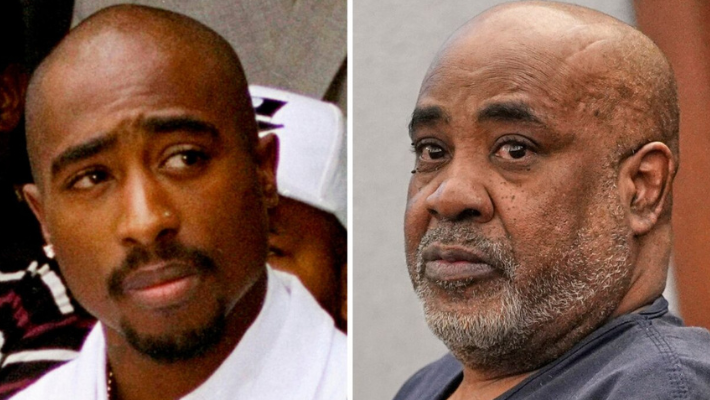
63-year-old Duane ‘Keffe D’ Davis sentenced to 40 years for murder of Tupac
Shakur was killed in a drive-by shooting in Las Vegas while he visited the city to see a Mike Tyson boxing bout.


