

Out-of-pocket expenditure on healthcare too high for Nigerians: Osinbajo
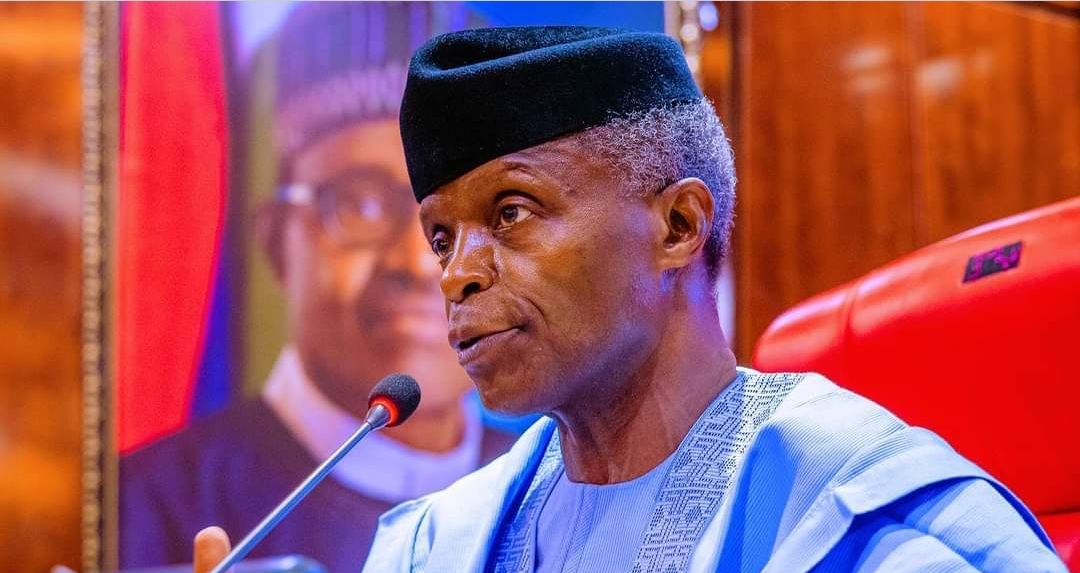
Vice President Yemi Osinbajo says out-of-pocket expenditure on healthcare remains high in Nigeria in spite of huge budgetary provision in the health sector.
Osinbajo made the submission on Thursday in his virtual keynote address at the official inauguration of Sustainable Development Goals 3 and 4 (SDG-3 and SDG-4) Independent Evaluation Reports in Nigeria.
The event was held at the State House Banquet Hall, Abuja.
Mr Osinbajo said Nigeria must bridge the significant gaps between health budgets and health expenditure which exist across the entire country.
The vice president said the reports marked the end of a long process which began in December 2018 at the African regional workshop on SDGs in Addis Ababa, Ethiopia.
Mr Osinbajo said that with the adoption of the agenda and the SDGs, Nigeria set for itself a vision to end extreme poverty and contribute to safeguarding the planet by 2030.
“Achieving inclusive sustainable development is an objective that aligns closely with our government’s desire to bring the 100 million people out of poverty in 10 years.
“It is for this reason that the federal government of Nigeria established a number of programs to support the acceleration of the achievement of the SDGs.
“The Office of the senior Special Assistant to the President on SDGs, has continued to provide technical leadership in the operationalisation of the SDGs.
He added that the report highlighted the need to address systemic gaps and challenges in the areas of health and education.
“The findings contained in these strategic evaluations reinforce the evidence for improving health and educational outcomes in Nigeria.
“And highlight how all stakeholders, governments, development partners and civil society can best address systemic gaps and challenges.’’
According to the vice president, the inauguration comes with a responsibility for stakeholders to intentionally use the key findings of the two evaluations to strengthen policies that support the achievement of the SDGs.
On SDG three which focused on quality health and wellbeing for all, he said, the report indicated that though Nigeria had a suitable institutional framework, there was the dirge in quality care and availability of equipment and essential medicines.
“Key among them includes the Basic Healthcare Provision Fund, and the National Health Insurance app, both of which address health financing as a means of improving access to care.
“The report notes that although there is considerable effort by national health programs to increase access to health services, there are also strong barriers to the delivery of these services, mainly linked to the quality of care and availability of equipment and essential medicines.
“Even though government expenditure double between 2010 and 2017, out of pocket expenditure remains high in Nigeria, 74.3 per cent on average between 2010 and 2017, and wide variations exist across the 36 states and the FCT.
“Indeed, significant gaps between health budgets and health expenditure exist across the entire country.’’
He said one of the most important actions to be taken to achieve the SDG 3 was to create a self-sustaining financial architecture, universal health coverage, improved clinical governance and harmonious health workforce.
On specific indicators, the vice president said that the net enrolment rate showed that just over two third of Nigerian children or 69.9 per cent were attending school in 2019.
He, however, said that the National Homegrown School Feeding Programme helped to increase school enrollment and slight improvement in learning outcomes.
“It also noticed that government policies have demonstrated attention to gender equality, and the empowerment of girls and women.
“However, despite the emphasis on girls’ education, completion rates for girls continue to lag behind boys overall.
“And comparisons of learning results from between baseline studies and the SDGs evaluation, shows little progress in closing the gender gap.”
He added that the negative impact of COVID-19 will likely be greater for girls than for boys.
“On these key findings, the evaluation report suggests the need to initiate a collective consultative process to develop a new education sector strategy plan 2023 to 2039.”
He said the strategy for the basic education sector should be gender responsive, with specific policies and strategies that go beyond education for all to strategically target the most vulnerable.
“These policies must recognise the structural barriers that keep children out of school, such as economic hardship, distance from schools, insecurity, and unsafe conditions, socio-cultural barriers,’’ he added.
Mr Osinbajo said building the commitment and incentive necessary to prioritise and increase basic educational financing up to 12 per cent at all levels, was crucial.
On her part, Adejoke Orelope-Adefulire, Senior Special Assistant to the President on SDGs, said that the 2030 Agenda envisioned a present and a future that was economically sustainable, socially inclusive and environmentally resilient.
She said that the reports were products of a series of efforts led by her office in close collaboration with the Federal Ministries of Finance, Budget and National Planning, Health and Education, with the support of UNICEF.
“The evaluation on SDGs 3 and 4 have been prioritised based on our national development priorities as embedded in the Economic Recovery and Growth Plan (ERGP -2017-2020),’’ she said.
Amina Muhammed, Deputy UN Secretary General, said that as indicated by the reports, Nigeria recognised that health and education were cornerstones for sustainable and equitable development.
According to her, strengthening the Nigerian healthcare system is the key for preparedness to tackle current and future pandemics.
(NAN)

We have recently deactivated our website's comment provider in favour of other channels of distribution and commentary. We encourage you to join the conversation on our stories via our Facebook, Twitter and other social media pages.

More from Peoples Gazette

Agriculture
FG tasks ECOWAS on leveraging financing strategies for agroecology
The federal government has urged stakeholders in the agriculture and finance sectors in the West Africa region to leverage financing strategies to enhance agroecology practices

Politics
Katsina youths pledge to deliver over 2 million votes to Atiku
“Katsina State is Atiku’s political base because it is his second home.”
Heading 5
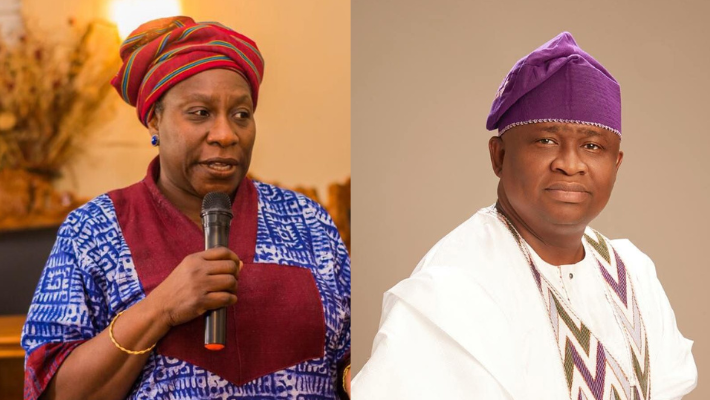
Iyabo Obasanjo berates Ogun APC governorship candidate Yayi over comment on state treasury
Ms Obasanjo accused Mr Adeola of suffering from trust deficit.

NationWide
Global hunger reduces across continents, trade disruption looms, says UN
According to the UN experts, global hunger is projected to keep falling by 2030.

Hot news Home top
People talk about everything I do, Cardi B reacts to Okoye dating rumours
The rapper in a short clip posted on her Instagram story on Monday compared herself to modern pop musician, Britney Spears.

States
Accord Lagos assembly candidate tasks political leaders on effective dialogue, accountability
Mr Ajibola called for greater youth participation in governance.
![Nigerian Upstream Petroleum Regulatory Commission [NUPRC]](https://gazettengr.com/wp-content/uploads/NUPRC.png)
NationWide
FG returns 13 oil blocks to bid basket for future licensing rounds
Mr Egba said bidders would be assessed on their proposed field development plans and other technical parameters.
States
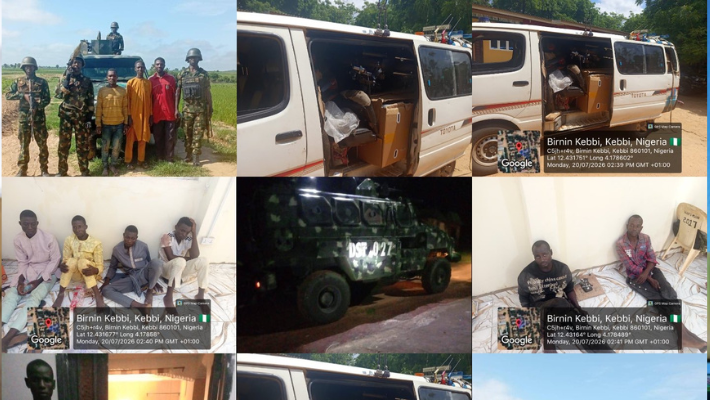
Troops rescue kidnap victims, nab terrorist logistics suppliers in operations across Zamfara, Katsina, Kebbi
The statement noted that on 19 July 2026 vehicle conveying 10 motorcycles suspected to be for terrorists were intercepted during a routine stop-and-search operation in Kebbi State.


