

UN urges more investment in safe drinking water
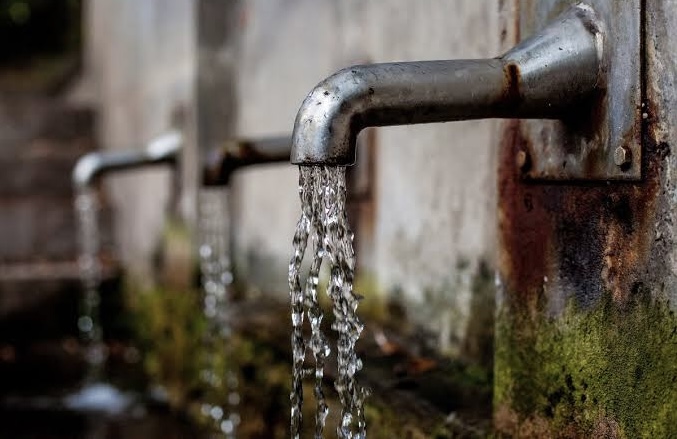
Some United Nations agencies say universal access to safe drinking water requires increased investment backed by strong government institutions.
WHO, UNICEF and World Bank in a report released on Monday said governments must invest strategically in building safe drinking water systems by not only increasing funding but also strengthening capacities to plan and coordinate.
The ‘State of the World’s Drinking Water’ report disclosed that more than two billion people gained access to safe drinking water in the past two decades.
It added that “this progress, while positive, is fragile and inequitable with one-quarter of the world’s population left behind,” while noting that climate change is increasing the frequency and intensity of droughts and floods, “which exacerbate water insecurity, disrupt supplies and devastate communities.”
According to the report, rapid urbanisation is increasing the strain on cities’ capacity to deliver water to millions of people living in in-formal communities and slums.
Maria Neira, the WHO director, at the Department of Environment, Climate Change and Health, said providing greater access to safe drinking water saved many lives, most of them children.
She, however, added that “climate change is eating into those achievements. We have to accelerate efforts to ensure every person has reliable access to safe drinking water; something that is a human right, not a luxury.”
Ms Neira said the report provided a comprehensive review of the links between water, health and development, with actionable recommendations for governments and partners.
She said it was illustrated by examples of how countries are contributing to the attainment of the Sustainable Development Goal (SDG) target of reaching safely managed drinking water for all by 2030.
According to Saroj Jha, the global director of World Bank Group’s Water Global Practice, investing in water and sanitation is critical to health, economic growth and the environment.
Mr Jha stressed that healthier children would become healthier adults who then contribute more to the economy and society.
He said “this principle is at the core of the World Bank’s Human Capital Project.”
(NAN)

We have recently deactivated our website's comment provider in favour of other channels of distribution and commentary. We encourage you to join the conversation on our stories via our Facebook, Twitter and other social media pages.

More from Peoples Gazette

Agriculture
FG tasks ECOWAS on leveraging financing strategies for agroecology
The federal government has urged stakeholders in the agriculture and finance sectors in the West Africa region to leverage financing strategies to enhance agroecology practices

Politics
Katsina youths pledge to deliver over 2 million votes to Atiku
“Katsina State is Atiku’s political base because it is his second home.”
Lagos
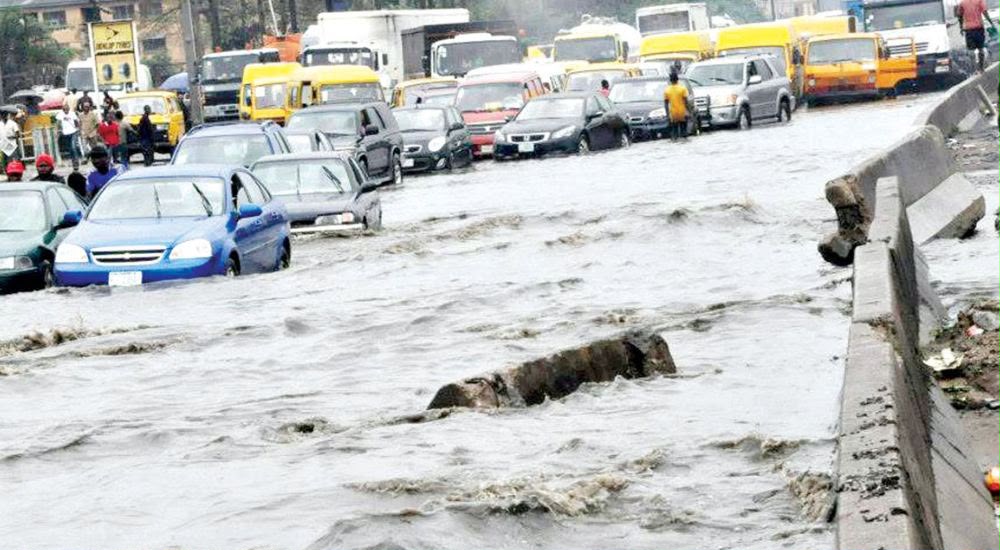
Heavy rain leaves Lagos commuters stranded as commercial drivers hike fares
Heavy rainfall on Monday left many Lagos commuters stranded.
Lagos
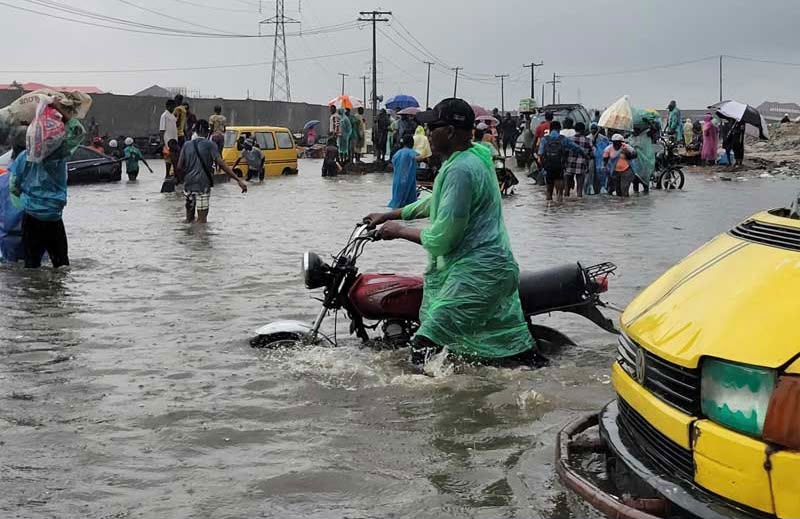
Ibeju-Lekki council begins flood control interventions in communities
He said the council had deployed swamp buggies, drainage-clearing equipment and pumping machines to tackle flooding in communities across the LGA.
World
Trump vows U.S. control of Strait of Hormuz amid escalating tensions
“We are going to guard it. We are going to get paid,” Mr Trump said.
World
University of Oxford develops new Ebola vaccine
The vaccine would be assessed for safety and immune response in 50 healthy adults in the UK aged between 18 and 55.
NationWide
Insecurity: Nigeria adopts victim-centred reintegration plan to strengthen communities
The national coordinator of the National Counter Terrorism Centre (NCTC), Maj

Education
Suspension of WAEC, NECO fee hike victory for Nigerians, says Obi
“Education is a fundamental right and a public good, not a source of government revenue,” he said.


