


UK schools warned not to ban Afro hairdos

All UK schools have been directed by Britain’s equality watchdog, the Equality and Human Rights Commission (EHRC), not to penalise students for wearing their hair in natural Afro styles.
“Discriminating against pupils in relation to or because of their hair may have a negative effect on pupils’ mental health and wellbeing,” reads the new EHRC directive which applies to schools in England, Scotland and Wales.
The directive was spurred by growing worries over laws prohibiting students from sporting certain hairstyles, including braids, cornrows, and plaits, especially in light of Ruby Williams’s long-running legal dispute with her school over her Afro.
At 14, Afro-wearing Ms Williams, had been singled out of her class by a teacher who advised her to apply chemicals to straighten her hair, before sending her home. She had to braid her hair before she was permitted to return to school.
“They destroyed her,” said her mother, Kate Williams, asserting her daughter lost interest in school and her attendance dropped after the incident. “You shouldn’t have to change your hair to get an education.”
In 2020, Ms Williams prevailed in a case against the Urswick School in Hackney, which claimed that her Afro did not adhere to the uniform guideline and prevented other students from seeing the whiteboard clearly.
She received £8,500 out-of-court settlement from the school, after three years of legal back-and-forths.
The EHRC had provided financial assistance to Ms Williams in the case against Urswick school which lasted three years.
Similarly, the commission had rendered help to another British student of Fulham boys school, Chikayzea Flanders, a 12-year-old student on dreadlocks.
Mr Flanders’ mother took his West London school to court after the administration claimed that her son’s dreadlocks violated the school’s dress code and kept him apart from his classmates. She argued the locks were significant to their Rastafarian beliefs.
The directive has now barred schools from engaging any disciplinary action against students who wear their hair in natural states.
“We want to put a stop to pupils being unfairly singled out for their appearance in schools. Every child deserves to be celebrated for who they are and to thrive in school without having to worry about changing their appearance to suit a potentially discriminatory policy,” asserted EHRC chief regulator, Jackie Killeen.
Reacting to the new directive, Ms Williams, now 20-years-old, said it was hard to believe “some schools still think it is reasonable to police Afro hair — a huge part of our racial identity.”
“I hope that this will prevent other children from experiencing what I did,” Ms Williams told The New York Times.

We have recently deactivated our website's comment provider in favour of other channels of distribution and commentary. We encourage you to join the conversation on our stories via our Facebook, Twitter and other social media pages.

More from Peoples Gazette

Agriculture
FG tasks ECOWAS on leveraging financing strategies for agroecology
The federal government has urged stakeholders in the agriculture and finance sectors in the West Africa region to leverage financing strategies to enhance agroecology practices

Politics
Katsina youths pledge to deliver over 2 million votes to Atiku
“Katsina State is Atiku’s political base because it is his second home.”
Heading 4
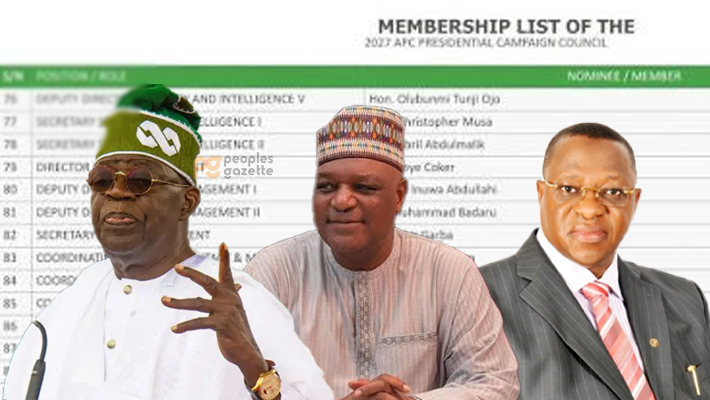
Tinubu, APC rewarding corrupt politicians, Nigerians react to Nyame, Dariye’s appointment as campaign council members
Nigerians have reacted to the appointment of two former governors, Jolly Nyame and Joshua Dariye, as members of the presidential campaign council for 2027.

Health
Youth group screens 100 indigents for genotype, hepatitis in Kwara
The Young and Gifted Youth Development Initiative (YGYDI) organised a free community health outreach for residents of Ajangbadi, Ilorin South LGA.
Heading 5
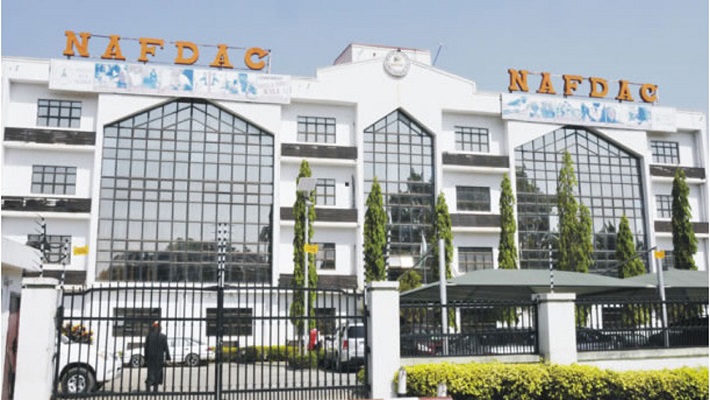
NAFDAC orders nationwide recall of banned alcoholic beverages
NAFDAC ordered manufacturers of alcoholic beverages below 200ml to commence nationwide recall and stop further production.
NationWide
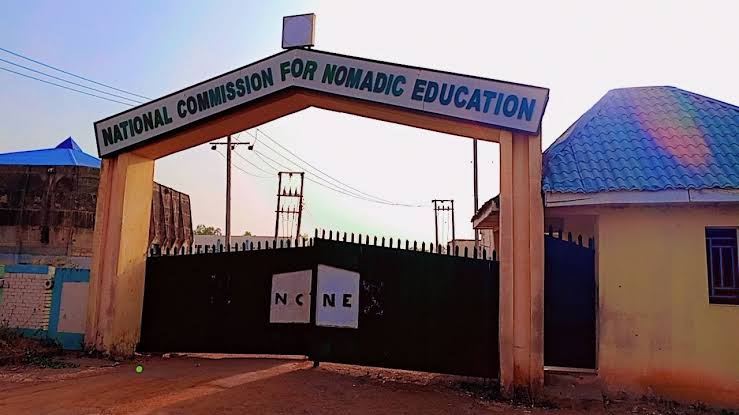
5.2 million nomadic children remain out of school: NCNE
The NCNE said the affected children included those of nomadic pastoralists, migrant fishermen, and migrant farmers whose lifestyles limited access to conventional schools.
NationWide
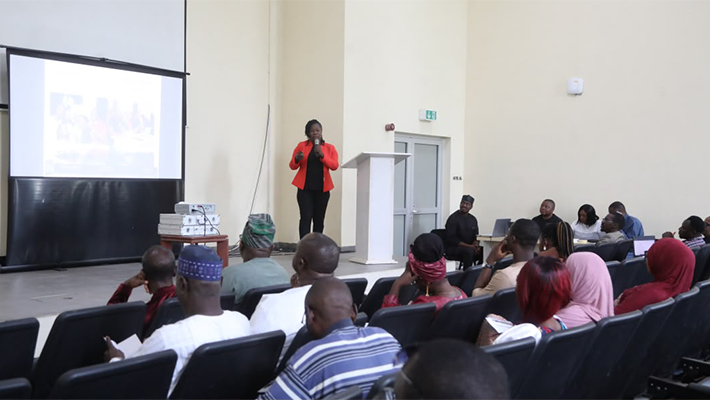
Environmentalist urges LGs to turn policies into practical interventions
Mr Odugala said local governments are closest to the people and well positioned to turn development policies into meaningful interventions.

Economy
Foremost Capital bags BBB+ rating, grows assets by 250%
Asset management firm Foremost Capital secured the BBB+ rating from DataPro.


