

Philippines cuts ties with ICC over drugs war investigation
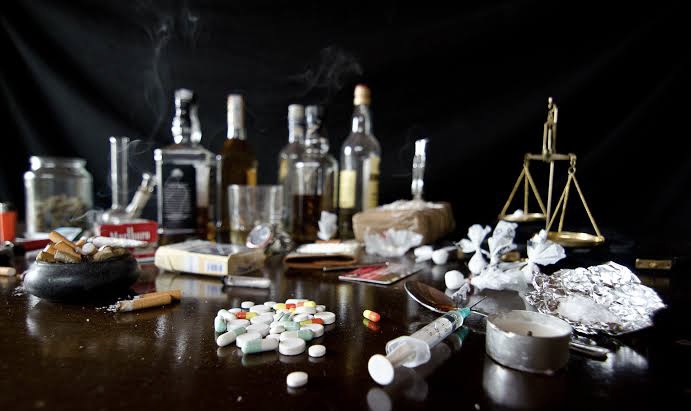
The Philippines has cut off communication with the International Criminal Court (ICC) after it refused to suspend an investigation into the war on drugs, which has left thousands dead.
“That ends all our involvement with the ICC,’’ President Ferdinand Marcos Jr told reporters Tuesday after his government’s appeal was rejected. “The appeal has failed, and in our view, there is nothing more that we can do. At this point, we essentially are disengaging from any contact, from any communication with the ICC.’’
The president noted that his government had not been cooperating with the ICC in the case so far but is merely commenting on the state of the procedure in the controversial anti-drug campaign.
“We ended up in the same position that we started with, and that is, we cannot cooperate with the ICC, considering the very serious questions about their jurisdiction and about what we consider to be interference and practically attacks on the sovereignty of the republic,’’ he said.
Former President Rodrigo Duterte launched the war on drugs when he was elected president in 2016 after running an anti-crime campaign.
However, police said more than 6,000 people were killed in operations against illegal drugs during Mr Duterte’s administration.
But human rights groups have alleged that the death toll could be three times higher.
In March 2018, Mr Duterte ordered the Philippines’ withdrawal from the ICC after the court’s chief prosecutor announced a preliminary examination of his war on drugs campaign.
The withdrawal took effect on March 17, 2019.
Based in The Hague, the ICC is the first treaty-based permanent international criminal court created by the Rome Statute of 1998.
(dpa/NAN)

We have recently deactivated our website's comment provider in favour of other channels of distribution and commentary. We encourage you to join the conversation on our stories via our Facebook, Twitter and other social media pages.

More from Peoples Gazette

Agriculture
FG tasks ECOWAS on leveraging financing strategies for agroecology
The federal government has urged stakeholders in the agriculture and finance sectors in the West Africa region to leverage financing strategies to enhance agroecology practices

Politics
Katsina youths pledge to deliver over 2 million votes to Atiku
“Katsina State is Atiku’s political base because it is his second home.”

Lagos
Latest Lagos Flooding: Ibeju-Lekki LG chairman tours affected areas, promises intervention
The tour assessed the extent of the damage following devastating flooding caused by persistent rainfall, which rendered residents homeless and destroyed valuable possessions.

Opinion
Some foundational arguments on state police
This historical inheritance also explains why the regional police of the First Republic became vulnerable to political manipulation.

States
Police launch manhunt for driver, conductor over attempted murder of officers
The police command in Enugu has launched a manhunt for a bus driver and his conductor for the attempted murder of officers and the snatching of a rifle.

Lagos
NDLEA intercepts multibillion-naira hard drugs from Canada at Lagos port
The National Drug Law Enforcement Agency says it intercepted 8,287 bags of suspected Canadian Loud, weighing 4,143.5 kilogrammes, at the Apapa port in Lagos.
Rights
SPECIAL: Homeless Mokwa flood survivors seek answers to N4 billion donations, accuse Gov Bago of neglect, unfulfilled promises
As Mokwa survivors struggle to rebuild their lives, they highlight how Governor Umar Bago’s administration appears unaccountable for billions of naira donated for their relief.
Uncategorized
Methodist Church recommends death penalty for Nigerian criminals
Mr Koko-Bassey asked the National Assembly to enact laws prescribing the death penalty for kidnappers and perpetrators of other heinous crimes to serve as a deterrent to others.


