

About half of world population at risk of dengue fever due to global warming: WHO

The World Health Organisation (WHO) has attributed the spike in dengue fever to global warming marked by higher average temperatures, precipitation, and a longer period of drought.
Raman Velayudhan, WHO’s Head of the Global Programme on Control of Neglected Tropical Diseases, told journalists at the UN in Geneva on Friday.
“About half of the world’s population is at risk of dengue, and dengue affects approximately 129 countries.
“We estimate that about 100 to 400 million cases are reported every year. This is basically an estimate, and the American region alone has reported about 2.8 million cases and 101,280 deaths,” said Mr Velayudhan.
Dengue, also called breakbone fever, is the most common viral infection that spreads from mosquitoes to people.
Most people with dengue do not have symptoms and recover in one to two weeks. But some people develop severe dengue and need hospital care.
According to him, dengue is spread by the Aedes species of mosquito. The disease is more common in tropical and subtropical climates. Its incidence has grown dramatically worldwide in recent decades.
“In 2000, we had about half a million cases, and today in 2022, we recorded over 4.2 million, which really shows an eight-fold increase,” he said.
He said the number could well increase with more and more accurate figures.
Asia represents around 70 per cent of the global disease burden, and the future outlook is bleak, according to the WHO expert.
The Aedes mosquito is well-established in Europe, and dengue and chikungunya infections have been reported for over a decade.
“European countries are also on alert because Europe has recorded an Aedes transmission of either dengue or chikungunya since 2010.
“We have had more outbreaks since then, and it is estimated that the mosquito is present in about 22 European countries,” Mr Velayudhan said.
Numerous factors in addition to climate change have driven the spread of dengue fever, such as the increased movement of people and goods, urbanisation and pressure on water and sanitation.
“The mosquito manages to survive even when there is water scarcity,” the WHO expert said.
“So, both during a flood situation as well as a drought situation, dengue can increase. The virus and the vector multiply faster at a higher temperature. This is a well-known fact,” the expert said.
Dengue fever does not have a specific treatment, and no direct drug intervention is available. Usually, the disease is treated with medicines to treat fever and pain.
(NAN)

We have recently deactivated our website's comment provider in favour of other channels of distribution and commentary. We encourage you to join the conversation on our stories via our Facebook, Twitter and other social media pages.

More from Peoples Gazette

States
Independence: NBA urges Nigerians to expect better future
The NBA said that ordinary Nigerians should be deriving benefit from the subsidy removal rather than hardship.

Agriculture
FG tasks ECOWAS on leveraging financing strategies for agroecology
The federal government has urged stakeholders in the agriculture and finance sectors in the West Africa region to leverage financing strategies to enhance agroecology practices

Politics
Katsina youths pledge to deliver over 2 million votes to Atiku
“Katsina State is Atiku’s political base because it is his second home.”

States
Troops rescue three kidnap victims in Kebbi community
Mr Olaniyi said the victims were later handed over to the district head of Dirindaji, Usman Muhammad.

States
One killed as car crashes, bursts into flames on Lagos bridge
LASTMA said its officials are managing traffic to facilitate the free flow of vehicles.

States
Kebbi govt delivered 25 major projects, awarded 13 new contracts: Commissioner
Mr Ahmed-BK said the state’s road network had suffered decades of neglect, leaving residents with poor connectivity and decaying facilities.
States
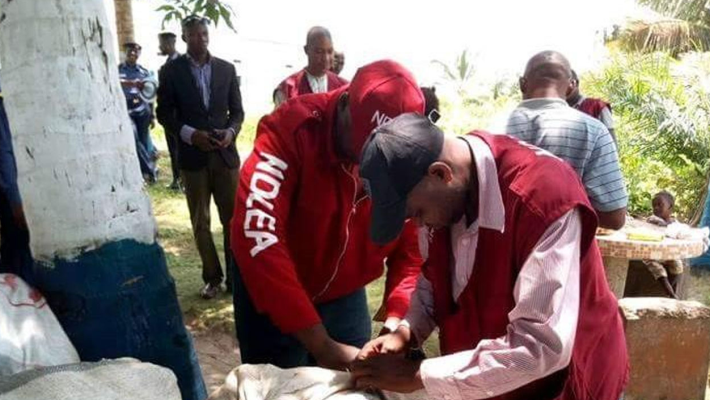
NDLEA arrests South African woman, U.S.-based grandmother over drug trafficking
Mr Babafemi said the NDLEA operatives recovered 5,820 pills of diazepam, 780 tablets of tramadol, 3.7kg of skunk, and 230.25 litres of skuchies.

Abuja
Tiler arrested for allegedly killing hotel worker in Abuja
The police boss urged residents to shun violence and self-help during disagreement.
States
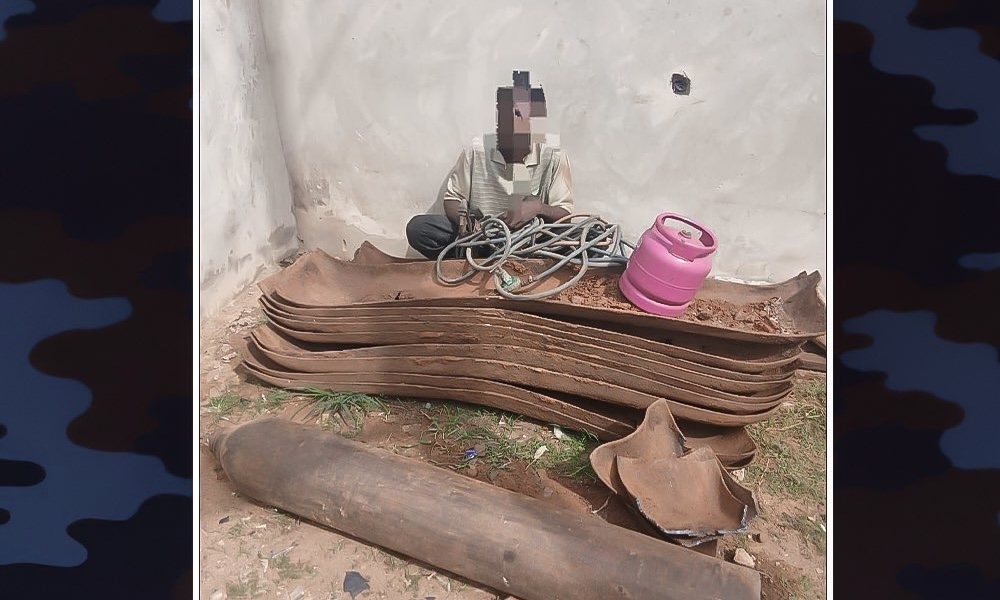
Ogun police arrest suspected railway vandal, recover 16 stolen iron rods, gas cylinders
The 36-year-old suspect was apprehended after operatives intensified surveillance in the area on Friday.


