

CBN electricity subsidies jumped from N65 billion in 2015 to N865 billion in 2022 without improved supply
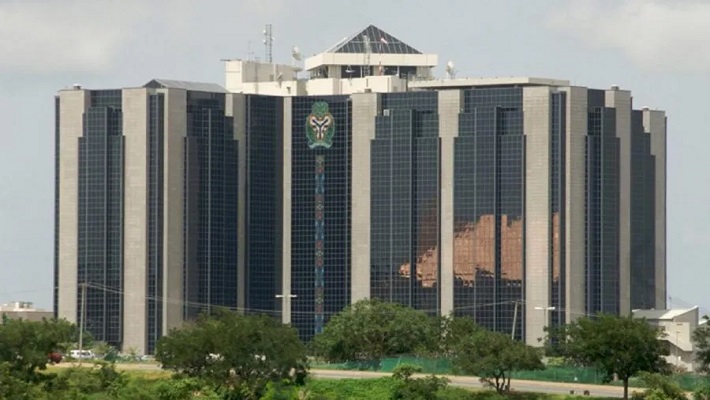
The Central Bank of Nigeria (CBN) spent over N2.7 trillion between 2015 and 2022 to subsidise power supply to Nigerians through the Nigerian Electricity Supply Industry (NESI), according to the apex bank’s newly released financial statement on Thursday.
The massive funding comes against the backdrop of persistent poor power supply to many homes and industrial sectors in Nigeria throughout the years.
According to the financial report, the CBN, in 2015, used its authority to facilitate the privatisation of the power business by funding the power sector with N65 billion through the NESI programme. The figures reduced to N50 billion in 2016, a difference of N15 billion, representing a 76.92 per cent decrease.
In 2017, CBN jerked the funding for the power sector subsidy programme spending N523 billion, a 423 per cent increase over the previous year. It is unknown how much the CBN spent on power subsidies in 2018, as its financial statement was stored in a corrupted file, according to checks as of the time of filing this report.
Efforts to speak with the CBN spokesperson, Isa Abdulmumin, for comments on Friday were unsuccessful as he has yet to respond to calls and text messages sent to his known phone number.
According to the report, the apex bank funded subsidies in 2019 at N221 billion, but it decreased to N204 billion in 2020, a difference of N17 billion or 7.6 per cent.
The index stated that the CBN financed power subsidies for N786 billion in 2021 and N865 billion in 2022, a difference of N79 billion or 9.13 per cent.
Despite the huge spending, the unreliable power supply has drawn more criticism from all sides, as it negatively impacts economic activities. The situation is worse due to the recent increases in fuel costs, making it more challenging for many Nigerians to run their generators.
Last week, stakeholders in the NESI announced plans to review the power industry’s gains and setbacks since the privatisation 10 years ago. Despite significant federal government investments, the nation produces 4,000 megawatts of energy supply.
The NESI is primarily composed of the Generation Companies (GenCos), the Transmission Company of Nigeria (TCN), the Distribution Companies (DisCos), and the consumers.
The CBN holds 99.99 per cent of the share capital in NESI. The subsidiary reforms promote the Nigerian power supply industry’s long-term sustainability growth and efficiency.
A market operator, Edmund Eje, said the power industry has so far failed to meet consumers’ expectations, according to Dailytrust newspaper.
In a 2015 circular by the CBN, the apex bank approved the terms and conditions for the participation of Deposit Money Banks (MBs) in the implementation and execution of the Nigeria Electricity Market Stabilisation Facility (CBN-NEMSF).
Citing section 31 of the CBN Act, 2007, the bank indicated interest as a financier of the power supply subsidy initiative through the CBN-NEMSF.
The power sector was privatised in November 2013 during former President Goodluck Jonathan’s administration, with six power production units and eleven energy distribution businesses handed over to the private sector. The federal government kept ownership of the TCN.
However, years after the power sector was privatised, the 2015 CBN circular, signed by Kevin Amugo, the bank’s director of financial policy and regulation, acknowledged that the privatisation had been difficult on the bank’s liquidity because of several factors, including a lack of gas and other irregularities

We have recently deactivated our website's comment provider in favour of other channels of distribution and commentary. We encourage you to join the conversation on our stories via our Facebook, Twitter and other social media pages.

More from Peoples Gazette

Agriculture
FG tasks ECOWAS on leveraging financing strategies for agroecology
The federal government has urged stakeholders in the agriculture and finance sectors in the West Africa region to leverage financing strategies to enhance agroecology practices

Politics
Katsina youths pledge to deliver over 2 million votes to Atiku
“Katsina State is Atiku’s political base because it is his second home.”
Heading 3
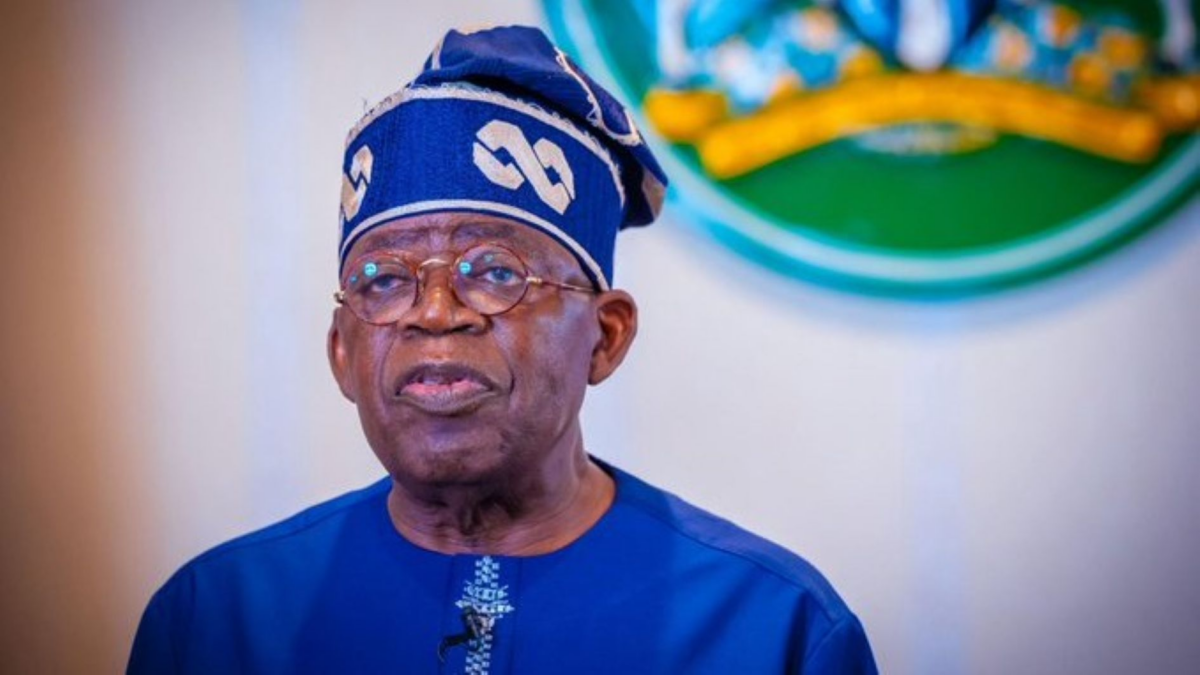
Re-elect me to complete good works my govt started, Tinubu begs Nigerians
Mr Tinubu assured that said peace and development were gradually returning to the country.
States
Sanitation: Sanwo-Olu’s wife urges residents to embrace waste sorting
Mr Moye urged the authorities to ensure that waste was evacuated regularly.

World
Virginia man jailed 40 years for sexually exploiting dozens of minors on Snapchat
The convicted child sex offender assaulted victims, recording and saving videos of the abuse on his Snapchat account.

Hot news Home top
Detained ex-Kaduna governor El-Rufai paying for his misrule while in power for eight years, says Shehu Sani
Mr Sani accused the embattled governor of disobeying court orders while jailing opposition leaders, critics and religious leaders indiscriminately.

NationWide
Colombian envoy seeks robust ties with Nigeria
Mr Amokachi spoke on using sports as a tool for social change and youth empowerment.
World
Woman who accused Jay-Z of raping her at 13 says allegation untrue
The woman noted that she was not promised or received any compensation for the declaration.


