

SMEDAN advocates stakeholders’ support for MSMEs

The Small and Medium Enterprises Development Agency of Nigeria (SMEDAN) has urged stakeholders within the Micro Small and Medium Enterprises (MSMEs) ecosystem to create a more supportive environment for MSMEs to grow, thrive and contribute to the economy.
The chief executive officer, SMEDAN, Olawale Fasanya, gave the advice at a two-day MSMEs business summit, organised by Innovation Centre for Leadership and Entrepreneurship Development (ICLED) in collaboration with SMEDAN on Wednesday in Lagos.
The summit had the theme, “Renewing MSMESs in Nigeria: Navigating Disruption and Embracing Change in the New Digital World”.
Mr Fasanya said that the latest survey the agency conducted with the National Bureau of Statistics in 2017 revealed Nigeria had about 41.2 million MSMEs and in 2020, about 39.6 million.
According to him, the country lost about three million as a result of COVID-19.
Mr Fasanya, represented by a director in SMEDAN, Friday Okpara, noted that within the 39.6 million MSMEs in 2020, about 96.9 per cent were within nano and micro enterprises.
He said, “that is to tell us that 3.1 per cent is just small and medium-sized, and that is a big job for those within the MSMEs ecosystem.
“Especially SMEDAN, Standards Organisation of Nigeria, Nigerian Export Promotion Council, National Agency for Food and Drug Administration and Control, amongst others.
“We should see to how we can mainstream these 96.9 per cent micro enterprises to small and medium-sized; and if you look at the type of crisis we are having in terms of youth unemployment and we say we have 39.6 million MSMEs, assuming we employ one each, a lot will be off the market.
“This is part of the mandate of the agency to ensure that we have the capacity to make a small legion of that to enable them contribute more to the GDP.’’
The SMEDAN boss also noted that the MSMEs had made an encouraging contribution to the country’s Gross Domestic Product of 46.31 per cent, saying that more needed to be done.
“Their contribution to exports is very minimal compared to India which has about 42.5 per cent contribution of MSMEs to exports; equally in 2017, their contribution to export was about 7.27 per cent but the 2020 figure has shown us that there is a decline to 6.21 per cent.
“This means that SMEDAN should collaborate more and partner more with the Nigerian Export Promotion Council to enable us to have more MSMEs, especially with the recent Africa Continental Free Trade Area in which Nigeria is a big player among the 64 African countries,’’ Fasanya said.
Stephen Aliu, team leader, centre for entrepreneurship development and wealth creation and faculty member, ICLED Business School, said fostering growth and development of MSMEs would require relevant stakeholders to implement best practices as done in other climes.
“SMEs often face challenges in accessing finance due to limited collateral or credit history.
“Governments and financial institutions should develop tailored financial products such as microloans, venture capital funds, or crowdfunding platforms to provide affordable and accessible financing options for SMEs.
“Additionally, promoting financial literacy and offering business advisory services can help SMEs improve their financial management capabilities.
“Simplify regulations and reduce bureaucratic barriers, enhance entrepreneurship education and training, foster innovation and technology adoption, facilitate market access and internationalisation and build supportive ecosystems.
“Implementing above practices concomitantly by governments, regulatory agencies and other stakeholders can create an enabling environment for SMEs to thrive, be resilient, contribute significantly to economic growth, and create employment opportunities,’’ he said.
The president of ICLED, Olajumoke Familoni, noted that Africa was the next business frontier, as had been forecasted, and hence, the need to prepare before it happened.
“How do we take advantage? We have to be intentional about adapting to technological change and the change in the business landscape.
“The pandemic caused by COVID-19 has brought about disruptions and a new reality of a resilient global business environment in which MSMEs must operate and source for ways of thriving.
“Digital transformation is a driving force for innovative, inclusive and sustainable growth.
“Innovations and digitisation are stimulating job creation and contributing to addressing poverty, reducing inequality, facilitating the delivery of goods and services and contributing to the achievement of Agenda 2063 and the Sustainable Development Goals,’’ she said.
(NAN)

We have recently deactivated our website's comment provider in favour of other channels of distribution and commentary. We encourage you to join the conversation on our stories via our Facebook, Twitter and other social media pages.

More from Peoples Gazette

Agriculture
FG tasks ECOWAS on leveraging financing strategies for agroecology
The federal government has urged stakeholders in the agriculture and finance sectors in the West Africa region to leverage financing strategies to enhance agroecology practices

Politics
Katsina youths pledge to deliver over 2 million votes to Atiku
“Katsina State is Atiku’s political base because it is his second home.”

Health
Ogun assembly passes safe pregnancy termination bill for second reading
Mr Elemide said the legislation was intended to reduce preventable maternal deaths while promoting safe motherhood and reproductive health rights.

Economy
Investors gain N1.86 trillion as stock market extends rally
Market capitalisation rose by 1.24 per cent, or N1.864 trillion, to close at N152.135 trillion, up from N150.271 trillion.
Abuja
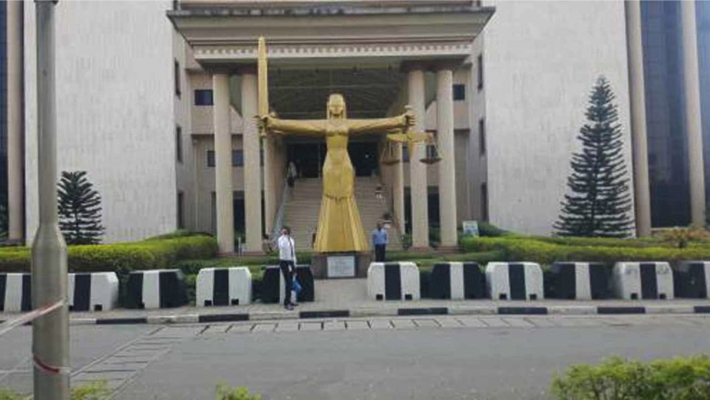
Court adjourns trial of six alleged coup suspects until July 20
The case could not proceed after repeated disputes over the interpretation of the sixth defendant’s testimony.

States
NDLEA arrests 42 suspects, destroys three cannabis farms in Edo
The commander said the agency also secured the conviction of 10 drug offenders.
Heading 4
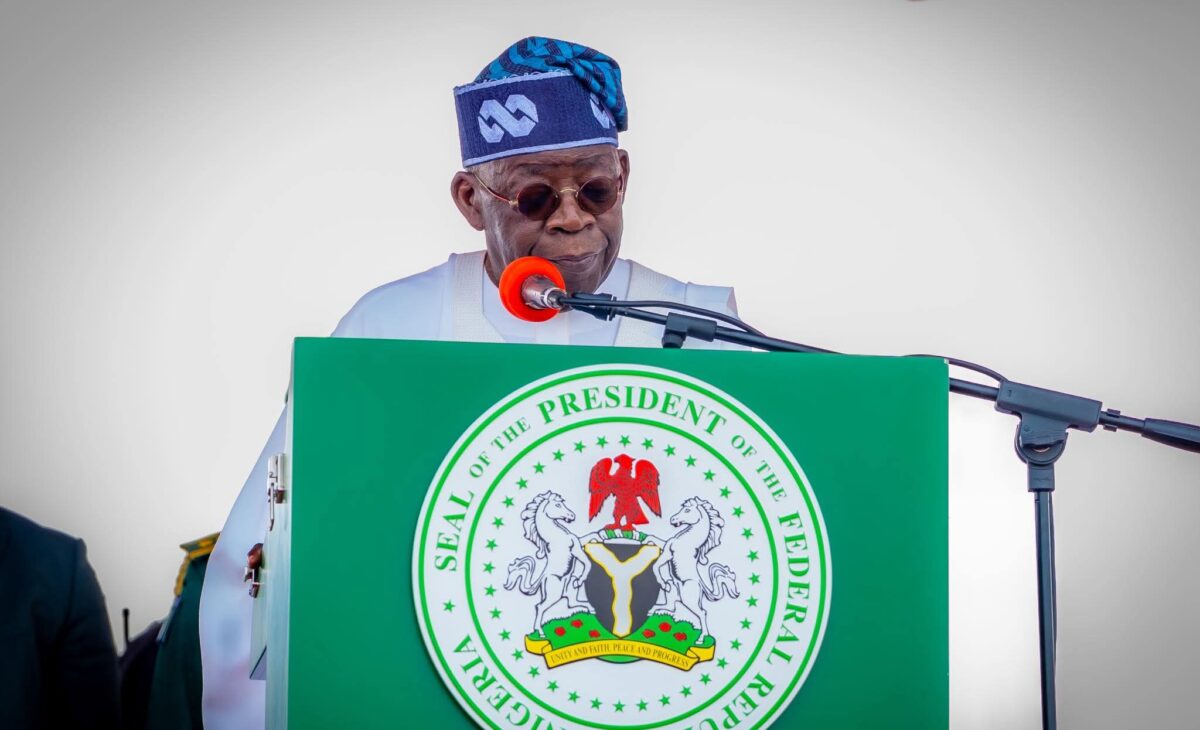
Tinubu inaugurates presidential committee on national policing bill
“The constitution amendment bill establishes the framework for dual policing, but it does not operationalise it. That work is left to the national policing bill,” he said.
Africa
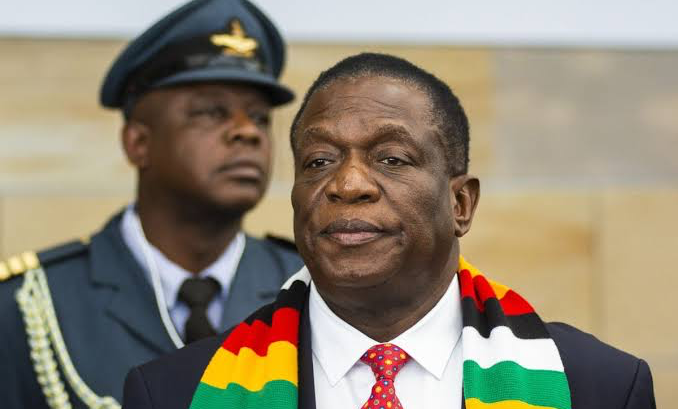
Zimbabwean president signs constitutional change extending time in power
83-year-old Zimbabwean President Emmerson Mnangagwa signed a constitutional amendment extending his stay in office.


