

After demanding bigger federal allocation, Niger governor bans alcohol in Suleja, other FCT suburbs

Governor of Niger State, Muhammed Bago, has banned alcohol in Suleja and eight other local governments sharing blurred boundaries with suburbs of the Federal Capital Territory (FCT).
The ban will take effect on January 1, as announced in a statement on Monday by Ibrahim Mohammed, the secretary of the state’s Liquor and Licencing Board.
“The law establishing the board has the mandate to control the activities of all liquor vendors in the state.
“Nine local government areas were on the first schedule of the prohibited areas with Suleja among them, and as such, the board will ensure strict compliance with the law,” he said. “We are calling on all vendors to abide by the relevant extant laws establishing the board.”
The statement added that beer joints that have previously done business within Minna, the state capital, would be served with “relocation letters to move outside the city to within an eight-kilometre radius of the post office in the state.”
Revenue in the Nigerian beer market is estimated to be around $5.2 billion and is expected to grow annually by 12.86 per cent, according to data by Statista.
The ban comes after the governor began eyeing other sources of revenue to combat poverty and displacement that currently ravages the state.
Most notably, Mr Bago asked the federal government to begin paying a 13 per cent derivation to Niger in recognition of the national importance of several power infrastructures and dams that the state hosts.
“We will take the federal government to the Supreme Court unless the 13 per cent derivation from our land, water, air, grass, and everything given to us is paid, “ said Mr Bago.
He added, “We need 13 per cent derivation for water supplied to the Delta. Our people are ravaged and displaced year in, year out because of the flow of water from the Niger to the Delta.”

We have recently deactivated our website's comment provider in favour of other channels of distribution and commentary. We encourage you to join the conversation on our stories via our Facebook, Twitter and other social media pages.

More from Peoples Gazette

Agriculture
FG tasks ECOWAS on leveraging financing strategies for agroecology
The federal government has urged stakeholders in the agriculture and finance sectors in the West Africa region to leverage financing strategies to enhance agroecology practices

Politics
Katsina youths pledge to deliver over 2 million votes to Atiku
“Katsina State is Atiku’s political base because it is his second home.”

Education
Gov. Uzodimma inaugurates 6,030 teachers, 345 non-teaching staff in Imo
The governor said the recruitment was designed to address the acute shortage of teachers.
NationWide
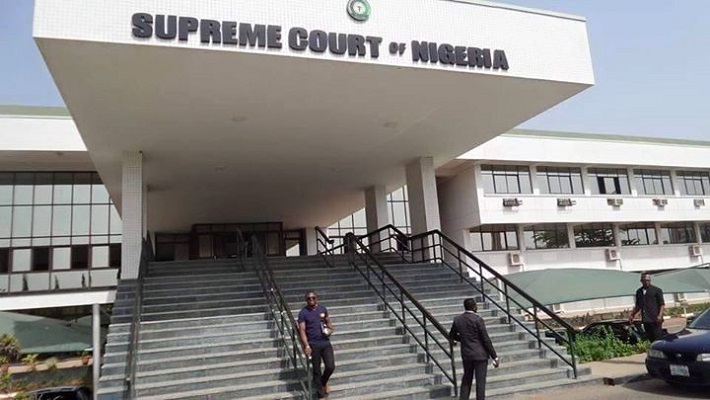
Supreme Court upholds INEC appeal, validates Electoral Act provisions on party primaries
Justice Mohammed Umar had, on May 5, initially dismissed the ZLP’s suit for lacking merit.

States
Army arrests two soldiers over alleged ammunition racketeering
Troops recovered four mobile phones, two empty magazines, an ATM card, a motorcycle and other items.
Heading 4
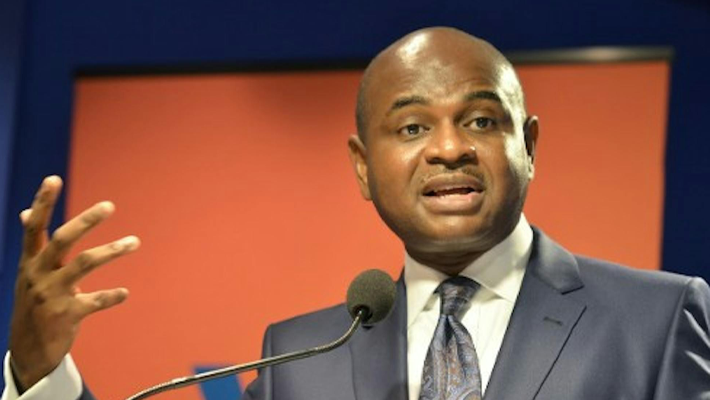
Moghalu rejects Atiku’s campaign council appointment, says he’s quit partisan politics
Mr Abubakar unveiled his council on Thursday, listing Mr Moghalu as a member of its policy team.

Heading 2
Jigawa establishes 135 learning spaces for out-of-school children
He said that 270 facilitators and 20 supervisors had been engaged to provide learning opportunities for children.

Economy
Lagos: Eti-Osa council awards N50 million business grants to 150 residents
Ms Adetoro said the beneficiaries included traders, artisans, small business owners, women, youths and vulnerable residents.


