


Naira steady at N1,900 per dollar after EFCC raid on BDC; Binance, Coinbase shutdown
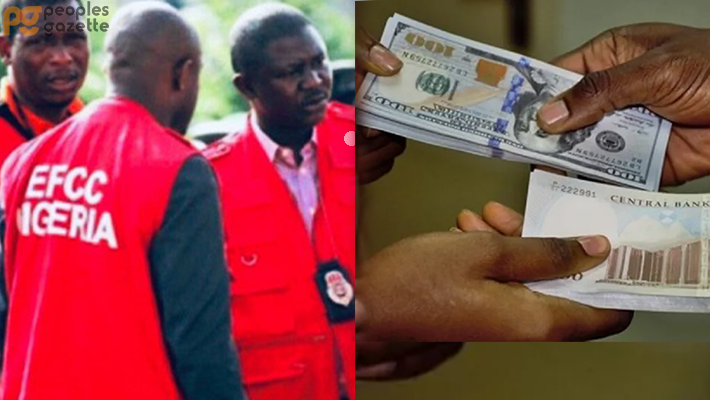
Despite EFCC’s nationwide raid on bureau de change operators and the federal government’s ban on Binance and another cryptocurrency platform in Nigeria, the naira steadied at N1,900 per the U.S. dollar on Friday.
The naira plunged into a swift freefall in the past few days until Nigerian authorities stepped in to halt its dramatic fall. But in the last couple of days the currency steadied at N1,900 to a dollar amid concerns it would crumble to N2,000 per dollar by the weekend.
With EFCC’s nationwide raid on BDC operators and ban on Binance and another cryptocurrency exchange platform, the naira made some gains on Wednesday, trading for N1,600 to a dollar due to panic selling in the market.
But less than 24 hours later, the naira dipped back to N1,900 to a dollar on Thursday.
Binance, the world’s largest cryptocurrency trade platform, confirmed the blockage of its website and other cryptocurrency exchange platforms to Nigerian users.
The blocking of the Binance website by the Nigerian authorities, though not officially announced, was mooted by presidential spokesperson Bayo Onanuga on Wednesday, while many pro-Tinubu X users celebrated the ban, claiming it is already helping the naira recover its lost value.
Though the naira had been on a downward trend against the dollar before Mr Tinubu assumed office last May, the naira’s freefall accelerated following the floating of the currency.
In September, the naira exchanged at N1,000 to one dollar at the parallel market. This historic dip spotlighted the weakness of Mr Tinubu’s efforts to manage the national currency amid runaway inflation.
In July, the Association of Nigerian Licensed Customs Agents (ANLCA) complained that floating the nation’s currency had caused a drop in vehicle importation in the nation’s ports.
The currency fell to N1,520.123 to a dollar on January 31, according to Naira Rates.
This is against the currency’s depreciation to N1,482.75 per dollar recorded in the official foreign exchange market on January 30, amounting to a N38 depreciation for the naira under 24 hours.
The fall made it the first time after the COVID-19 pandemic that the official exchange rate was higher than the parallel market exchange rate, which traded at N1,470 per dollar from N1,425 on January 29.
The monetary policy of President Bola Tinubu’s government played a huge role in the further downward slide of the naira after he floated the currency.
Mr Tinubu’s petrol subsidy removal and collapsing of multiple foreign exchange windows into the single Importer and Exporter, or I&E window, drastically depreciated the naira’s value by 98 per cent, a report by the Price Water Coopers stated.
The top global business advisory audit firm said in its report ‘Nigeria’s Economic Outlook: Seven Trends That Will Shape Nigerian Economy in 2024’ that Mr Tinubu implemented policies that had the domino effect of devaluing the naira by nearly 100 per cent but appealed to foreign investors as the move was projected to improve the economy in 2024.
On September 26, the naira witnessed an unprecedented historical low, dipping to N1000 against the U.S. dollar. Since then, the currency has lost 17 per cent of its value.
The persistent decline of the naira is a source of concern and a spotlight on the challenges associated with President Bola Tinubu’s fiscal policies.
Despite the far-reaching consequences, including inflation and diminished economic purchasing power, Mr Tinubu has undertaken what his cabinet refers to as strategic moves, such as the petrol subsidy removal, which was met with resistance and scepticism but reflects an attempt to reduce the government’s financial burden and promote a more market-driven economy as well as the decision to adopt a clean float foreign exchange management.

We have recently deactivated our website's comment provider in favour of other channels of distribution and commentary. We encourage you to join the conversation on our stories via our Facebook, Twitter and other social media pages.

More from Peoples Gazette

Agriculture
FG tasks ECOWAS on leveraging financing strategies for agroecology
The federal government has urged stakeholders in the agriculture and finance sectors in the West Africa region to leverage financing strategies to enhance agroecology practices

Politics
Katsina youths pledge to deliver over 2 million votes to Atiku
“Katsina State is Atiku’s political base because it is his second home.”
Health
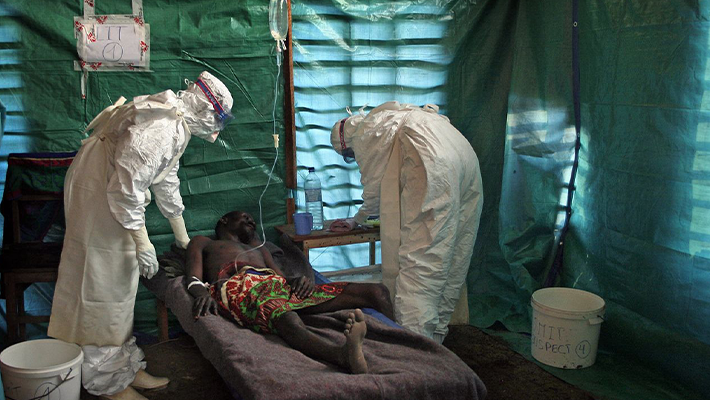
Response must outpace spread of Ebola, says UN relief chief
The UN has warned that the global response to Ebola must urgently outpace the virus as deaths in the Democratic Republic of the Congo approach 3,000.
Health
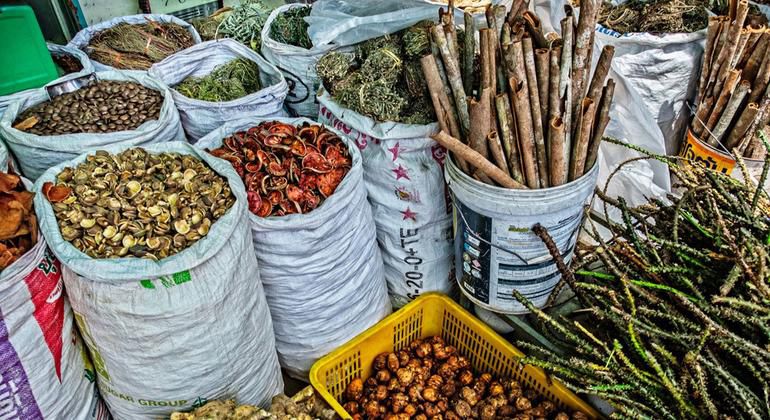
Nigeria urged to increase research funding for traditional medicine
Andrew Uloko of the College of Health Sciences, Bayero University, has called for increased investment in research and development to transform Africa’s traditional medicine.

Rights
WARDC urges reinstatement of Lagos abortion, pregnancy policy
WARDC has urged the Lagos government to reinstate the suspended safe termination of pregnancy guideline to curb preventable maternal deaths.

Africa
Africa must own genomic data, AI tools for public health, experts say
The expert said the lack of comprehensive genomic datasets should not stop African researchers from starting the process.

Economy
Kano assembly passes bill to establish economic planning, development council
The Kano State House of Assembly on Monday passed a bill into law to establish the Kano State Economic Planning and Development Council.
States
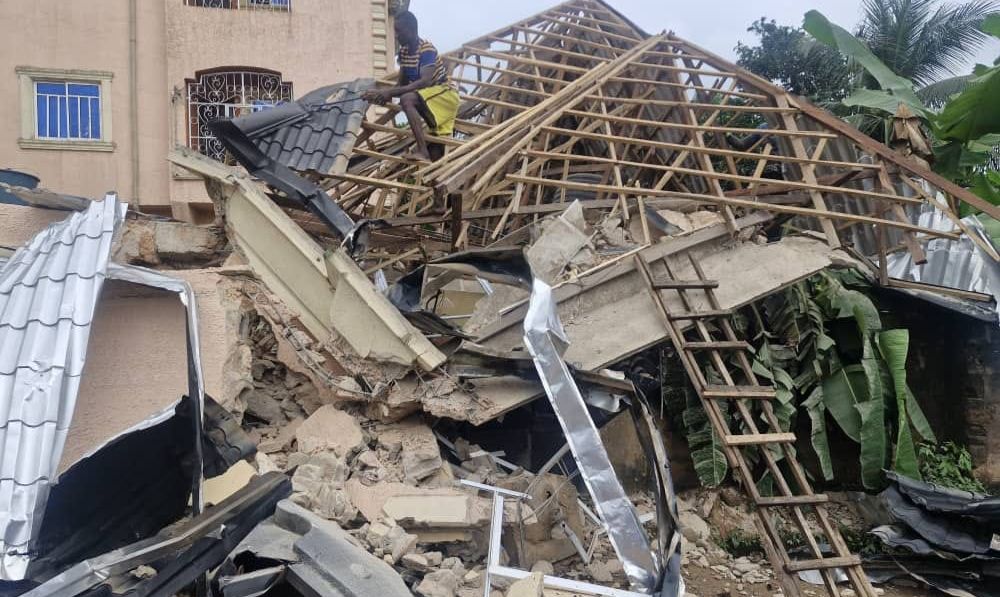
Two-storey building collapses in Anambra
“The building was poorly constructed. It was built without the requisite approval of the ministry,” said the Anambra government.


