

No one should die of malaria in Africa: WHO

No one should die of malaria in Africa because malaria is preventable and treatable, Akpaka Kalu of the World Health Organisation, African Region (WHO-Afro), said on Thursday.
Mr Kalu stated this as the world marks 2024 World Malaria Day. He said the number of deaths from malaria every year in Africa was an indictment of our health systems and leadership.
“No one should die from malaria in Africa; indeed, every single malaria death is a death too many because malaria is preventable and treatable. The death of many people – children and pregnant women from malaria every year in Africa is an indictment of our health systems and leadership.
“It shows failure to tackle malaria effectively and sustenance efforts and progress made at its elimination,’’ Mr Kalu explained.
Malaria is an acute febrile illness caused by Plasmodium parasites, which are spread to people through the bites of infected female Anopheles mosquitoes. He also said though some progress had been made in the fight against the malaria scourge, there were also some challenges.
“We made progress between 2000 and 2015, and since 2015, the progress has stagnated for various reasons. In the last two years, it seems like we’re facing reversals in the gains that we’ve already made, and the reasons are many,” he stated.
He said the declining coverage of preventive interventions was one of the core challenges.
“Interventions like bed nets, indoor spraying, and other preventive technologies include preventive chemotherapy and giving medicines to people in certain geographical areas to prevent bouts of malaria,” Mr Kalu said.
(NAN)

We have recently deactivated our website's comment provider in favour of other channels of distribution and commentary. We encourage you to join the conversation on our stories via our Facebook, Twitter and other social media pages.

More from Peoples Gazette

States
Independence: NBA urges Nigerians to expect better future
The NBA said that ordinary Nigerians should be deriving benefit from the subsidy removal rather than hardship.

Agriculture
FG tasks ECOWAS on leveraging financing strategies for agroecology
The federal government has urged stakeholders in the agriculture and finance sectors in the West Africa region to leverage financing strategies to enhance agroecology practices

Politics
Katsina youths pledge to deliver over 2 million votes to Atiku
“Katsina State is Atiku’s political base because it is his second home.”
Abuja
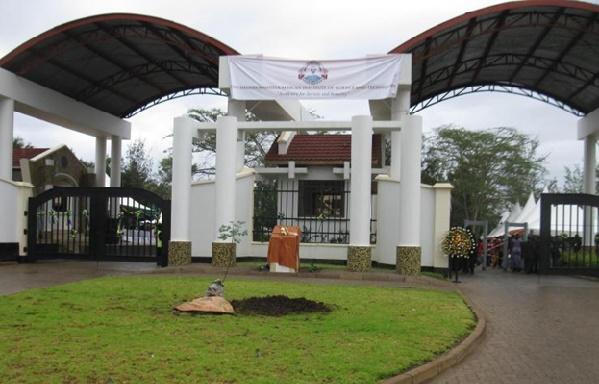
AUST hosts 5MW solar project as experts chart renewable energy roadmap
Azikiwe Onwualu, the vice-chancellor of AUST, says the institution has been selected to host a five-megawatt solar project on campus.
Heading 1
Amnesty condemns four-year prison sentence for Nigerian journalist Farida Isiak
Amnesty International has condemned the arrest and four-year prison sentence imposed on Farida Isiak, a 23-year-old journalist with Nagarta Radio in Kaduna.

Economy
Multinational bank Barclays to fire 5,000 workers to reduce costs, says AI creating efficiency
Barclays has announced plans to cut 5,000 jobs globally, representing about five per cent of its total workforce. One thousand workers already sacked.

Anti-Corruption
EFCC arraigns lovers over alleged N36 million Moniepoint transfer fraud in Benin
The anti-graft agency, in a statement on Wednesday, said the lovers were arraigned on seven counts of cybercrime, conspiracy, and stealing.
States
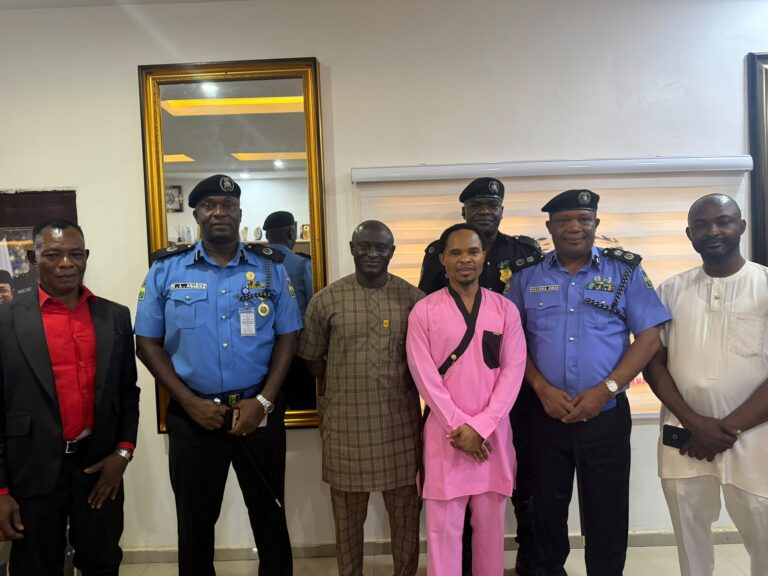
Anambra: Police reaffirm commitment to religious, traditional institutions
The police command in Anambra reaffirmed its commitment to sustained engagement with religious leaders, traditional institutions, community leaders and other critical partners.
Health
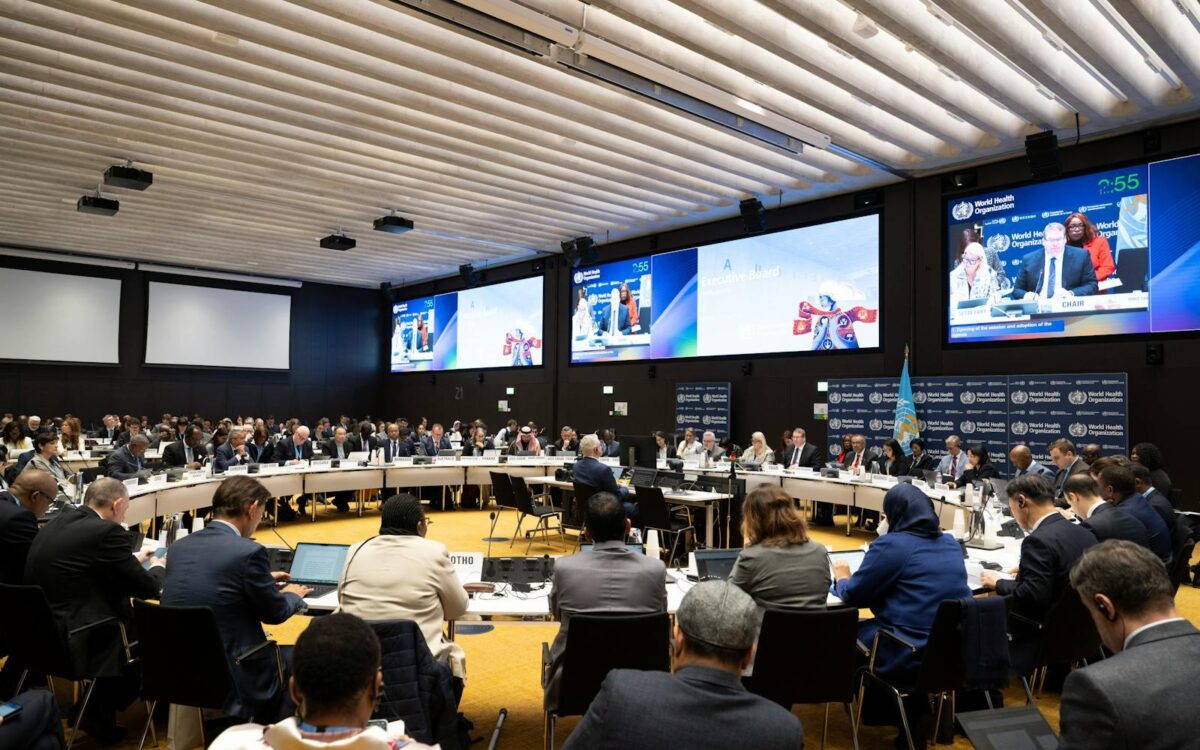
Non-communicable diseases account for three-quarters of deaths worldwide: WHO
Non-communicable diseases account for three-quarters of deaths worldwide but affect different population groups in different ways, a WHO study showed.


