

UNICEF says four of five children in Africa can’t read, understand simple text

The United Nations Children’s Fund (UNICEF) said massive investments in basic education for African children are required to help the continent realise its long-term transformation agenda.
Etleza Kadili, UNICEF regional director for Eastern and Southern Africa, said in a statement in Nairobi, the Kenyan capital, ahead of the Day of the African Child on Sunday.
It said that education financing on the continent remains dismal and that less than one in five countries has dedicated 20 per cent of their public budgets to enhancing foundational skills for their children.
“To ensure prosperity in Africa, we urgently need to see a continental revolution where commitments are turned into concrete action so children can attain the foundational skills necessary to progress to higher forms of education,” UNICEF said.
The theme of the 2024 Day of the African Child, observed annually on June 16, will be “Education for all children in Africa: the time is now,” underscoring the urgency to realise universal childhood literacy in the continent.
UNICEF said that despite its role in building human capital to propel Africa’s growth, education financing on the continent has slackened, preventing millions of children from acquiring the basic literacy and skills that they require to thrive.
According to UNICEF, despite significant efforts by African governments over the last decade to boost primary and secondary school enrolment, schools continue to lack basic amenities, are overcrowded, and have insufficient teachers.
The UN agency noted that four out of every five African children aged 10 are unable to read and understand simple written text, highlighting the continent’s dismal learning outcomes.
UNICEF estimates that about $183 billion is required annually to support children’s education in Africa and achieve the Sustainable Development Goal on education.
However, available resources currently stand at $106 billion, leaving a financing gap of over 40 per cent.
The agency further noted that African governments spend around two per cent of their education budgets on pre-primary education, while 20 per cent is allocated to tertiary learning.
(Xinhua/NAN)

We have recently deactivated our website's comment provider in favour of other channels of distribution and commentary. We encourage you to join the conversation on our stories via our Facebook, Twitter and other social media pages.

More from Peoples Gazette

States
Independence: NBA urges Nigerians to expect better future
The NBA said that ordinary Nigerians should be deriving benefit from the subsidy removal rather than hardship.

Agriculture
FG tasks ECOWAS on leveraging financing strategies for agroecology
The federal government has urged stakeholders in the agriculture and finance sectors in the West Africa region to leverage financing strategies to enhance agroecology practices

Politics
Katsina youths pledge to deliver over 2 million votes to Atiku
“Katsina State is Atiku’s political base because it is his second home.”

World
Tanzanian Athuman Omar jailed 40 months for defrauding Dallas-based credit union
Mr Omar exploited his years-long relationship with the former CEO of the Dallas-based credit union and co-conspirator, Jonathan Salcedo.
World
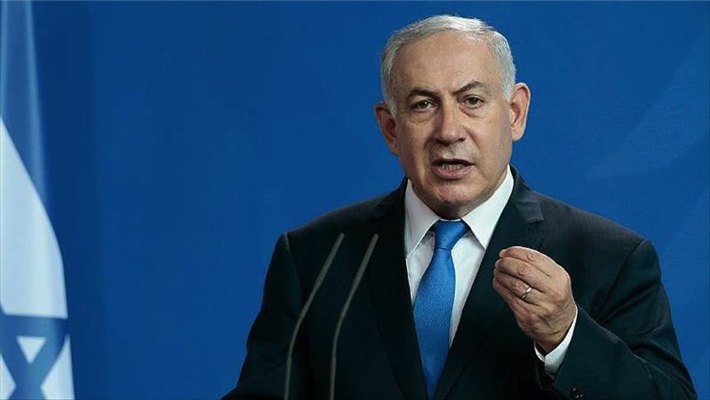
Flydubai pilot who attempted to crash plane ‘underwent Islamist radical indoctrination,’ Israeli PM says
Mr Netanyahu also said the pilot identified as an Omani citizen was apparently suicidal because he called out “kill me.”
World
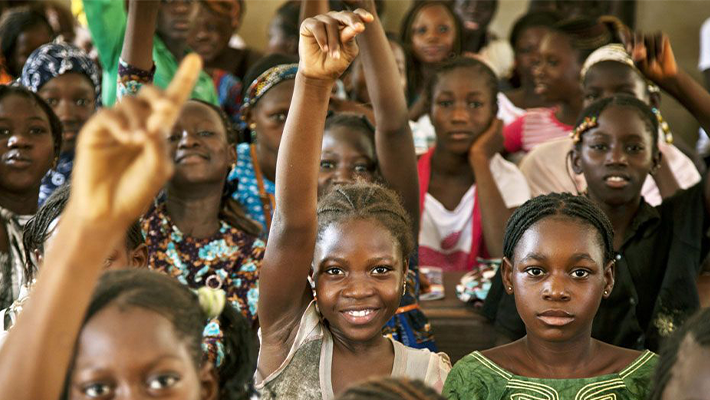
5.8 million refugee children out of school globally in 2025: UNHCR
UNHCR noted refugee tertiary enrolment reached a record 11 per cent in 2025, up from nine per cent in 2024.
Faith
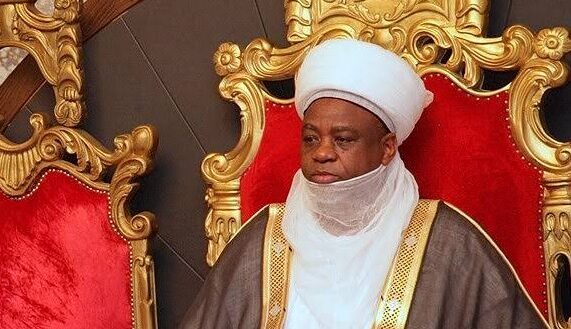
Sultan urges Muslims to practise freely, avoid imposing beliefs on others
The Sultan said Muslims had important roles to play in addressing challenges confronting the country and the world.
States
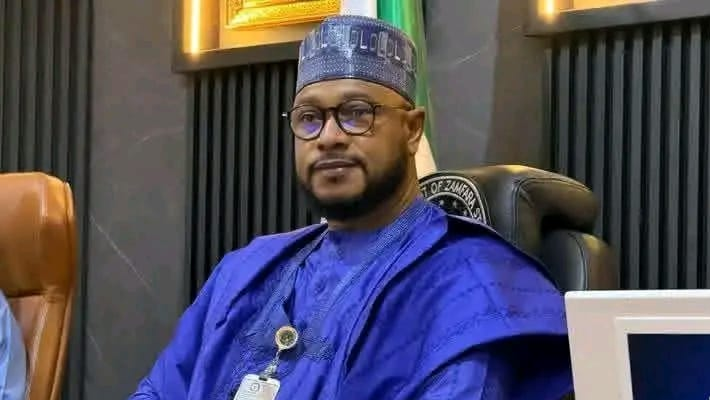
Zamfara gov. vows to confront insecurity head-on
Mr Lawal assured that his government was confronting each challenge head-on.
Faith
No aspirant is Messiah; don’t drag Jesus into politics, CAN cautions politicians
Mr Okoh reaffirmed CAN’s commitment to remain a non-partisan moral voice.


