

Immunisation: Number of ‘zero-dose’ children in Africa twice higher than rest of world
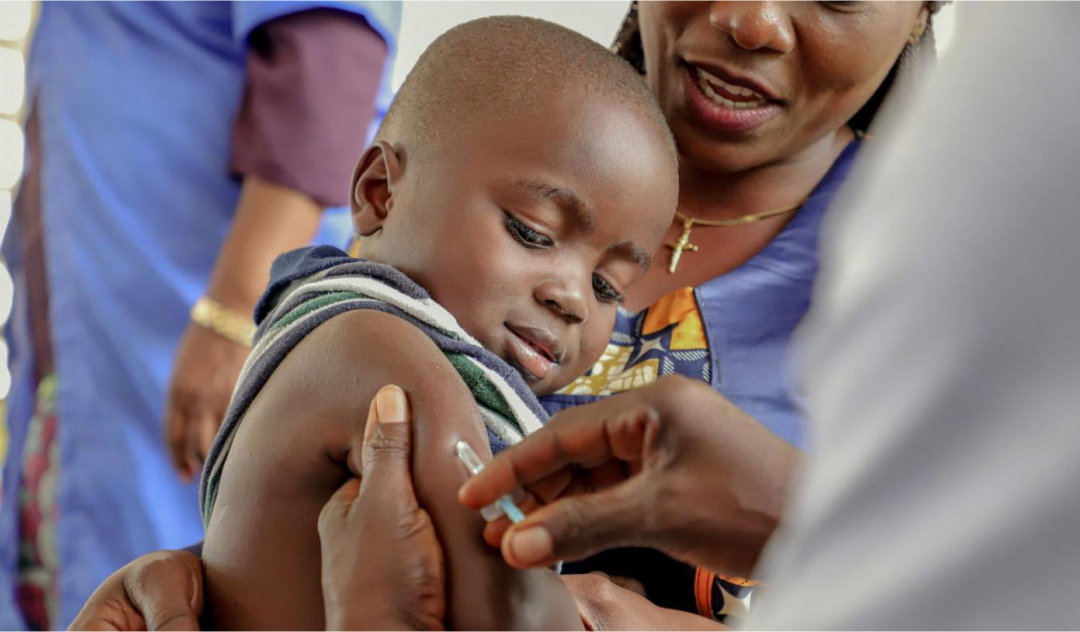
The number of “zero-dose” children in African countries is twice as high as the rest of the world (18.7% compared to 6.9%)
The number of children who have never had a routine vaccination – often referred to as “zero-dose” children – is three times higher in conflict zones (22.7%) than in the rest of the world (7.1%), Save the Children said today. The child rights organisation also said that the number of “zero-dose” children in African countries is twice as high as the rest of the world (18.7% compared to 6.9%).
This new analysis of UN data comes ahead of a major global conference in Paris this week that will ask for ambitious funding for immunisations and launch a new initiative to boost vaccine manufacturing and production across Africa.
The analysis should serve as a rallying cry to donors to ramp up funding for Gavi, the global Vaccine Alliance, said Save the Children, particularly those who have committed to spending 0.7% of national budgets on overseas development assistance. Save the Children has a partnership with Gavi, to strengthen vaccination efforts and health services to reach zero-dose children in marginalised and hard-to-reach communities.
Every child has the right to vaccines as part of their right to health, Save the Children said. Children living in conflict zones are already at a huge health disadvantage, with displacement disrupting their access to services and contributing to spread of disease.
When the conflict broke out in Sudan last year, 30-year-old Hadia*i, a mother of five, was forced to flee from her home in Khartoum to River Nile state, having given birth to her youngest child just two days before.
Hadia* said: “I was scared about my children missing their immunisations, even more than the displacement itself.
“I know that missing immunisations can make children sick, they can get polio, measles, diphtheria, and other diseases that can impact their growth or even cause death.”
Save the Children said that with an ambitious increase in funding, Gavi will be able to invest in the strengthening of health systems and delivery of more vaccines for children, with a focus on children who are “zero-dose” and those who are under-immunised, as well as those in conflict zones or places at high risk to climate change impacts. Nearly half the countries eligible for Gavi’s funding are classified as fragile and conflict-affected states.
Inger Ashing, CEO of Save the Children International said: “Every child has the right to survive, yet a shocking number are dying from preventable diseases because they lack access to immunisations. These are often children who have already lost so much through unbearable experiences of conflict and displacement.
“Not only is it possible to make sure that no child is left behind, it is critical. We need to see governments, the private sector and partners prioritise the lives and wellbeing of children and fully fund and support Gavi.
“We also welcome the launch of the African Vaccine Manufacturing Accelerator (AVMA), which will boost the capacity and autonomy of African countries to produce their own vaccines. This will open the doors for so many children across the continent to be protected against preventable diseases.”

We have recently deactivated our website's comment provider in favour of other channels of distribution and commentary. We encourage you to join the conversation on our stories via our Facebook, Twitter and other social media pages.

More from Peoples Gazette

Agriculture
FG tasks ECOWAS on leveraging financing strategies for agroecology
The federal government has urged stakeholders in the agriculture and finance sectors in the West Africa region to leverage financing strategies to enhance agroecology practices

Politics
Katsina youths pledge to deliver over 2 million votes to Atiku
“Katsina State is Atiku’s political base because it is his second home.”

NationWide
Adeniyi seeks expansion of NCS sport as customs police beat MMIA 1-0
The tournament was held under the theme “Fit to Serve, United to Lead.”

Heading 5
NiMet predicts three-day rain, thunderstorms nationwide from Monday
NiMet warned that strong winds could precede thunderstorms.
States
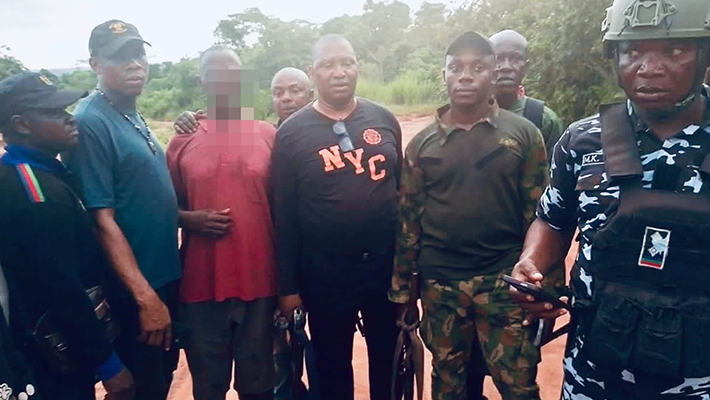
Security agents rescue couple from Edo kidnappers’ den
The police spokesperson noted that the victims were rescued unhurt from their captors.

States
Gunmen invade Niger village, abduct two women, three children
The source stated that the attackers operated for almost hours.
Hot news Home top
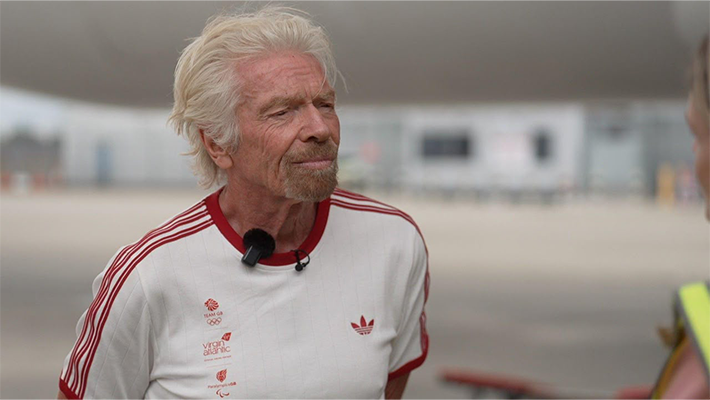
Virgin founder Richard Branson blames ‘foolish leaders’ fighting needless wars for rising airfares
Mr Branson stated, “The Iran conflict was completely unnecessary.”
States
Residents lament insecurity in Katsina community
Residents of Funtua, Katsina State, have expressed concern over renewed bandit attacks and prolonged gunfire in parts of the town


