

Somalia expects 3.1% GDP growth, rebounding from drought, commodity price shocks

Somalia’s economy is expected to grow at 3.1 percent in 2023 up from 2.4 percent in 2022. This rebound in growth was driven by improved weather conditions and policy reforms instituted by the government to reach the Heavily Indebted Poor Countries (HIPC) Completion Point.
The latest Somalia Economic Update notes that the medium-term growth outlook will remain modest, with growth projected at 3.7 percent in 2024 and 3.9 percent in 2025.
While this growth faces significant risks, including persistent climatic shocks, security threats, and global economic shocks, the Federal Government of Somalia (FGS) continues to maintain broad-based fiscal stability. Inflationary pressures have also eased, driven by declining food prices, improved weather, and easing of global commodity prices.
“Addressing climate challenges and risks is essential for sustainable and resilient economic growth,” said Kristina Svensson, World Bank Country Manager for Somalia. “There is an urgent need for the Government of Somalia to support sustained and long-term growth, anchored on macroeconomic stability, broad-based structural reforms, and longer-term resilience to climate change at the whole-of-economy level.”
Growth overall has been supported by favorable rains in 2023 that led to a stronger-than-expected rebound of the agriculture sector. Similarly, the livestock sector also recovered quickly, with livestock exports increasing significantly.
The FGS also registered robust growth in domestic revenue, although it is still too low to finance increasing expenditure needs. Additionally, improved performance by Somalia’s banks signals increasing confidence in the financial sector.
The special focus section of this economic update examines how climate action can help drive economic growth for Somalia. The report finds that Somalia needs to get ahead of the impacts of acute climate disasters – investing in resilience and preparedness, rather than spending on humanitarian aid continuing to consume the bulk of external assistance.
This will require investments in disaster risk management, social protection, and more resilient rural livelihood systems.
The report projects modest medium-term growth outlook anchored on continued political stability and reduced security risks. The government will also need to gradually scale-up its public spending in energy, transportation, education, and health sectors to maintain this growth path. Outlook prospects would also depend on macroeconomic stability and government policies.
External trade will continue to improve, assuming favorable weather conditions continue, and the global environment strengthens. Financial sector reforms and related institutional capacity building are expected to continue increasing confidence, integrity, and financial deepening.
Reforms to tax policies and administration are expected to mobilize additional domestic revenue. The wage bill, together with goods and services expenditures, will continue to drive spending, both accounting for two-thirds of the budget in 2024. Higher domestic revenues will make room for greater spending on public investment and social services. The government will need to keep inflation low, and cushion household incomes.
“Somalia’s economic outlook remains positive, with economic growth set to accelerate, albeit at modest pace,” said Abdoulaye Ouedraogo, World Bank Economist and author of the report. ”Completing the HIPC process and accession the to East African Community should boost investors’ confidence and support regional integration. Economic reforms and increased public investment should also boost investor confidence and attract foreign direct investment, encouraging increased broad-based private sector activity and investment.”
The report offers some policy recommendations for the post-HIPC Environment. Budget deficits should be manageable through prudent fiscal policy -strengthening domestic resource mobilization, containing the wage bill and security spending, and advancing public finance management reforms.
It is imperative for the government to further strengthen debt management legislation and functions including prioritizing concessional financing sources.
Advancing discussions on federalism can help to improve the stability of the state, which can enhance the overall environment for doing business and strengthenen public systems to deliver services. Over-reliance on external grants can put macroeconomic stability at risk, especially if there are any shocks in the flow of grants. There are substantial risks of re-accumulating debt arrears.

We have recently deactivated our website's comment provider in favour of other channels of distribution and commentary. We encourage you to join the conversation on our stories via our Facebook, Twitter and other social media pages.

More from Peoples Gazette

States
Independence: NBA urges Nigerians to expect better future
The NBA said that ordinary Nigerians should be deriving benefit from the subsidy removal rather than hardship.

Agriculture
FG tasks ECOWAS on leveraging financing strategies for agroecology
The federal government has urged stakeholders in the agriculture and finance sectors in the West Africa region to leverage financing strategies to enhance agroecology practices

Politics
Katsina youths pledge to deliver over 2 million votes to Atiku
“Katsina State is Atiku’s political base because it is his second home.”
Uncategorized
TCN restores Kainji-Birnin Kebbi 330kV transmission line
The company said power went off in the affected areas on September 7.
States
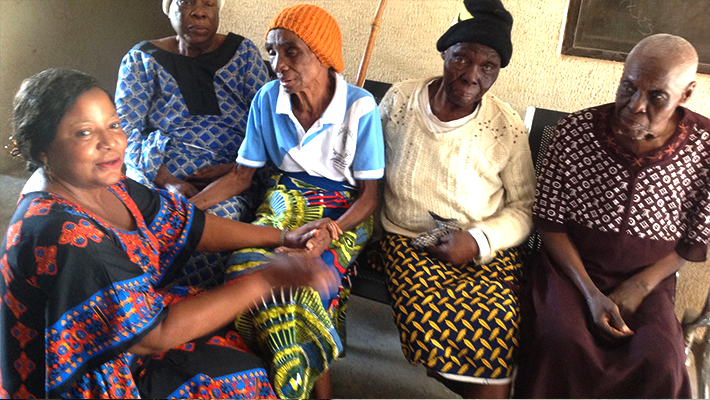
Group seeks better healthcare, social support for elderly Nigerians
Mr Oluwadamilare said growing old in Nigeria was becoming increasingly difficult due to economic hardship.
States
INEC urges Sokoto voters to maintain confidence in electoral process
INEC reminded registered voters that collection of Permanent Voter Cards (PVCs) would begin on October 9.
States
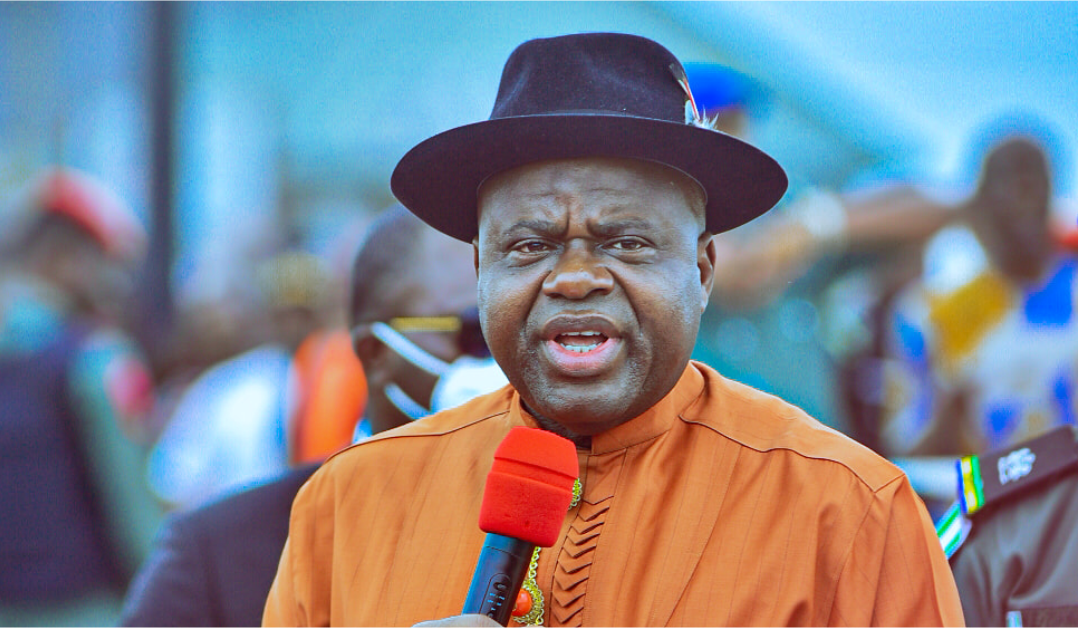
Bayelsa governor urges Nigerians to renew commitment to unity, development
The governor congratulated the people of Bayelsa at home and abroad.
NationWide
Dangote Foundation gives Nigerian students free shares to build new generation of investors
The initiative forms part of ADF’s broader commitment to empowering young Nigerians.

States
Police, security agencies launch operation to rescue abducted corps members in Imo
The incident occurred on Thursday at about 6:30 p.m. along the Owerri-Onitsha Road, near Umunoha.


