

How to stay safe amid new wave of cholera across Nigeria

Lagos, the bustling epicentre of commerce in Nigeria, faced a significant disruption on June 9, 2024, when the state government declared a cholera outbreak.
As noted by the Emergency Operations Centre (EOC) on June 12, 324 suspected cholera cases had been reported in the state, including 15 people who died and 40 who were discharged. Within the last 24 hours, the number of deaths doubled from 15 to over 30, while infections jumped to 401.
This sudden spike has induced widespread concern and highlighted the urgent need for effective measures to control the spread of this deadly disease. The outbreak in Lagos is just a snapshot of a larger health crisis bedevilling the nation.
What is cholera?
Cholera is an acute diarrheal infection caused by ingesting food or water contaminated with the bacterium Vibrio cholerae. It spreads primarily through contaminated water or food and can lead to severe dehydration and death if left untreated. This disease has a long history, with pandemics recorded since the early 19th century.
The most recent, the seventh pandemic, began in Indonesia in 1961 and has since affected many parts of the world. Despite efforts to control cholera, the disease continues to be a major public health problem in Nigeria, with outbreaks estimated to cause three to five million cases annually, and 100,000 to 150,000 deaths every year.
Nationwide outbreak
In addition to Lagos, several other states across Nigeria have reported cholera cases, marking one of the most severe outbreaks in recent history. As of June 2nd, 2024, the Nigeria Centre for Disease Control and Prevention (NCDC) reported a total of 882 suspected cases, including 16 deaths, from 30 states. Particularly vulnerable are children under the age of five, followed by those in the five to 15-year age group.
Bayelsa accounts for 50 per cent of all suspected cases, with other significant reports from Zamfara, Abia, Bauchi, Cross River, Ebonyi, Delta, Katsina, Imo, Nasarawa, Ondo, and Kano.
Cholera is not new to Nigeria. The country has faced several significant outbreaks over the past decades. In 2010, a major outbreak resulted in over 4,000 cases and more than 300 deaths. Another severe outbreak occurred in 2014, followed by more than 42,000 cases and over 830 deaths in 2018. The outbreak in 2021 was one of the worst, with nearly 100,000 cases and over 3,000 deaths, illustrating the recurring threat this disease poses to public health.
Safe water
To combat cholera and ensure safety during an outbreak, access to safe drinking water is paramount. Medical experts recommend boiling water for at least one minute before drinking, using chlorine tablets or other appropriate disinfectants to treat water, or drinking commercially bottled water, if available, to be effective measures.
Sanitation
Maintaining proper sanitation is equally crucial; frequent handwashing with soap and clean water, especially before eating and after using the toilet, and regularly cleaning and disinfecting surfaces, particularly in food preparation areas, can help prevent the spread of the disease.
Food
Safe food practices are also critical for cholera prevention. Ensuring food is cooked thoroughly, especially seafood, and avoiding the consumption of raw or undercooked foods, particularly shellfish and vegetables, are critical steps. Experts also suggest washing fruits and vegetables with clean, treated water further reduces the risk of infection.
Note symptoms
Recognising the symptoms of cholera is vital for prompt treatment. Early symptoms include watery diarrhoea, vomiting, and leg cramps, which can quickly lead to rapid dehydration and shock. According to the Mayo Clinic, administering oral rehydration salts (ORS) at the first sign of symptoms and seeking immediate medical attention can save lives.

We have recently deactivated our website's comment provider in favour of other channels of distribution and commentary. We encourage you to join the conversation on our stories via our Facebook, Twitter and other social media pages.

More from Peoples Gazette

States
Independence: NBA urges Nigerians to expect better future
The NBA said that ordinary Nigerians should be deriving benefit from the subsidy removal rather than hardship.

Agriculture
FG tasks ECOWAS on leveraging financing strategies for agroecology
The federal government has urged stakeholders in the agriculture and finance sectors in the West Africa region to leverage financing strategies to enhance agroecology practices

Politics
Katsina youths pledge to deliver over 2 million votes to Atiku
“Katsina State is Atiku’s political base because it is his second home.”

Heading 2
Human remains discovered along Switzerland-Germany border
Investigators suspect that it was a homicide.
States
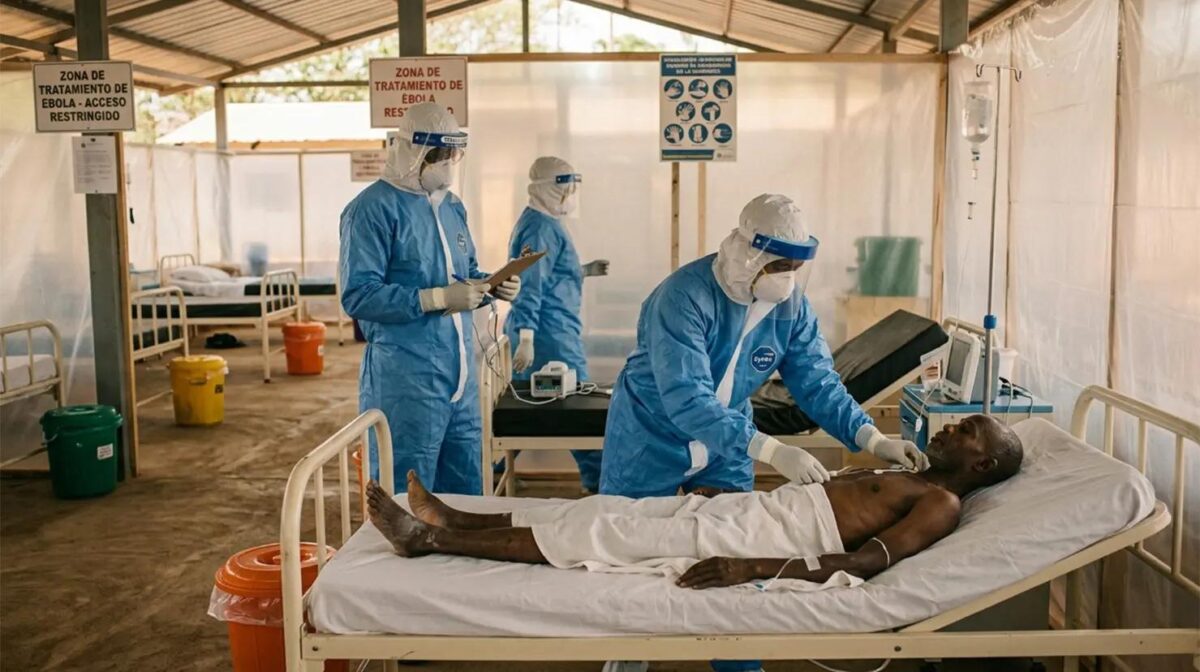
Ebola: Cross River trains 34 health workers
The commissioner said no Ebola case had been reported in the state at the time of the training.

Heading 4
Russia committed crimes against humanity in Ukraine, UN panel says
The UN panel said Russia violated the rights of recruits through deceptive employment practices.

World
Anthropic warns of catastrophic AI risks to humanity ahead of IPO
According to the company, these are risks, not inevitable outcomes.

Diaspora
U.S. forces capture wanted Lagos Yahoo Boy Adetunji Abudu six years after fleeing
The 34-year-old Lagos native was arrested on Monday at Logan Airport in Boston.

Sport
Ballon d’Or releases 2026 top 10 finalists as football fans await winner
The winner will emerge from the 10 finalists tonight.


