

Nigeria needs N348 trillion to bridge infrastructure gap: ICRC DG

Michael Ohiani, director-general of the Infrastructure Concession Regulatory Commission (ICRC), says Nigeria needs N348 trillion to address its infrastructure deficit.
He said this during a presentation at the 2nd Quarter 2024 Nigeria Public Private Partnership Network (NPPN) meeting in Minna on Wednesday.
The theme of the meeting was ‘Using PPPs in Infrastructure Delivery in the States to Ensure National Food Security and Economic Growth’.
Mr Ohiani disclosed that going by the medium-term development plan, the country required over N348.1 trillion in investment in infrastructure.
He said the private sector would be able to provide a chunk of this investment to the tune of about N298.3 trillion, while the sub-national governments could provide N49.7 trillion.
“This goes to show the importance of the private sector in infrastructure development,” Mr Ohiani said.
He added that the revised national infrastructure investment master plan for the next 23 years envisaged that the country would require $2.2 trillion to bridge the infrastructure deficit in the country.
Mr Ohiani said the various options available through which the government can raise funds are borrowing, further repatriation of national funds, and seeking further foreign intervention.
Other options, he added, were to raise more bonds, Sukuk, tax credit schemes, and public-private partnerships (PPP), both through solicited and unsolicited proposals.
In his keynote address, George Akume, Secretary to the Government of the Federation (SGF), commended state governors for embracing the benefits and opportunities of PPP as an alternative procurement method.
Mr Akume, represented by Simon Tyungu, a director in his office, said the meeting was timely given the infrastructure deficit in the country and the government’s efforts to invest in renewal and modernization.
In his remarks, Governor Umaru Bago said his administration was focusing on farming, thereby taking advantage of the vast arable land in the state.
Mr Bago, represented by Abubakar Salisu, Head of Service, added that the state would continue to partner with the federal government and international agencies with respect to agricultural development.
(NAN)

We have recently deactivated our website's comment provider in favour of other channels of distribution and commentary. We encourage you to join the conversation on our stories via our Facebook, Twitter and other social media pages.

More from Peoples Gazette

Agriculture
FG tasks ECOWAS on leveraging financing strategies for agroecology
The federal government has urged stakeholders in the agriculture and finance sectors in the West Africa region to leverage financing strategies to enhance agroecology practices

Politics
Katsina youths pledge to deliver over 2 million votes to Atiku
“Katsina State is Atiku’s political base because it is his second home.”

Heading 1
Canadian authorities charged two men for defrauding international students $126,000; hunt fleeing suspect
CBSA officers executed search warrants at the suspects’ homes and businesses, where electronic devices containing the evidence of their fraudulent activities were recovered.

Hot news Home top
Spain beat Belgium 2-1, face France in World Cup semi-finals Tuesday
The European champions move on to the semi-finals against back-to-back finalists France on Tuesday at Dallas Stadium.

NationWide
Focus on criminals, stop targeting journalists, CPJ tells Nigerian security agencies
She also pointed out harsh bail requirements imposed on journalists, describing Mr Ugagbe’s bail conditions as “utterly punitive.”

Education
Tinubu upgrades Nasarawa poly to university
Mr Onanuga said the approval followed a proposal by Senator Ahmed Aliyu, who represents the Nasarawa West Senatorial District.
Lagos
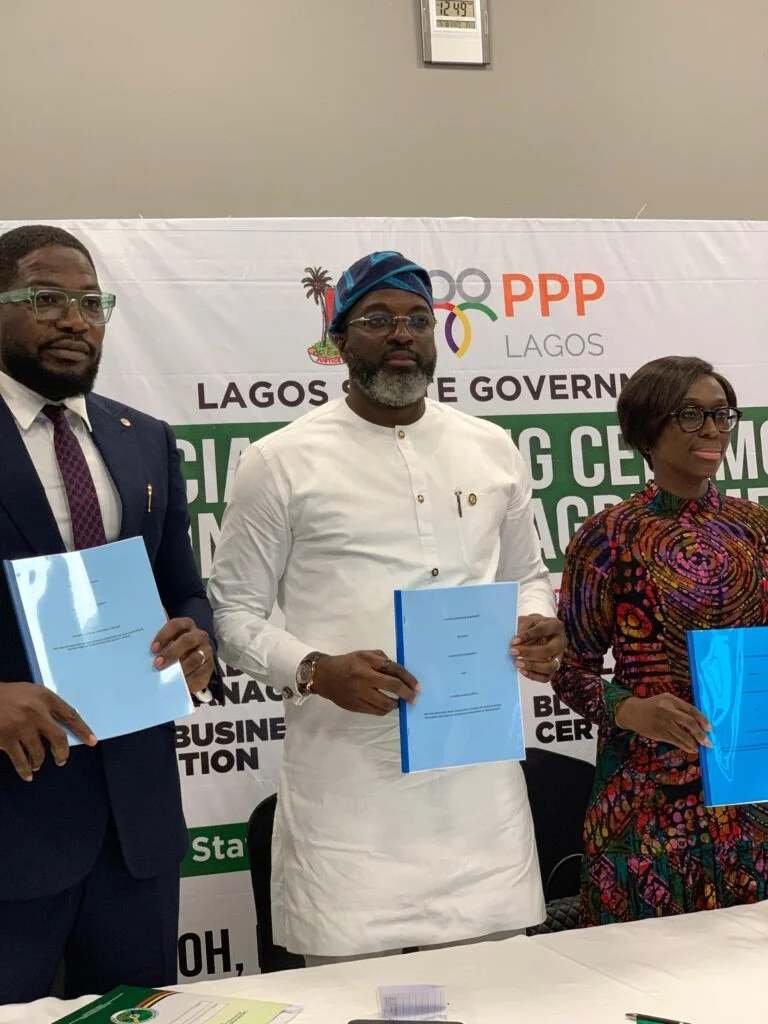
Lagos govt signs agreement to automate vehicle registration
Mr Osiyemi said the initiative would simplify and speed up vehicle registration by eliminating cumbersome processes.

States
Three rescued, one body recovered as building collapses in Kano
The PRO attributed the collapse to the use of poor and substandard building materials.


