

WHO releases clinical treatment guideline for tobacco cessation

The World Health Organisation has recommended a comprehensive set of tobacco cessation interventions, including behavioural support delivered by health-care providers, in its first guidelines on tobacco cessation.
Other interventions include digital cessation and pharmacological treatments, the world health body said in a statement on Tuesday.
It said the guideline focused on helping the more than 750 million tobacco users who want to quit all forms of tobacco.
“The recommendations are relevant for all adults seeking to quit various tobacco products, including cigarettes, waterpipes, smokeless tobacco products, cigars, roll-your-own tobacco, and Heated Tobacco Products (HTPs),’’ it stated.
WHO director-general Tedros Ghebreyesus said that the guideline marked a crucial milestone in the global battle against the dangerous products.
“It empowers countries with the essential tools to effectively support individuals in quitting tobacco and alleviate the global burden of tobacco-related diseases,” Mr Ghebreyesus said.
According to him, more than 60 per cent of the world’s 1.25 billion tobacco users, more than 750 million people, wish to quit, yet 70 per cent lack access to effective cessation services.
He said that the gap existed due to challenges faced by health systems, including resource limitations.
Rüdiger Krech, director of health promotion at WHO, said the immense struggle that people face when trying to quit smoking cannot be overstated.
“We need to deeply appreciate the strength it takes and the suffering endured by individuals and their loved ones to overcome this addiction.
“These guidelines are designed to help communities and governments provide the best possible support and assistance for those on this challenging journey,” Mr Krech said.
He said that combining pharmacotherapy with behavioural interventions significantly increased quitting success rates.
According to him, countries are encouraged to provide these treatments at no or reduced cost to improve accessibility, particularly in low- and middle-income countries.
(NAN)

We have recently deactivated our website's comment provider in favour of other channels of distribution and commentary. We encourage you to join the conversation on our stories via our Facebook, Twitter and other social media pages.

More from Peoples Gazette

States
Independence: NBA urges Nigerians to expect better future
The NBA said that ordinary Nigerians should be deriving benefit from the subsidy removal rather than hardship.

Agriculture
FG tasks ECOWAS on leveraging financing strategies for agroecology
The federal government has urged stakeholders in the agriculture and finance sectors in the West Africa region to leverage financing strategies to enhance agroecology practices

Politics
Katsina youths pledge to deliver over 2 million votes to Atiku
“Katsina State is Atiku’s political base because it is his second home.”
Abuja
FCT NLC suspends indefinite strike
The NLC chair said the suspension was agreed upon in the spirit of social dialogue and industrial harmony.

Health
Ebola: Africa CDC seeks urgent international support for Nigeria
Mr Kaseya said Africa CDC had begun mobilising support for Nigeria while intensifying response efforts in DRC, Congo and Kenya.

States
Police raid kidnappers’ hideouts in Nasarawa forests
Mr Jidda added that police personnel were already operating in the forests and would extend the operation to other forested areas.

States
Delta assembly approves state police
The majority leader said the proposed amendment would strengthen the protection of lives and property through a dual policing system.
States
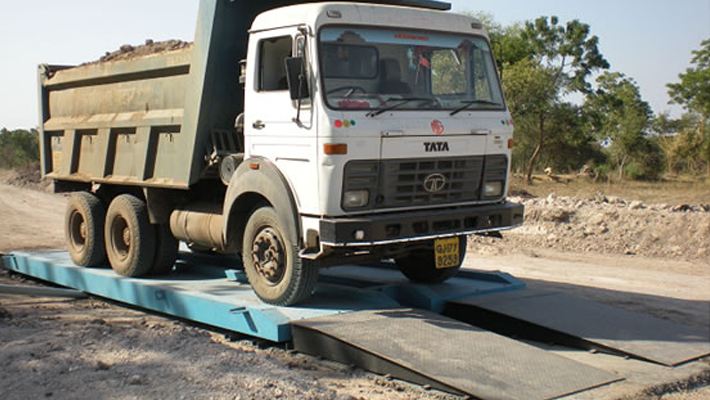
Truck Accidents: FG mulls weighbridges on Lagos-Ibadan Expressway
Mr Dare attributed some road accidents to reckless driving, poor vehicle maintenance, and the removal of public infrastructure.

Anti-Corruption
EFCC secures conviction of ex-banker over unauthorised withdrawal of ₦1 million
Mr Nweke pleaded not guilty to the charge, prompting a full trial.


