

High food prices make us depressed, Nigerians lament
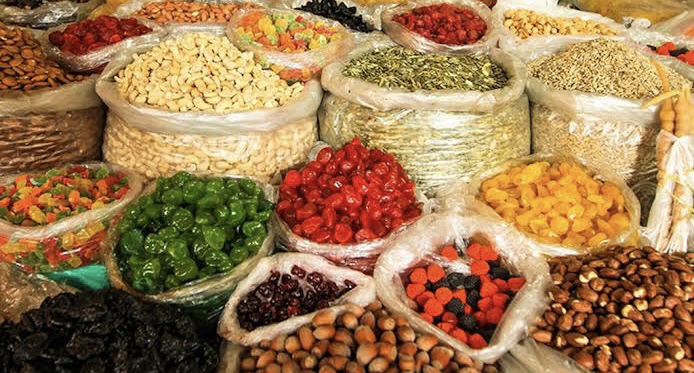
Some families and experts in the food industry on Sunday shared their experiences with the relentless surge in food prices, which has imposed a significant burden on Nigerian households and businesses alike.
Nigeria’s inflation rate increased from 33.95 per cent in May 2024 to 34.19 per cent in June 2024, according to the National Bureau of Statistics (NBS) in its recently issued June Consumer Price Index (CPI) report.
On a year-on-year basis, the headline inflation rate was 11.40 per cent higher compared to June 2023, which recorded a rate of 22.79 per cent.
Feyisayo Omon, a mother of five and a civil servant, said her family no longer eats three square meals daily and struggles to maintain a balanced diet.
“If I tell you that we were a family that could get up any time of the day and be sure that food is in the kitchen, you wouldn’t believe me. There was always something to eat, something to snack on.
“But now, our fridge is almost useless, and our gas rarely feels the pot nowadays. It’s been tough. The price of food in the market makes me depressed,” Ms Omon said.
Maria Ose, a mother of two, complained about the high cost of food and its impact on adequately caring for her children.
“When I go to the market to buy things for cooking, I shed tears because this is not how things used to be. Even if I carry N100,000 to the market, I don’t think I can buy something tangible for the family to eat for a month,” Ms Ose lamented.
Yemi Olarenwaju, a teacher and father of five, said his family now eats once daily to survive the harsh times. Living on a salary of N95,000, he ensures they eat one heavily balanced meal midday to cut expenses.
“We can’t eat food for luxury at this time. So, we eat to survive, to fuel us to work. If things probably get better, we can move to eating more than once,” Mr Olarenwaju explained.
Fatimah Eniola, a cake maker in Lagos, decried low customer patronage in her business.
“People see eating out as a luxury now. The rising cost of food prices has made food service expensive,” she said, noting increased customer complaints as if they were oblivious to the country’s situation.
Ms Eniola hoped the government would intervene to help the food industry and struggling households.
Joy Onwumere, a food vendor, said they struggle to do their costing and budgeting.
“Imagine if you had a client and the price of the food they ordered triples in less than three days. What will you do? It’s terrible,” Ms Onwumere said.
She narrated her experience of setbacks and how her customer base had dropped drastically due to price increases.
“Two weeks ago, I catered for an event for 400 people, and I didn’t make a profit because the cost of ingredients had risen significantly.
“Now, I can’t even tell clients to increase the money because I have given my quotation,” she explained.
(NAN)

We have recently deactivated our website's comment provider in favour of other channels of distribution and commentary. We encourage you to join the conversation on our stories via our Facebook, Twitter and other social media pages.

More from Peoples Gazette

Agriculture
FG tasks ECOWAS on leveraging financing strategies for agroecology
The federal government has urged stakeholders in the agriculture and finance sectors in the West Africa region to leverage financing strategies to enhance agroecology practices

Politics
Katsina youths pledge to deliver over 2 million votes to Atiku
“Katsina State is Atiku’s political base because it is his second home.”

States
Bayelsa deputy governor urges women to champion social change
He said women played critical roles in nation-building.

States
NOA, NOSDRA partner on environmental safety in Kwara
Mr Williams commended NOA for seeking closer collaboration in environmental management.

States
WHO commends Ebonyi as FGM drops to 20.4%
Mr Ogbueli described the decline as a major milestone in efforts to end FGM.

Economy
FG empowers nearly 300,000 Nigerians through skills programmes: Minister
Mrs Oduwole saidthat the ministry was implementing policies to strengthen manufacturing and agro-processing, among others.

States
Osun 2026: APC candidate promises violence-free election, warns against intimidation
Mr Oyebamiji expressed optimism about winning the election.

NationWide
CJN seeks strong legal protection for maritime sector
Mrs Kekere-Ekun described maritime law as one of the principal pillars supporting global commerce.


