

Northerners crucial to success of raging #EndHunger protests

Nigeria finds itself in the throes of a multifaceted crisis as violent protests erupt across the country, particularly in the North, amid skyrocketing inflation and a crippling energy shortage.
The protests, openly discussed and anticipated for weeks, provided ample time for all sides to prepare. Yet despite this forewarning, the situation escalated to violence, culminating in tragic loss of life.
If an expected and somewhat choreographed protest could unfold this way, it raises alarming questions about the potential for future spontaneous unrest, especially given that this particular protest arguably did not provide the cathartic release the populace needed.
The underlying sentiments of anger, frustration, and despair remain unaddressed, leaving room for unplanned and perhaps even more volatile protests in the future.
The unrest, which has claimed at least 30 lives across the country and has had a particularly intense nature up North, lays bare the deep-seated frustrations of a populace pushed to the brink by economic hardship and government inaction. In Zamfara State, the residence of former Governor Bello Matawalle became a target of angry protesters attempting to vandalise his home.
Senator Sahabi Yau’s property didn’t fare better, with valuable possessions destroyed and vehicles vandalised. The wave of discontent also reached Yobe State, where demonstrators attacked the House of Representatives member Nazifi Sani Gumel’s mansion, accusing him of neglecting his constituents. Even former President Muhammadu Buhari’s home saw crowds gather to voice their dissatisfaction with the nation’s current state.
Amnesty International said security forces were responsible for the deaths of the 13 people in Niger State, Maiduguri, which is the capital of Borno State, and Kaduna, all in the North. In states like Borno, Kaduna, Kano, and Katsina, protesters have not only taken to the streets but have also rallied under Russian flags, calling for a military takeover.
At the heart of this unrest lies an alarming economic crisis. The cost of living in Nigeria has surged dramatically, rendering the recently adjusted minimum wage woefully inadequate. A basic basket of groceries that once cost between ₦9,800 and ₦12,500 a few months ago now exceeds ₦24,920—a staggering increase of nearly 250 per cent. Similar price escalations have occurred for essential items such as rice, sugar, and milk, putting immense financial pressure on households around the country. SBM Intel data shows that the fastest rising prices are all household items. At the risk of sounding alarmist, I daresay Nigeria is experiencing hyperinflation.
A national grid failure during the protests only served as a reminder of how badly the government has failed at even the basics. With electricity generation per capita among the lowest in Africa, Nigerians struggle to work efficiently during the day and then face hot, restless nights without adequate electricity.
With more than 80 million Nigerians tossing and turning in the dark due to poor electricity supply, the danger is clear: a nation of restless sleepers is a recipe for unrest. Sleep-deprived and frustrated, these citizens are not just losing their zzz’s; they’re losing patience.
When millions can’t recharge their minds and bodies, the potential for social upheaval rises, turning quiet discontent into a loud call for change. In a society where sleep is elusive, the consequences can be explosive.
The national grid’s repeated failures—eight times this year alone—have disrupted daily life and caused nightly strife. They have also stifled economic activity, creating a vicious cycle of poverty. The Tinubu administration’s Band A model, prioritising wealthier citizens by providing them with more electricity at inflated prices, deepens inequality and breeds resentment among poorer communities.
This system effectively siphons energy from those already struggling, redistributing it to those who can afford to pay a premium. As tens of millions of Nigerians remain trapped in energy poverty, the gap between the haves and have-nots widens, creating fertile ground for social unrest and raising the risk of resentment and social fissures in an increasingly divided society.
The government’s response to these crises has been woefully inadequate. Instead of implementing substantive reforms in healthcare, agriculture, and energy, the administration has prioritised superficial initiatives such as changing the national anthem. The absence of leadership is particularly glaring in the agricultural sector, where the Minister of Agriculture is scarcely heard from despite the dire food supply situation.
This neglect can be largely attributed to the Tinubu administration’s decision to forgo appointing relevant technocrats in favour of political allies during its ministerial appointments. Consequently, vital sectors like agriculture lack the expert guidance necessary to devise effective solutions, perpetuating the cycle of hardship for well over a hundred million people.
Despite the challenges, there is a glimmer of hope. The intensity of the protests, particularly in the North, may compel the political class to respond to the urgent needs of their constituents. This public pressure could catalyse change, forcing politicians to reconsider their priorities and engage with the populace’s needs.
Historically, the North has been Nigeria’s most influential voting bloc, often playing a decisive role in national elections. For President Tinubu and his allies, placating the North is not just a matter of immediate crisis management but a crucial long-term political strategy. With future elections in mind, the administration cannot afford to alienate this critical voting base.
The attacks on politicians’ homes and properties in states like Zamfara and Yobe serve as a stark warning: the patience of Northern voters is wearing thin, and their loyalty can no longer be taken for granted.
Moreover, the spectre of military intervention looms large in Nigerian politics. A destabilised North could provide a justification for rogue military elements to consider a coup, presenting it as a necessary measure to restore order. The Tinubu administration is undoubtedly aware that widespread unrest, particularly in this crucial region, could make the idea of military intervention more tempting to some factions within the armed forces.
Failure to navigate this challenge effectively could not only cost them crucial votes in future elections but potentially threaten the stability of Nigeria’s democratic system itself.
Nwanze is a partner at SBM Intelligence

We have recently deactivated our website's comment provider in favour of other channels of distribution and commentary. We encourage you to join the conversation on our stories via our Facebook, Twitter and other social media pages.

More from Peoples Gazette

States
Independence: NBA urges Nigerians to expect better future
The NBA said that ordinary Nigerians should be deriving benefit from the subsidy removal rather than hardship.

Agriculture
FG tasks ECOWAS on leveraging financing strategies for agroecology
The federal government has urged stakeholders in the agriculture and finance sectors in the West Africa region to leverage financing strategies to enhance agroecology practices

Politics
Katsina youths pledge to deliver over 2 million votes to Atiku
“Katsina State is Atiku’s political base because it is his second home.”
Education
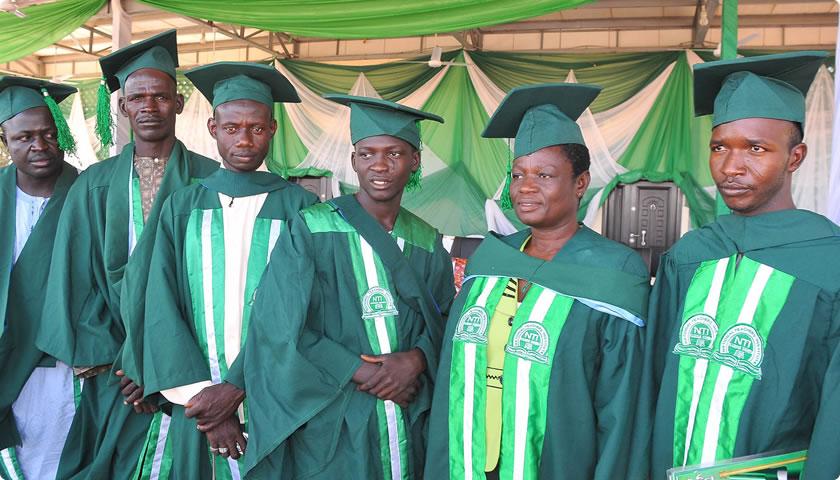
NTI asks students to calm down after FG suspends NCE, degree programmes
NTI advised students to continue following official announcements and stay in contact with their respective study centres for updates on academic activities.

NationWide
CJN Kekere-Ekun swears in 375 judges as members of 2027 election petitions tribunals
Three hundred and seventy-five judges took the oath of office as members of the 2027 election petitions tribunals.

States
Gov Otu woos investors, promises incentives, support for businesses in Cross River
Governor Bassey Otu has called on private-sector investors, assuring them of incentives, an improved business environment, and government support to stimulate economic growth.

States
NDLEA arrests 75 suspects, seizes 16.8 tonnes of illicit drugs in Edo
NDLEA says it arrested 75 suspected drug traffickers in connection with 16.8 tonnes of illicit substances seized and destroyed in October.

World
Nigerian beauty queen arrives in Puerto Rico ahead of Miss Universe 2026
Miss Universe Nigeria 2026 winner Danielle Adewusi has arrived in Puerto Rico to represent Nigeria ahead of the 75th edition of the Miss Universe competition.
Agriculture
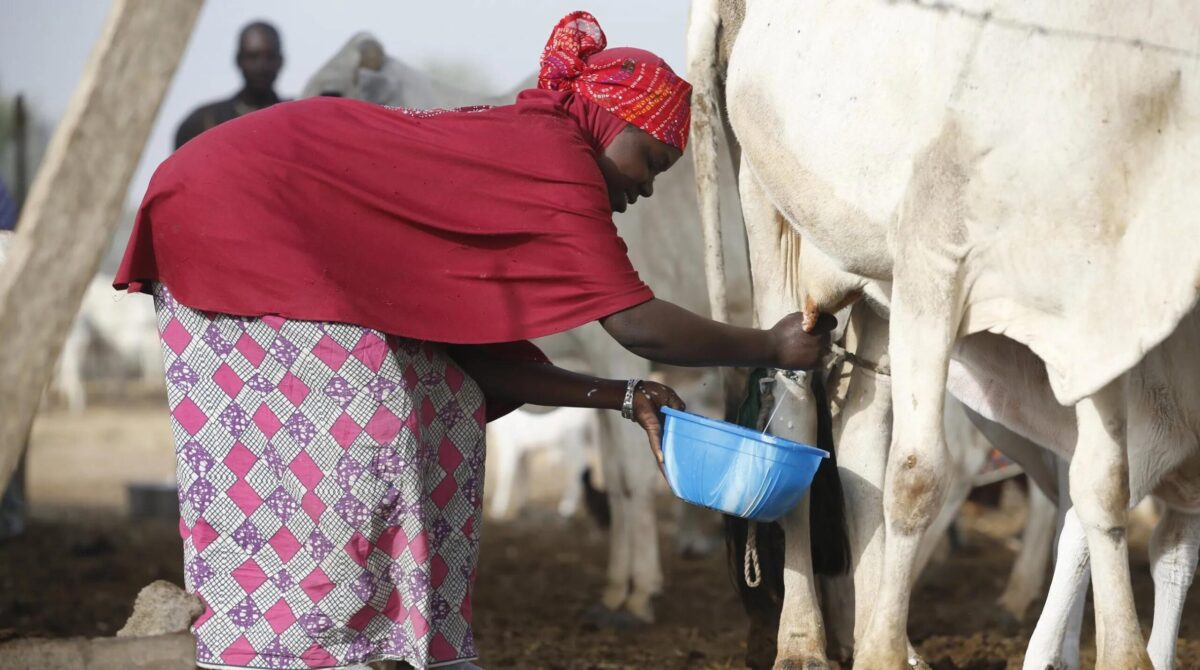
Tinubu govt to save $1.5 billion through local milk production
The government is working with stakeholders to validate a national action plan to boost local milk production and reduce the country’s annual $1.5 billion dairy import bill.


