

Role of citizens in a democracy

During the recent #RejectFinanceBill2024 Kenyan protests, a user on X posted something very important. The post read, “You have to devour the government when it goes astray, be merciless and unforgiving, and be hyper-critical all the time. Being a citizen is a full time job that requires active participation, if you don’t do any of that, you are not a citizen, you are a subject.”
This post succinctly captures everything I feel about the roles of a citizen in a democracy.
Being a citizen of a country is a full-time job, for you to have a working country; you need to work for it every day. You cannot leave the destiny of your country solely in the hands of politicians, even the ones you love and voted for, you have to consistently be on them every day, monitor every policy, praise when you have to, push when you have to, condemn when you have to; you cannot leave the destiny of your country to chance.
In his book, ‘1984,’ George Orwell takes us through the different stages of the death of a country and its citizenry. One of the most memorable quotes in the book on this death is from the protagonist Winston, “The party told you to reject the evidence of your eyes and ears. It was their final and most essential demand… and if all others accepted the lie, which the party imposed, if all records told the same tale, then the lie passed into history and became truth.”
The first and most important stage was to kill the mind and will of the people, remove their ability to question the government, turn the people against themselves, reimagine their reality and constantly feed them the reimagined reality. In a system of government like democracy where the power belongs to the people, once the power is taken away from the people or if the people do not understand the powers that they wield and how to use it, they cannot effectively play their role as citizens. Also, once the media of a country is totally controlled by the government and politicians the citizens of the country are left in the dark; an uninformed and disempowered citizenry cannot do anything for their country. When citizens begin to fear their government and feel that their government is all too big and powerful to be held to account, or when the government feels they do not owe the citizens much because the citizens do not demand for much, then there is not much hope left for such a country.
This is where a robust media as the fourth estate comes into play; the duty of free and ethical journalism is to report the news and hold the government to account. But it becomes a problem when the media has been compromised and are complicit in the mismanagement of a country. If citizens of a country and the media as the fourth estate collude with politicians and refuse to speak up when their country is being steered in the wrong direction by the government then what is the purpose of that democracy? Will it be okay to call that form of government a democracy? Part of the constitutional requirement of being a citizen in a democracy is to actively participate in the democratic process; your responsibilities don’t end at voting for your preferred candidates during an election.
As a citizen your first job is to question everything the government does. It is your duty to protest against government policies that are not good for the collective; it is your duty to critique the government constantly with every slight change that is not good for the collective. Do not do your country the disservice of being a passive citizen in a democracy, your job as a citizen doesn’t end with voting and campaigning for your favourite politician or the best possible candidate, there is so much to be done after the elections are over.
Your voice must be louder than the voice of your government. Your actions must be more decisive, the most badly run countries are countries where the citizens do not understand that the power truly belongs to the people; your government is only as powerful as you let them. This is your lifelong job and a job you must never get tired of doing.
Happy independence anniversary Nigerians.
Kelechi Belinda Udeogu has a PhD in development and political communication.

We have recently deactivated our website's comment provider in favour of other channels of distribution and commentary. We encourage you to join the conversation on our stories via our Facebook, Twitter and other social media pages.

More from Peoples Gazette

Agriculture
FG tasks ECOWAS on leveraging financing strategies for agroecology
The federal government has urged stakeholders in the agriculture and finance sectors in the West Africa region to leverage financing strategies to enhance agroecology practices

Politics
Katsina youths pledge to deliver over 2 million votes to Atiku
“Katsina State is Atiku’s political base because it is his second home.”
Heading 4
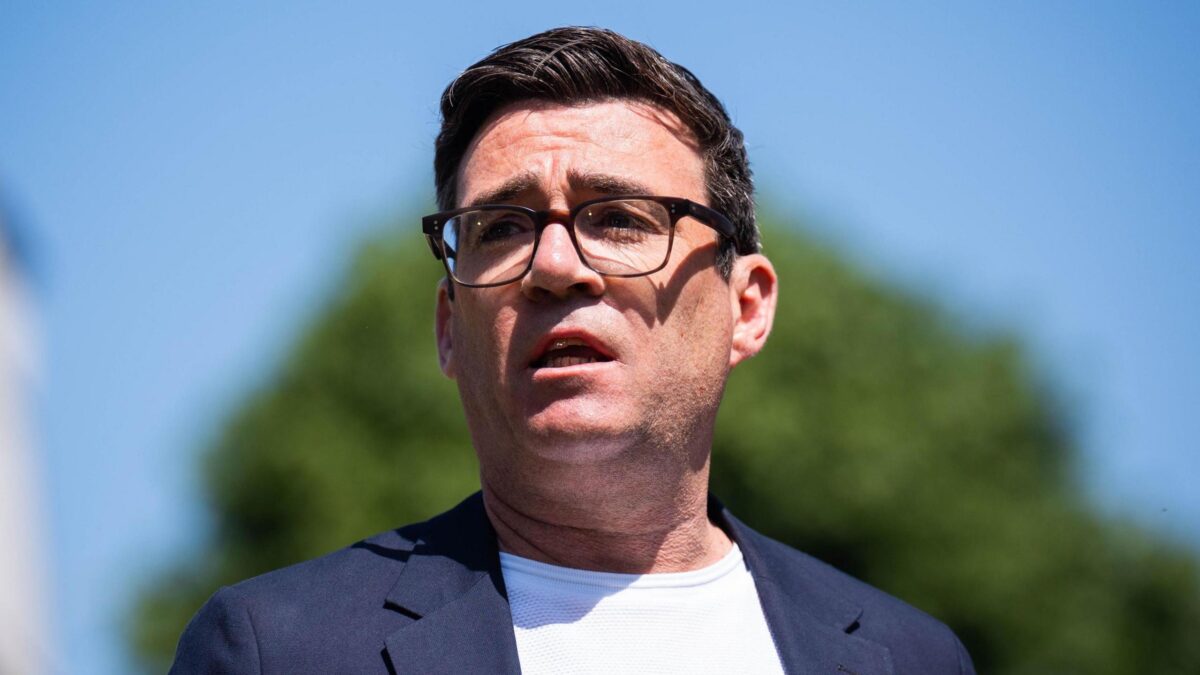
UK women, partners to get two weeks’ bereavement leave after miscarriage from next year
“From April, women and their partners will be entitled to two weeks off after any pregnancy loss,” Mr Burnham said.
Africa
Climate Change: 32 million West Africans may become refugees by 2050, says ECOWAS
ECOWAS says 32 million West Africans risk being displaced from their communities due to climate change.
States
Navy recovers 182,000 litres of suspected stolen crude oil in Rivers
The Nigerian Navy recovered 182,000 litres of suspected stolen crude oil in Rivers.
Economy
Edible oil tanker drivers suspend planned strike
NUEOTDN President Ilias Aperun said the decision followed interventions by the federal government and the State Security Service (SSS).
States
Lagos APC governorship candidate Hamzat rallies voters for 2027
Mr Hamzat expressed concern about declining voter participation, noting that of the 6.2 million registered voters in Lagos in the last election, only about 1.2 million voted.
Economy
NMDPRA begins consultations on anti-competition regulations in petroleum sector
The proposed regulations are designed to address abuse of dominance and promote fair, non-discriminatory access to essential petroleum infrastructure.


