

Niger becomes first African country to eliminate onchocerciasis

Niger’s Minister of Public Health, Population and Social Affairs, Garba Hakimi, officially declared that the country is free of onchocerciasis.
Mr Hakimi expressed gratitude for the efforts made over the past 15 years, which provided the scientific evidence necessary for the disease’s elimination in the country.
On the same day, the World Health Organisation (WHO) congratulated Niger on achieving the standard required to eliminate onchocerciasis.
Casimir Manengu, the resident representative of the WHO, commended Niger’s commitment and leadership that enabled the achievement.
“I congratulate Niger on its dedication to freeing its population from this blinding and stigmatising disease, which causes immense suffering among the poorest communities,” WHO director-general Tedros Ghebreyesus said.
“This success stands as further evidence of the significant progress we have made in the fight against neglected tropical diseases.
“By demonstrating that elimination is possible, it offers hope to other countries still battling onchocerciasis today,” he added.
With this landmark achievement, Niger became the first country in Africa to eradicate this disease, which had particularly impacted populations living near certain waterways.
Niger is recognised as the fifth country in the world, the first in Africa, to have successfully halted the transmission of the parasite Onchocerca volvulus.
The other four countries that have reached this milestone are all located in the Americas: Colombia (2013), Ecuador (2014), Guatemala (2016), and Mexico (2015).
Onchocerciasis is a parasitic tropical disease that affects the skin and eyes. The disease is spread by repeated bites from infected black flies, and it is most common in those who live in remote villages.
It is the second neglected tropical disease to be eliminated in Niger, which was certified to have interrupted the transmission of dracunculiasis in 2013 by the WHO.
(Xinhua/NAN)

We have recently deactivated our website's comment provider in favour of other channels of distribution and commentary. We encourage you to join the conversation on our stories via our Facebook, Twitter and other social media pages.

More from Peoples Gazette

States
Independence: NBA urges Nigerians to expect better future
The NBA said that ordinary Nigerians should be deriving benefit from the subsidy removal rather than hardship.

Agriculture
FG tasks ECOWAS on leveraging financing strategies for agroecology
The federal government has urged stakeholders in the agriculture and finance sectors in the West Africa region to leverage financing strategies to enhance agroecology practices

Politics
Katsina youths pledge to deliver over 2 million votes to Atiku
“Katsina State is Atiku’s political base because it is his second home.”

Heading 5
Police warn Nigerians against online scams, urge protection of personal information
Mr Ezima said the fight against cybercrime required more than arrests and prosecutions.
Heading 2
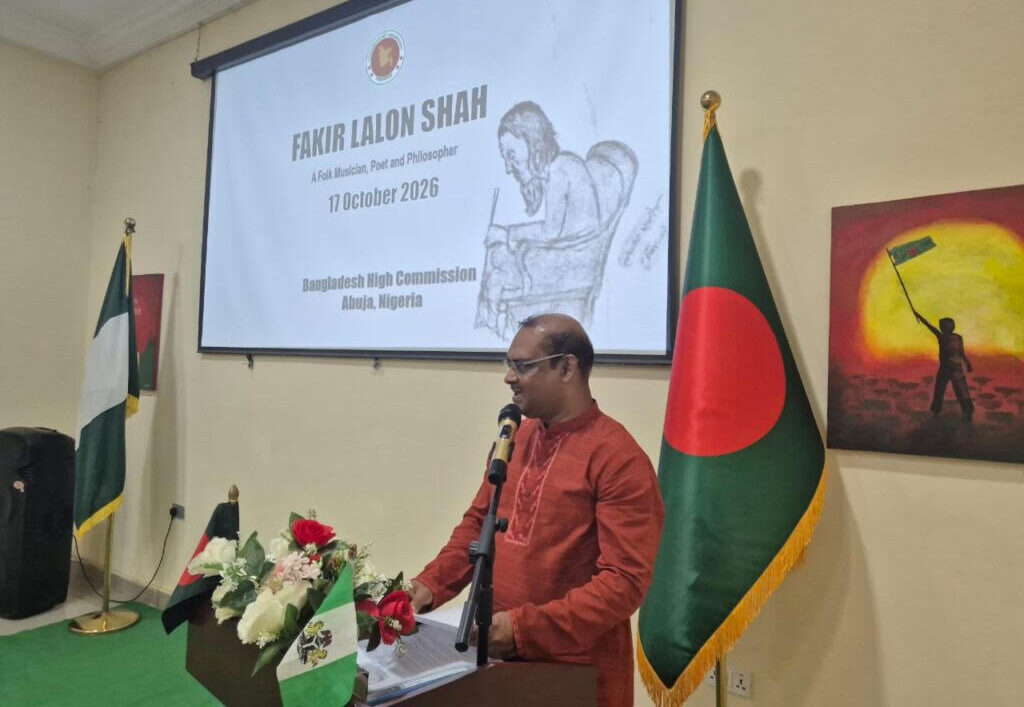
Nigeria, Bangladesh can strengthen cultural ties through music, says envoy
Mr Kabir said Lalon’s emphasis on self-knowledge offered lessons for young people navigating the internet.

NationWide
2027: North will deliver over 70 per cent of votes for Tinubu, Yilwatda says
Mr Yilwatda described the 2027 presidential election as an opportunity to renew Mr Tinubu’s mandate.

Diaspora
Runsewe urges Nigerians in diaspora to respect host countries’ laws
Mr Runsewe said the Netherlands incident was a hangover of Nigerian culture in a foreign land.

Heading 2
Tinubu’s economic reforms yielding results despite doubts: Bagudu
Mr Bagudu described Mr Tinubu as a visionary leader whose decisions demonstrated courage and commitment to national development.
Sport
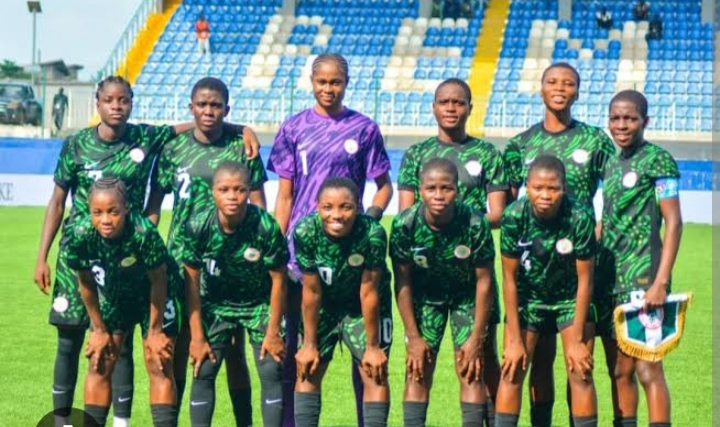
Flamingos lose 2-1 to Poland in FIFA U-17 Women’s World Cup opener
Poland’s Natalia Skrok made it two in the second half when Blanka Zajac, in the 65th minute, crossed into the Nigerian penalty area.


