

NCDC reports decline in Lassa fever cases
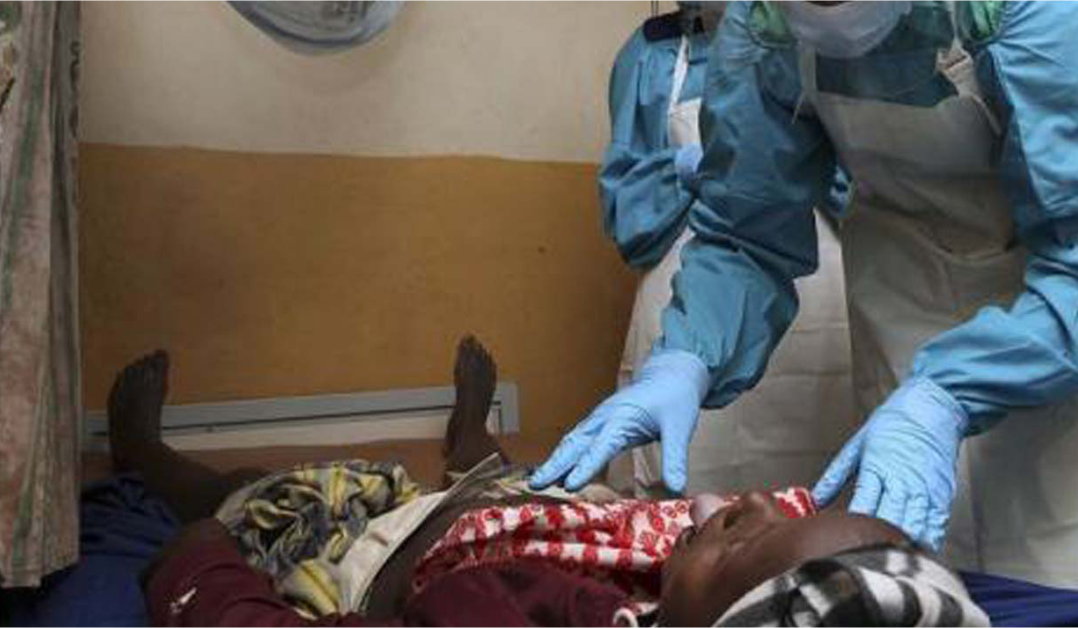
The Nigeria Centre for Disease Control and Prevention (NCDC) has reported a decline in new confirmed Lassa fever cases in its Epidemiological Week 9 2025 report.
The NCDC via its official website on Sunday, said that the fatality rate remained alarmingly high at 18.7 per cent, with 100 deaths recorded so far in 2025.
According to the Lassa Fever Situation Report released by the agency, 29 new cases were confirmed across nine states, a drop from 54 cases recorded in the previous week (Week 8).
It said that the affected states included Ondo, Bauchi, Edo, Taraba, Ebonyi, Plateau, Cross River, Nasarawa, and Enugu.
The NCDC highlighted that 72 per cent of all confirmed cases were reported from just three states—Ondo 31 per cent, Bauchi 24 per cent, and Edo 17 per cent.
It said that these states continued to bear the brunt of the outbreak, raising concerns over the effectiveness of ongoing containment efforts.
Furthermore, it noted that one new healthcare worker was infected in Week 9, bringing the total number of affected health workers in 2025 to 17.
“This underscores the urgent need for better protective measures, adequate supply of personal protective equipment (PPEs), and enhanced infection prevention protocols in hospitals,” it said.
The NCDC outlined several challenges impacting the response to the outbreak, including: “Late presentation of cases, leading to high fatality rates”.
“Poor health-seeking behaviour, attributed to the high cost of Lassa fever treatment and management.
“Poor environmental sanitation conditions in high-burden communities and low awareness about Lassa fever symptoms and preventive measures”.
In response to the outbreak, it said that the National Rapid Response Team (NRRT) had been deployed to Gombe, Nasarawa, and Benue states to provide technical support.
Additionally, the NCDC said it had intensified risk communication efforts and conducted training for healthcare workers in Bauchi, Ebonyi, and Benue states.
The agency said it was also collaborating with international partners such as WHO, MSF Geneva, and Georgetown Global Health Nigeria to improve case management and enhance surveillance.
Comparative data from the NCDC showed that while the number of confirmed cases in 2025 (535 cases as of Week 9) is lower than in 2024 (682 cases during the same period), the fatality rate remains nearly the same (18.7% vs. 18.8%).
“The NCDC continues to advise Nigerians to: “avoid contact with rodents and their droppings, store food properly to prevent contamination, and seek medical attention immediately if they experience symptoms such as fever, headache, sore throat, and unexplained bleeding,” it reported.
Meanwhile, public health experts said this called for more proactive measures to address gaps in early detection, treatment affordability, and public awareness to reduce mortality rates in future outbreaks.
They urged state governments, donor agencies, and community leaders to intensify awareness campaigns and improve healthcare infrastructure in Lassa fever hotspots.
As Nigeria battles this recurrent public health challenge, experts emphasised the need for long-term investments in disease surveillance, public health education, and improved access to treatment to curb future outbreaks.
Lassa fever is a viral hemorrhagic disease caused by the Lassa virus, primarily spread through contact with food or household items contaminated by the urine, faeces, or saliva of infected rodents.
Human-to-human transmission can also occur, particularly in healthcare settings, with inadequate infection prevention and control (IPC) measures.
Nigeria records Lassa fever cases year-round, with peak transmission occurring between October and May.
The high burden of the disease is linked to widespread rodent infestations, poor sanitation, and a lack of awareness in many communities.
Efforts to combat Lassa fever in the country include: surveillance and early detection, case management, and public health awareness campaigns.
In spite of these efforts, Lassa fever remains a significant public health challenge, with high mortality rates and the potential for international spread, as seen in the recent report.
(NAN)

We have recently deactivated our website's comment provider in favour of other channels of distribution and commentary. We encourage you to join the conversation on our stories via our Facebook, Twitter and other social media pages.

More from Peoples Gazette

States
Independence: NBA urges Nigerians to expect better future
The NBA said that ordinary Nigerians should be deriving benefit from the subsidy removal rather than hardship.

Agriculture
FG tasks ECOWAS on leveraging financing strategies for agroecology
The federal government has urged stakeholders in the agriculture and finance sectors in the West Africa region to leverage financing strategies to enhance agroecology practices

Politics
Katsina youths pledge to deliver over 2 million votes to Atiku
“Katsina State is Atiku’s political base because it is his second home.”

Heading 1
UN lauds Nigeria for full payment of $4.77 million regular budget contribution
Farhan Haq announced the payment during a press briefing at UN headquarters in New York.

States
Ex-Unilorin VC, eminent Kwara indigenes rally support for APC candidates
The committee is committed to resolving disagreements arising from the party’s primaries in the state.

Heading 4
FG says no return to fuel subsidy, multiple exchange rates
The minister said the government’s priority was to convert international confidence in its reforms into investment.

States
2027: INEC vows credible poll in Akwa Ibom, urges support for PWDs
The NOA official urged physically challenged persons to obtain their voter cards with the aid of trusted people

Heading 2
Ogundipe urges human rights advocates to defend all victims
He identified personal, political, ethnic and economic interests as obstacles to effective human rights protection.
States
Edo reviews VAPP law to bolster gender-based violence response
Ms Nwokedi commended the Edo State Government for taking steps to strengthen prevention and response to gender-based violence.


