

Over 15 countries to test global health emergency system: WHO

The World Health Organisation (WHO) says it has convened more than 15 countries and other partners to test a new global coordination mechanism for health emergencies.
The organisation, which said this in a statement on Saturday, said that it also convened more than 20 regional health agencies and health emergency networks for the test.
It said that the two-day simulation was tagged, “Exercise Polaris”.
“It tested WHO’s Global Health Emergency Corps (GHEC), a framework designed to strengthen countries’ emergency workforce, coordinate the deployment of surge teams and experts, and enhance collaboration between countries.
“The exercise simulated an outbreak of a fictional virus spreading across the world.
“Participating countries included Canada, Colombia, Costa Rica, Denmark, Ethiopia, Germany, Iraq, Kingdom of Saudi Arabia, Mozambique, Nepal, Pakistan, Qatar, Somalia Uganda and Ukraine, with additional countries as observers,” it said.
According to the statement, each country participated through its national health emergency coordination structure, and worked under real-life conditions to share information, align policies and activate their response.
It also listed regional and global health agencies and organisations, including Africa CDC, European CDC, IFRC, IOM, UNICEF and established emergency networks such as the Global Outbreak Alert and Response Network.
It said that the Emergency Medical Teams initiative, Stand-by partners and the International Association of National Public Health Institutes worked together to support country-led responses.
“More than 350 health emergency experts connected globally through this exercise,” the statement said.
Meanwhile, Tedros Ghebreyesus, WHO’s Director-General, said that the exercise proved that when countries lead and partners connect, the world is better prepared.
“No country can face the next pandemic alone. Exercise Polaris shows that global cooperation is not only possible, it is essential,” Mr Ghebreyesus said.
According to him, throughout the simulation, countries led their own response efforts while engaging with WHO for coordination, technical guidance and emergency support.
He said that the exercise provided a rare opportunity for governments to test preparedness in a realistic environment, one where trust and mutual accountability were as critical as speed and capacity.
Also, Dr Mariela Marín, vice minister of health of Costa Rica, said that the exercise sought to put into practice the procedures for inter-agency response to international health threats.
Ms Marín said that the efficient coordination and interoperability processes were key to guaranteeing timely interventions in health emergencies.
She thanked the Pan American Health Organisation for its support and the members of the National Risk Management System for their engagement.
Soha Albayat, from Qatar, said that Polaris demonstrated the critical importance of cultivating trust before a crisis occurred.
“The foundation of our collaborative efforts is significantly stronger than in years past.
“We have moved beyond reactive measures and are now proactively anticipating, aligning, and coordinating our cross-border emergency response plans,” Albayat said.
Mike Ryan, executive director of WHO’s Health Emergencies Programme, said that the Global Health Emergency Corps had evolved into a powerful platform, building on practice, trust and connection.
“Exercise Polaris showed what is possible when countries operate with urgency and unity supported by well-connected partners.It is a strong signal that we are collectively more ready than we were.
“At a time when multilateralism is under pressure and preparedness is often framed through a national lens, Exercise Polaris reaffirmed that health is a global issue,” Mr Ryan said.
(NAN)

We have recently deactivated our website's comment provider in favour of other channels of distribution and commentary. We encourage you to join the conversation on our stories via our Facebook, Twitter and other social media pages.

More from Peoples Gazette

States
Independence: NBA urges Nigerians to expect better future
The NBA said that ordinary Nigerians should be deriving benefit from the subsidy removal rather than hardship.

Agriculture
FG tasks ECOWAS on leveraging financing strategies for agroecology
The federal government has urged stakeholders in the agriculture and finance sectors in the West Africa region to leverage financing strategies to enhance agroecology practices

Politics
Katsina youths pledge to deliver over 2 million votes to Atiku
“Katsina State is Atiku’s political base because it is his second home.”

NationWide
28 kidnap victims rescued in Katsina, Zamfara, suspected pipeline vandals arrested
The troops arrested three suspected pipeline vandals in Rivers State and kiled two suspected criminals in Bauchi State.
Heading 3
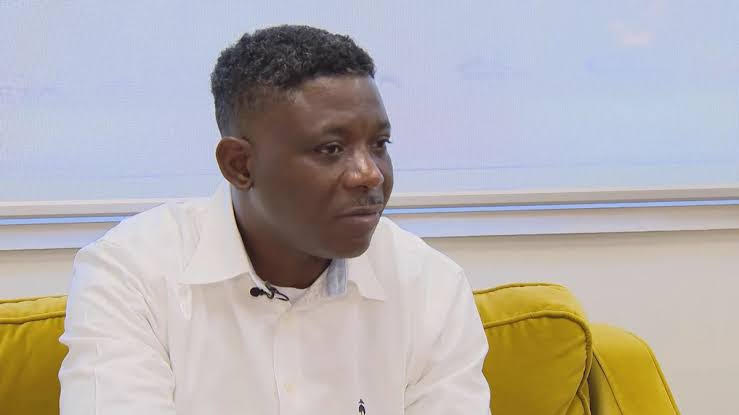
Nigerian migrant rights leader Olukunle Adetunji faces deportation from Canada after failed asylum claims
The CBC Canada reported that Mr Adetunji was released from custody after spending 10 months in detention across several maximum-security provincial facilities.
States
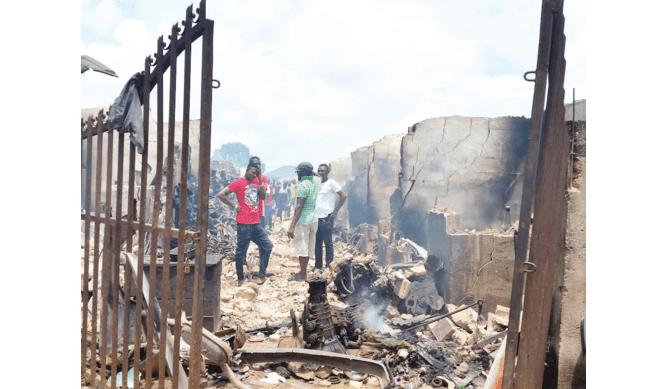
Ex-Edo governor Obaseki mourns victims of Benin fire
Mr Obaseki said that the incident was “tragic and avoidable.”

NationWide
Military arrests terrorists, rescues kidnap victims in sustained nationwide operations
Mr Onoja quoted the Chief of Defence Staff, Gen. Olufemi Oluyede, as commending security agents for their resilience.
States
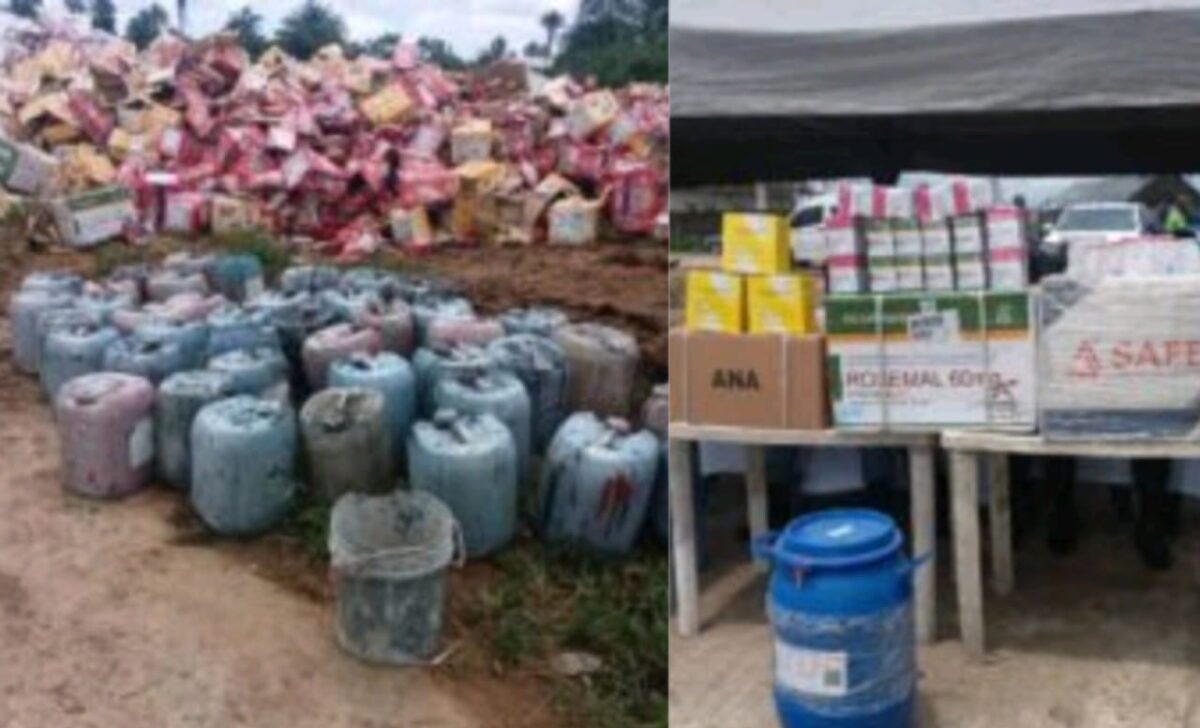
NAFDAC destroys expired, substandard products worth N2.6 million in Rivers
Mr Iluyomade called for stronger cooperation among security agencies.

Faith
Anglican Church directs Awka bishop to proceed on six-month leave amid diocese probe
Mr Ezeofor is to assume oversight of the diocese and province, while Mr Ibezim is required to hand over immediately.


