

I slammed tariffs on Nigeria for banning 25 product categories of American goods: Trump
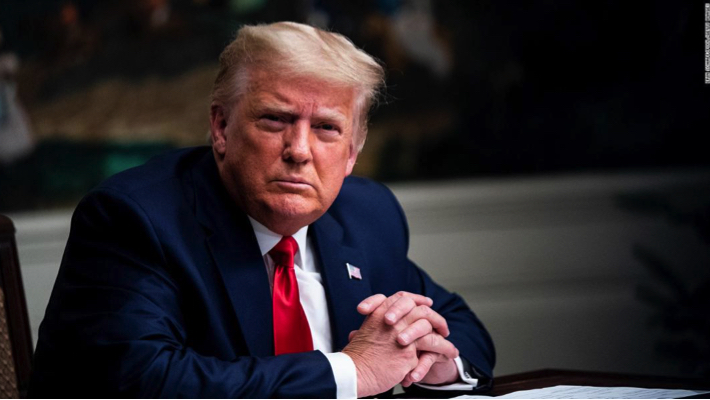
U.S. President Donald Trump has said his decision to impose an increased 14 per cent tariff on Nigeria’s exports to the United States stemmed from the country’s import restrictions on 25 American product categories, creating trade barriers between the two countries.
Mr Trump had last week announced ‘Liberation Day’ retaliatory tariffs on almost all countries, including a 14 per cent tariff on Nigeria. The Trump administration claimed that Nigeria maintains an average 27 per cent tariff against the U.S., which the politician tagged as ‘unfair dealing’.
In a fact sheet published on Monday by the United States Trade Representative (USTR) as part of Mr Trump’s talking points on the controversial tariff policy, the Trump administration justified the newly imposed tariffs on Nigeria by pointing to a policy that prohibits the export of some products, including food and pharmaceutical goods, from the U.S. to Nigeria.
“Nigeria’s import ban on 25 different product categories impacts U.S. exporters, particularly in agriculture, pharmaceuticals, beverages, and consumer goods. Restrictions on items like beef, pork, poultry, fruit juices, medicaments, and spirits limit U.S. market access and reduce export opportunities,” USTR explained.
The USTR added, “These policies create significant trade barriers that lead to lost revenue for U.S. businesses looking to expand in the Nigerian market.”
Mr Trump’s decision to impose tariffs targeting the majority of countries around the world has thrown the global economy into turmoil, with stock markets in the United States, China, the United Kingdom, India, and dozens of other nations recording significant falls on Monday.
The top 500 billionaires in the world lost a combined $208 billion in less than 24 hours following Mr Trump’s announcement, marking the fourth-largest one-day decline in the Bloomberg Billionaires Index’s 13-year history—and the largest since the height of the COVID-19 pandemic.
Meanwhile, China and Canada have announced their own retaliatory measures against the U.S., with the former imposing a matching 34 per cent tariff on American products, as well as restrictions on the export of seven rare earth elements, pharmaceutical products, and food items to the United States.

We have recently deactivated our website's comment provider in favour of other channels of distribution and commentary. We encourage you to join the conversation on our stories via our Facebook, Twitter and other social media pages.

More from Peoples Gazette

States
Independence: NBA urges Nigerians to expect better future
The NBA said that ordinary Nigerians should be deriving benefit from the subsidy removal rather than hardship.

Agriculture
FG tasks ECOWAS on leveraging financing strategies for agroecology
The federal government has urged stakeholders in the agriculture and finance sectors in the West Africa region to leverage financing strategies to enhance agroecology practices

Politics
Katsina youths pledge to deliver over 2 million votes to Atiku
“Katsina State is Atiku’s political base because it is his second home.”
Economy
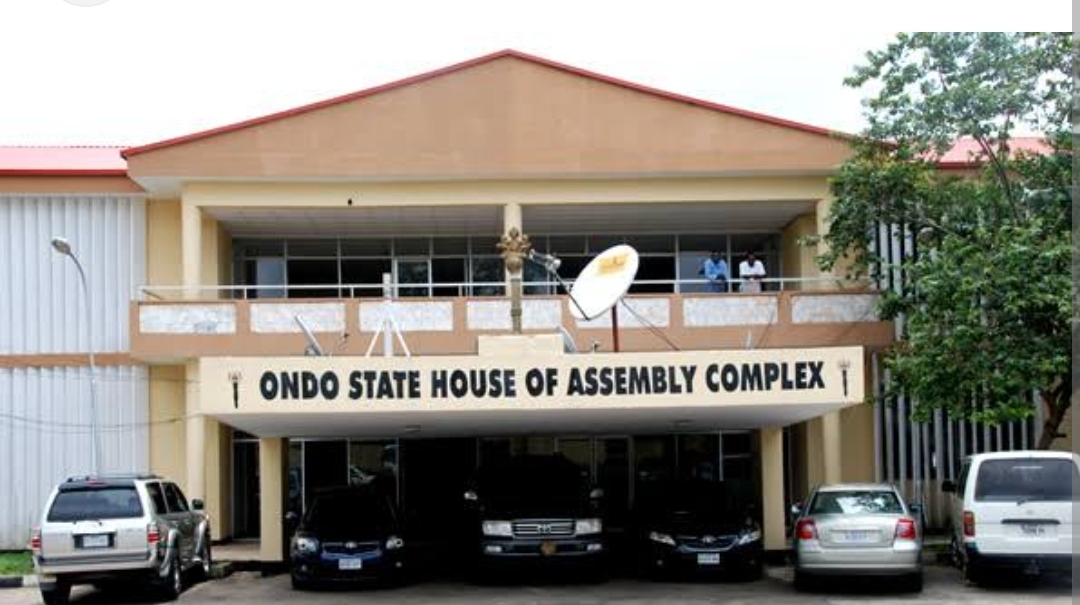
Ondo assembly seeks faster C of O processing to boost investment
The committee’s chairman, Abiola Oladapo, said efficient land administration was critical to creating an enabling environment for businesses.

Heading 4
Minister calls for greater involvement of oncology nurses in cancer care
The minister said cancer’s complexity made multidisciplinary collaboration essential.

Education
NOUN matriculates 70 inmates in Enugu custodial centre
Mr Nwakuche said the NCoS was committed to using education as an instrument for reformation.
Agriculture
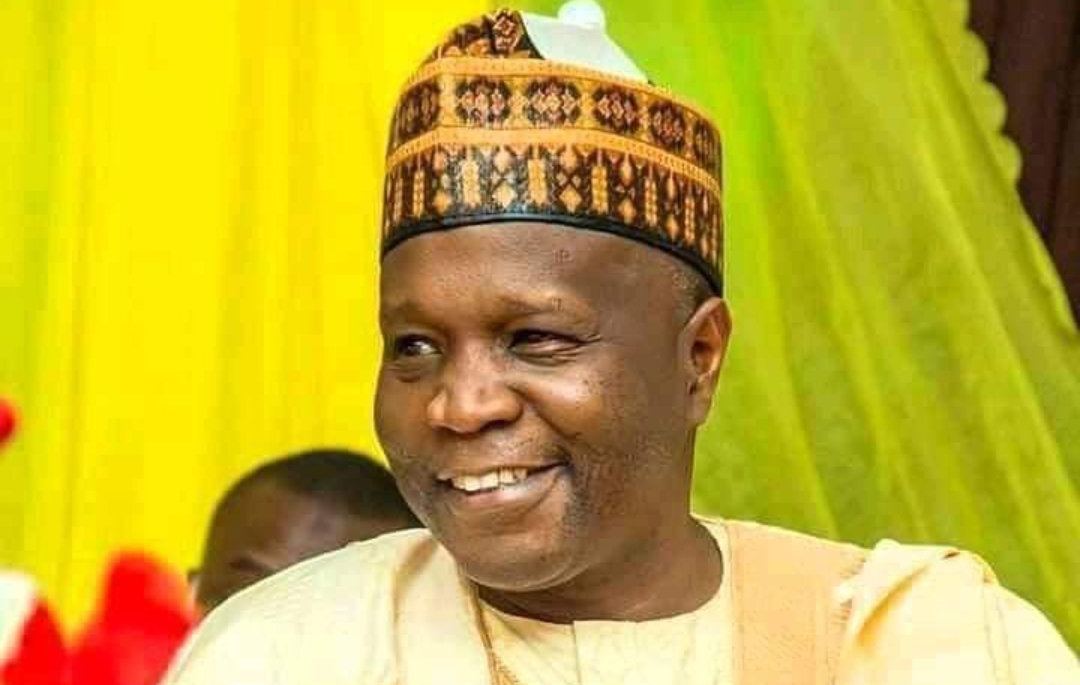
Gombe inaugurates state-wide livestock vaccination campaign
Mr Yahaya said the exercise was aimed at protecting animal health.
NationWide
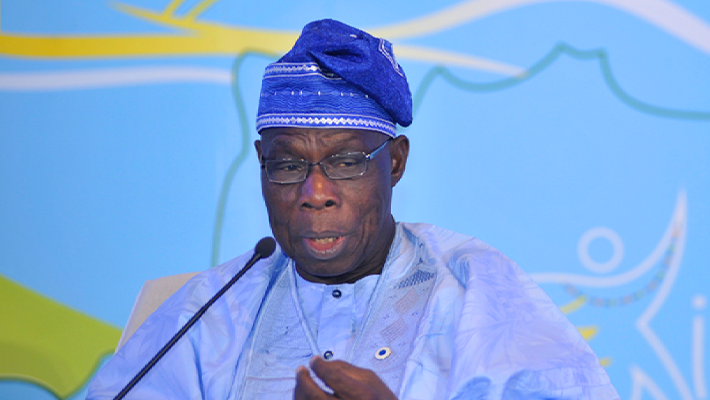
Asaba Massacre: Obasanjo urges forgiveness, reconciliation
He described the massacre as one of the most painful and terrible aspects of the Nigerian Civil War.
World
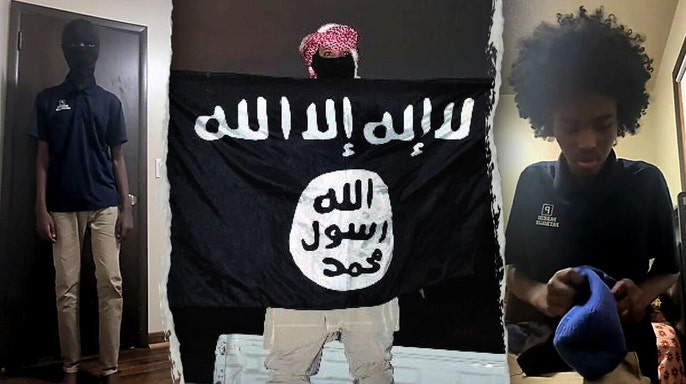
FBI nabs ISIS-linked Sheikhdoon Mohamud for plottting terrorist attack on Mall of America
He was arrested after buying an AK-47-style rifle, magazines and ammunition from an undercover FBI agent.


