

70% of countries suffering health service disruptions after aid cuts: WHO

The World Health Organisation (WHO) has issued a warning following reports of health service disruptions in 70 per cent of its surveyed country offices, citing sudden suspensions and reductions in official development assistance (ODA) for health.
In a statement on Friday, WHO said the findings, based on a rapid assessment conducted between March and April 2025 with 108 WHO country offices, raised serious concerns.
The assessment, which focused mostly on low and lower-middle-income countries, highlighted significant challenges facing global health systems.
The organisation warned of the potentially prolonged effects these issues could have on health services worldwide.
The results underscore the urgent need for coordinated international support to strengthen healthcare infrastructure, especially in the most vulnerable regions.
“Many countries are attempting to increase or reallocate funding from domestic and alternative external sources to address the funding gaps.
“However, up to 24 per cent of WHO country office responses suggest that budget cuts are already leading to increased out-of-pocket payments, disproportionately affecting the poor and vulnerable,” the report stated.
WHO Director-General Tedros Adhanom Ghebreyesus said the results painted a worrying picture of the consequences of sudden and unplanned aid cuts on the health of millions.
“Although these cuts are a shock, they are also accelerating the transition from aid dependency to more sustainable self-reliance based on domestic resources.
“Many countries are asking for WHO’s support, and we are working with them to identify and tailor the most effective measures,” he said.
Mr Ghebreyesus noted that the stocktake offered early insights from WHO country offices, which work closely with national ministries of health and provide regular support on health systems policy and planning.
He added that the goal was to identify the urgent support countries needed to avoid catastrophic impacts on population health and to monitor the rapidly evolving situation.
According to the WHO, suspensions and reductions in ODA are affecting all health system functions.
“The most frequently reported impacts include health emergency preparedness and response (70 per cent). Public health surveillance 66 per cent, service provision 58 per cent, humanitarian aid 56 per cent and health and care workforce 54 per cent.
“At least one-third of responding countries reported disruptions across all health services, with severe impacts on outbreak detection and response, as well as services related to malaria, HIV, tuberculosis, sexually transmitted infections, family planning, and maternal and child health.
“The scale of the disruptions in some regions is reportedly comparable to the peak periods of the COVID-19 pandemic. One-third of responding countries reported critical shortages of medicines and health products for major service areas.
“Additionally, over half of the countries reported job losses among health and care workers and significant disruptions to training programmes. Information systems have also been hit hard. More than 40 per cent of countries reported disruptions to essential health data systems, including emergency and surveillance systems, health management information systems, lab networks, and household and population surveys,” the DG said.
Mr Ghebreyesus said 81 of the 108 WHO country offices expressed the need for support across various health areas, including innovative funding mechanisms, technical assistance, and capacity building.
He concluded by stressing that, in light of the rapidly evolving situation, WHO would continue to track developments closely and collaborate with global health partners and donor agencies to support immediate response efforts and promote long-term sustainability.
(NAN)

We have recently deactivated our website's comment provider in favour of other channels of distribution and commentary. We encourage you to join the conversation on our stories via our Facebook, Twitter and other social media pages.

More from Peoples Gazette

States
Independence: NBA urges Nigerians to expect better future
The NBA said that ordinary Nigerians should be deriving benefit from the subsidy removal rather than hardship.

Agriculture
FG tasks ECOWAS on leveraging financing strategies for agroecology
The federal government has urged stakeholders in the agriculture and finance sectors in the West Africa region to leverage financing strategies to enhance agroecology practices

Politics
Katsina youths pledge to deliver over 2 million votes to Atiku
“Katsina State is Atiku’s political base because it is his second home.”
States
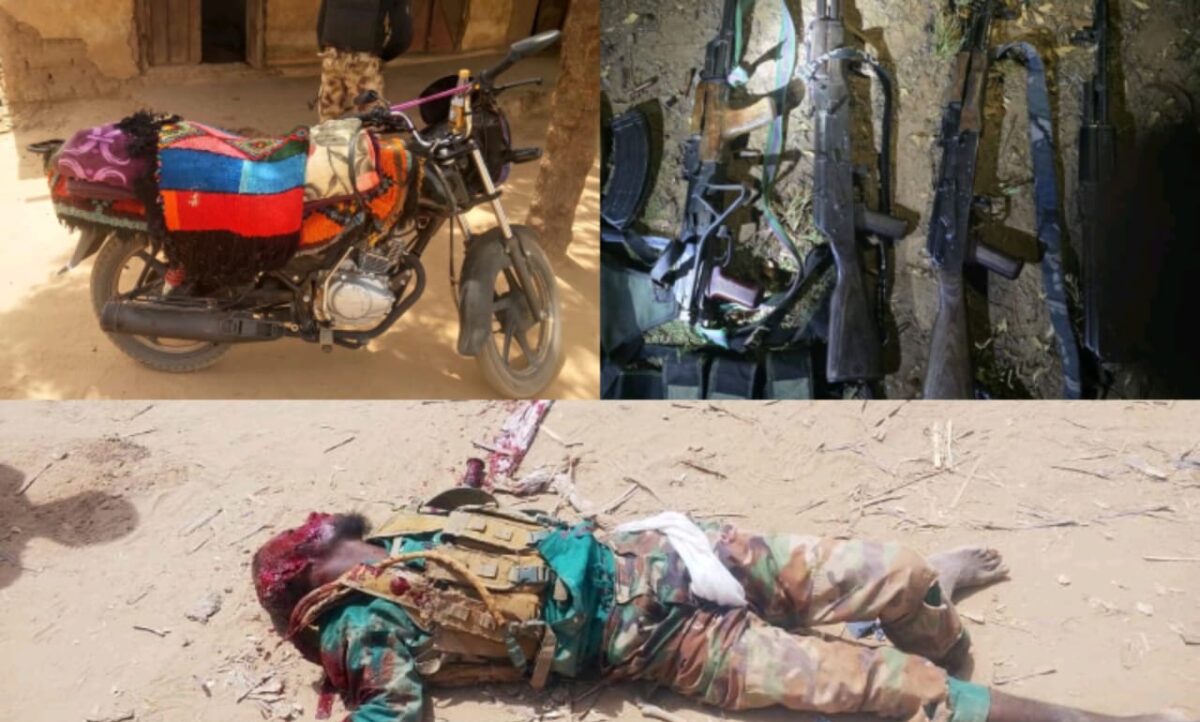
Troops kill two suspected terrorists in Sokoto operation, recover weapons, motorcycles
Danja said the operation was conducted on Thursday in the area.
States
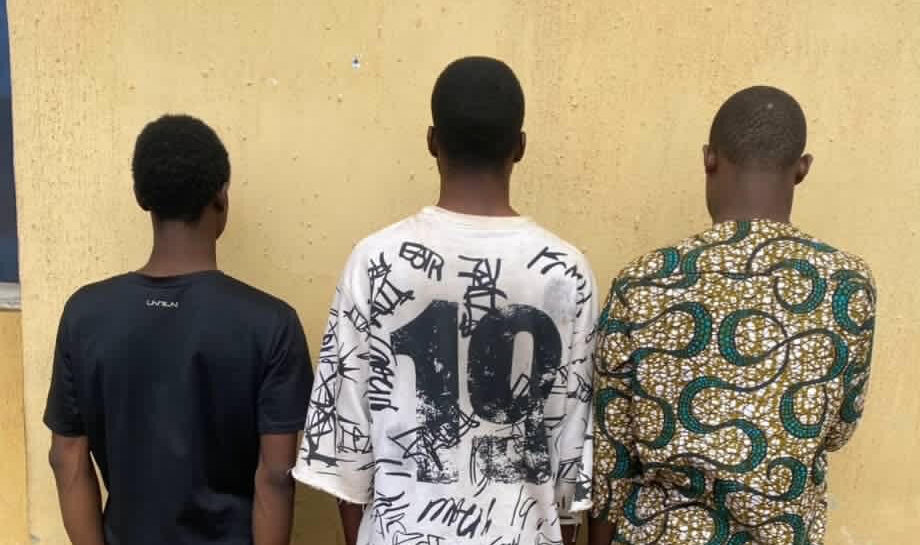
Oyo police nab three suspected homosexuals in Saki
The police identified the suspects as Ayomide Lukeman, 22; Shuaib Aremu, 22; and Abdul-Rasheed Mufeed, 23.
Heading 5
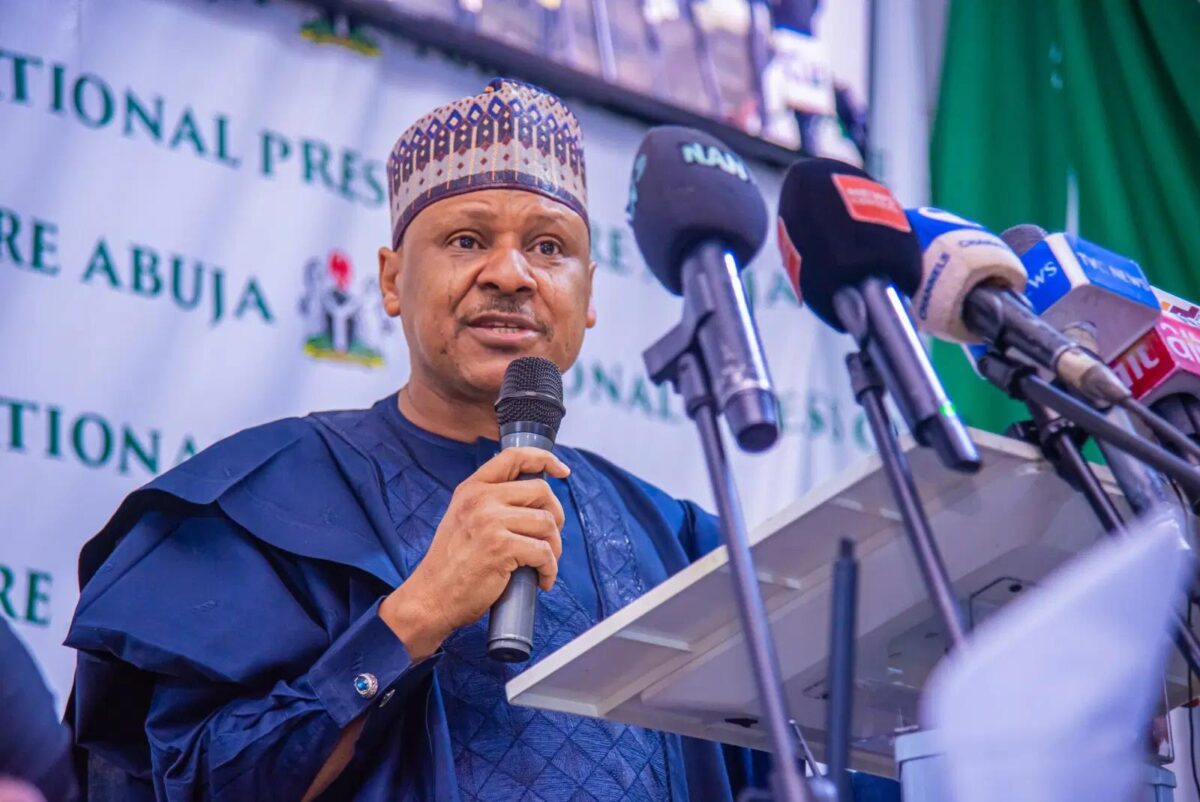
Tinubu govt begins construction of 10,000 housing units in 14 states: Minister
The minister said the move reflected the Federal Government’s commitment to addressing Nigeria’s housing deficit.

States
Gunmen storm Plateau mining site, kill two persons
Mr Tengwong identified the victims as Goodluck Bulus and Emmanuel Monday.
Heading 5
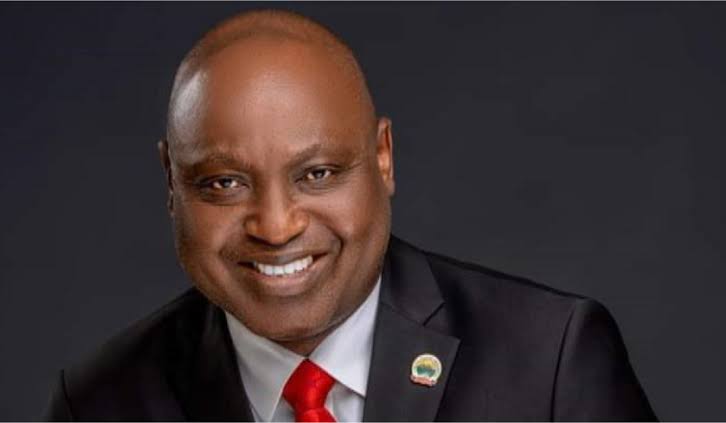
Gov Oyebanji reappoints SSG, chief of staff, spokesperson
The reappointments followed Mr Oyebanji’s inauguration for a second term in office.

Anti-Corruption
Witness tells court how NDC Reps candidate Duruibe allegedly defrauded him of N239 million
Ms Duruibe emerged as the House of Representatives candidate for Okigwe South Federal Constituency in June.


