

89% of infants vaccinated globally in 2024, WHO, UNICEF warn of risks
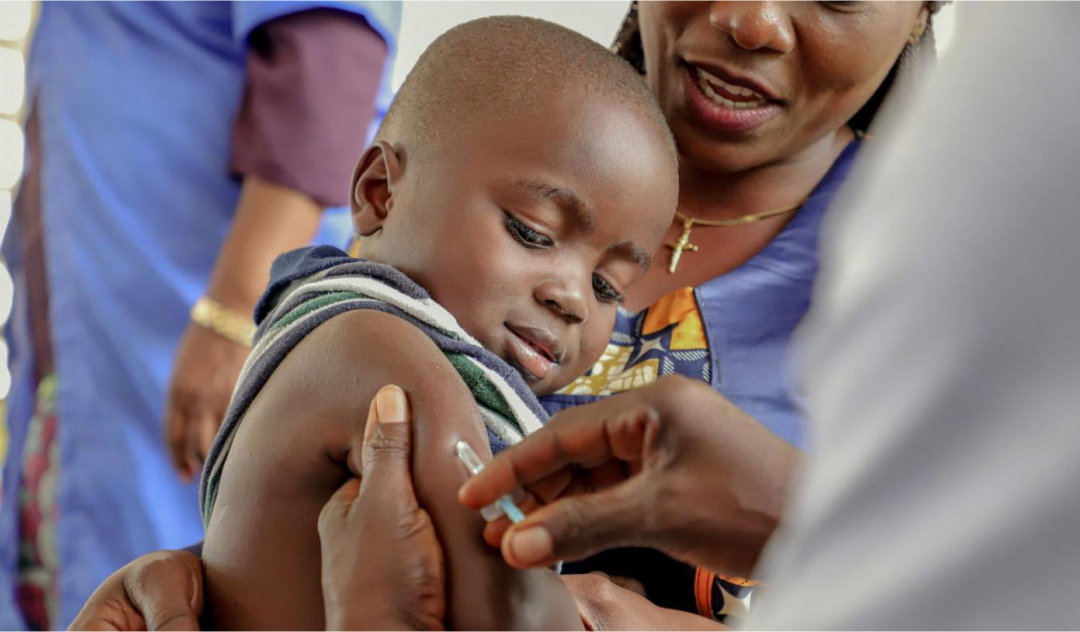
The United Nations agencies have reported that in 2024, approximately 89 per cent of infants worldwide, about 115 million children, received at least one dose of the diphtheria, tetanus, and pertussis vaccine.
This update is based on new national immunisation coverage data released on July 14 by the World Health Organisation and the United Nations Children’s Fund.
Compared to 2023, an additional 171,000 children received at least one vaccine dose, and one million more completed the full three-dose DTP series.
While these gains are modest, they reflect ongoing global efforts to protect children despite rising challenges.
However, nearly 20 million infants still missed at least one DTP vaccine dose in 2024, including 14.3 million “zero-dose” children who never received any vaccine.
This figure exceeds the 2024 target by four million, putting global immunisation goals outlined in the Immunisation Agenda 2030 at risk.
WHO director-general Tedros Ghebreyesus emphasised the life-saving power of vaccines, stating, “It’s encouraging to see an increase in children vaccinated, but we still have much work to do. Cuts in aid and vaccine misinformation threaten to reverse decades of progress.”
He highlighted factors contributing to under-vaccination, including limited healthcare access, supply disruptions, conflict, and misinformation.
Mr Tedros said, “Data from 195 countries show 131 have consistently reached at least 90 per cent coverage with the first DTP dose since 2019. Yet, progress is stalling in 47 countries, with 22 nations seeing declines after previously meeting this target.”
Mr Tedros warned that conflict and humanitarian crises significantly undermined vaccination efforts.
He added, “A quarter of the world’s infants live in 26 fragile or conflict-affected countries, which account for half of all unvaccinated children globally. In these areas, unvaccinated children rose from 3.6 million in 2019 to 5.4 million in 2024, highlighting an urgent need for integrated immunisation in humanitarian responses.
“Immunisation coverage in 57 low-income countries supported by Gavi, the Vaccine Alliance, improved in 2024, reducing the number of under-vaccinated children by about 650,000. Yet, some upper-middle- and high-income countries face early signs of declining coverage, which increases the risk of disease outbreaks.”
UNICEF executive director Catherine Russell welcomed the progress but warned millions of children remained vulnerable to preventable diseases.
She called for urgent action to overcome barriers such as shrinking health budgets, fragile systems, misinformation, and conflict-related access issues.
Ms Russell noted encouraging expansions in vaccines against HPV, meningitis, pneumococcal disease, polio, and rotavirus.
“Global HPV vaccine coverage among eligible adolescent girls rose from 17 per cent in 2019 to 31 per cent in 2024, although it remains far below the 90 per cent target set for 2030,” said Ms Russell.
Gavi CEO Sania Nishtar added that while lower-income countries protected more children than ever, population growth, fragility, and conflict continued to hamper equity in vaccination efforts.
She highlighted improvements in measles coverage but cautioned that it still fell short of the 95 per cent threshold required to prevent outbreaks.
Ms Nishtar said, “Measles outbreaks nearly doubled from 33 countries in 2022 to 60 in 2024.”
She stressed that funding shortfalls, instability, and rising misinformation threaten to stall or reverse progress, risking increased deaths from vaccine-preventable diseases.
WHO and UNICEF called on governments and partners to close funding gaps for Gavi’s 2026–2030 strategic cycle to protect millions of children.
They also urged strengthening immunisation efforts in conflict-affected and fragile settings, and prioritising locally led strategies and increased domestic investment in primary healthcare systems.
Additionally, the agencies emphasised the need to counter vaccine misinformation through evidence-based campaigns.
They also called for greater investment in robust data collection and disease surveillance systems to guide effective immunisation programmes.
(NAN)

We have recently deactivated our website's comment provider in favour of other channels of distribution and commentary. We encourage you to join the conversation on our stories via our Facebook, Twitter and other social media pages.

More from Peoples Gazette

Agriculture
FG tasks ECOWAS on leveraging financing strategies for agroecology
The federal government has urged stakeholders in the agriculture and finance sectors in the West Africa region to leverage financing strategies to enhance agroecology practices

Politics
Katsina youths pledge to deliver over 2 million votes to Atiku
“Katsina State is Atiku’s political base because it is his second home.”

Heading 4
UK women, partners to get two weeks’ bereavement leave after miscarriage from next year
“From April, women and their partners will be entitled to two weeks off after any pregnancy loss,” Mr Burnham said.
Africa
Climate Change: 32 million West Africans may become refugees by 2050, says ECOWAS
ECOWAS says 32 million West Africans risk being displaced from their communities due to climate change.
States
Navy recovers 182,000 litres of suspected stolen crude oil in Rivers
The Nigerian Navy recovered 182,000 litres of suspected stolen crude oil in Rivers.

Economy
Edible oil tanker drivers suspend planned strike
NUEOTDN President Ilias Aperun said the decision followed interventions by the federal government and the State Security Service (SSS).

States
Lagos APC governorship candidate Hamzat rallies voters for 2027
Mr Hamzat expressed concern about declining voter participation, noting that of the 6.2 million registered voters in Lagos in the last election, only about 1.2 million voted.

Economy
NMDPRA begins consultations on anti-competition regulations in petroleum sector
The proposed regulations are designed to address abuse of dominance and promote fair, non-discriminatory access to essential petroleum infrastructure.


