

Gavi pledges $3 million to boost immunisation in Kaduna
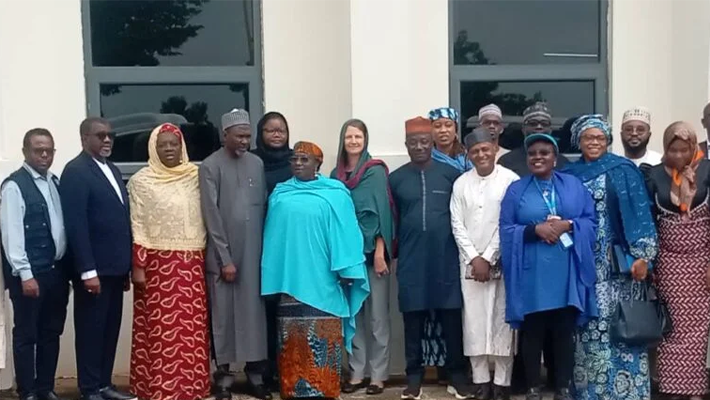
Gavi, the Vaccine Alliance, has announced a $3 million investment over the next two years to strengthen routine immunisation and primary healthcare in Kaduna.
This is expected to accelerate progress towards universal vaccine coverage.
Jessica Crawford, Gavi senior country manager for Nigeria, disclosed this during a high-level field mission to the state.
The visit included engagements with top state officials, tours of health facilities, and strategy meetings with partners.
Ms Crawford said Kaduna had shown strong leadership, coordination, and results in immunisation. She emphasised that the funding would help build on those successes, tackle hard-to-reach areas, and ensure equitable access to life-saving vaccines.
Ms Crawford explained that the fund drawn from Gavi’s latest Health System Strengthening grant would be implemented in collaboration with the Kaduna government, the National Primary Health Care Development Agency, and other partners.
The funding, according to her, would focus on critical priorities such as improving vaccine delivery, addressing inequities in coverage, and reducing the number of ‘zero-dose’ children.
“Over the past seven years, Gavi has supported Kaduna through cold chain equipment provision, vaccine supply operations, outbreak response, workforce support, and direct vaccine procurement.
“We are pleased to see these investments in action and committed to working with Kaduna to maximise impact,” Ms Crawford said.
Similarly, Hassan Ousmane, head of routine immunisation at NPHCDA, highlighted the federal government’s role in ensuring vaccine availability nationwide.
“The federal government, through NPHCDA, procures vaccines for all states in Nigeria, ensuring every child is vaccinated. Partners like Gavi complement these efforts with funding, equipment, and other essential resources to strengthen our health facilities,” he said.
Mr Ousmane noted that Gavi’s national pledge stands at $13 million over three years, with states providing counterpart contributions.
“While Gavi often provides the larger share, the government also commits its own resources to ensure we achieve full immunisation coverage,” he said.
Addressing the issue of children missing out on basic immunisation, Barkunawa Bello, deputy director of routine immunisation and Gavi desk officer at NPHCDA, explained the scale of the problem.
“By definition, a zero-dose child is one who has not received the first dose of the pentavalent vaccine (Penta 1) by the age of 23 months. Nigeria, unfortunately, has one of the highest zero-dose burdens globally, with 2.3 million identified in 2022.
“This has been reduced to about 2.1 million, but much work remains. Kaduna is one of five states, alongside Sokoto, Kebbi, Kano, and Bayelsa, selected for intensive engagement with Gavi to address immunisation gaps,” he said.
Mr Bello noted the importance of community engagement through religious, traditional, and local leaders, supported by the national risk communication team, in combating vaccine hesitancy.
“Our strategy is to ensure no one is left behind. That means working directly with communities, men and women alike, to build trust and demand for vaccines,” he noted.
Deputy Governor Hadiza Balarabe described Gavi’s commitment as a reaffirmation of the shared mission to protect the health and future of children in Kaduna.
“Through our joint efforts with Gavi, NPHCDA, UNICEF, and the Gates Foundation, we have expanded immunisation coverage, strengthened cold-chain infrastructure, trained and deployed frontline health workers, and improved health data systems.
“These achievements translate into healthier children, stronger families, and lives saved from preventable diseases,” she said.
The deputy governor acknowledged the persistent challenges, including reaching children in remote and insecure communities, as well as tackling vaccine hesitancy. She reiterated the state’s commitment to revitalising primary health care facilities, deploying innovative supply chain solutions, and sustaining community engagement.
(NAN)

We have recently deactivated our website's comment provider in favour of other channels of distribution and commentary. We encourage you to join the conversation on our stories via our Facebook, Twitter and other social media pages.

More from Peoples Gazette

States
Independence: NBA urges Nigerians to expect better future
The NBA said that ordinary Nigerians should be deriving benefit from the subsidy removal rather than hardship.

Agriculture
FG tasks ECOWAS on leveraging financing strategies for agroecology
The federal government has urged stakeholders in the agriculture and finance sectors in the West Africa region to leverage financing strategies to enhance agroecology practices

Politics
Katsina youths pledge to deliver over 2 million votes to Atiku
“Katsina State is Atiku’s political base because it is his second home.”

Economy
Shell to sell Nigeria gas distribution business to Vaaris Energy
Meanwhile, the company said the transaction was still subject to regulatory approval, and Shell Nigeria Gas Group would remain part of Shell until the deal was sanctioned.
States
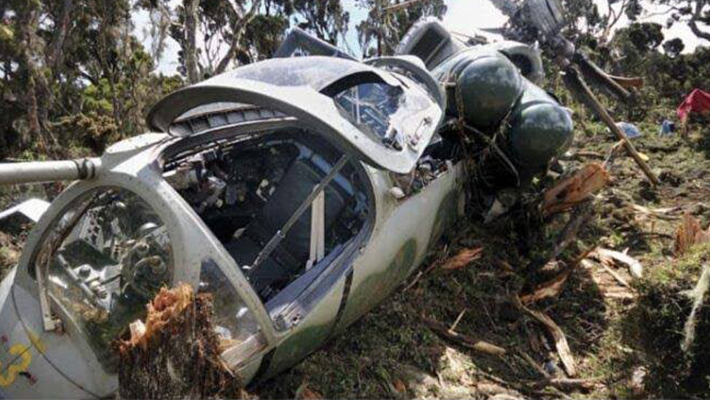
NAF recovery team, navy, NSIB divers recover crashed aircraft components
The Nigerian Air Force says recovery teams have retrieved additional components from its ATR 42-500 aircraft that crashed in Igbokoda village of Ondo.

NationWide
Tinubu govt commits N84 billion to ending child marriage by 2030
The federal government has proposed N84.48 billion to implement a five-year national strategy to end child marriage by 2030.

Health
Accountability key to better health service delivery: Aig-Imoukhuede
Aig-Imoukhuede Foundation’s chief says effective leadership, a skilled health workforce and strong accountability systems are critical to improving primary healthcare delivery.

Economy
IMF advises countries to replace fuel subsidies with targeted support for poor people
The International Monetary Fund has urged countries to replace blanket fuel subsidies with targeted support for vulnerable households.
Politics
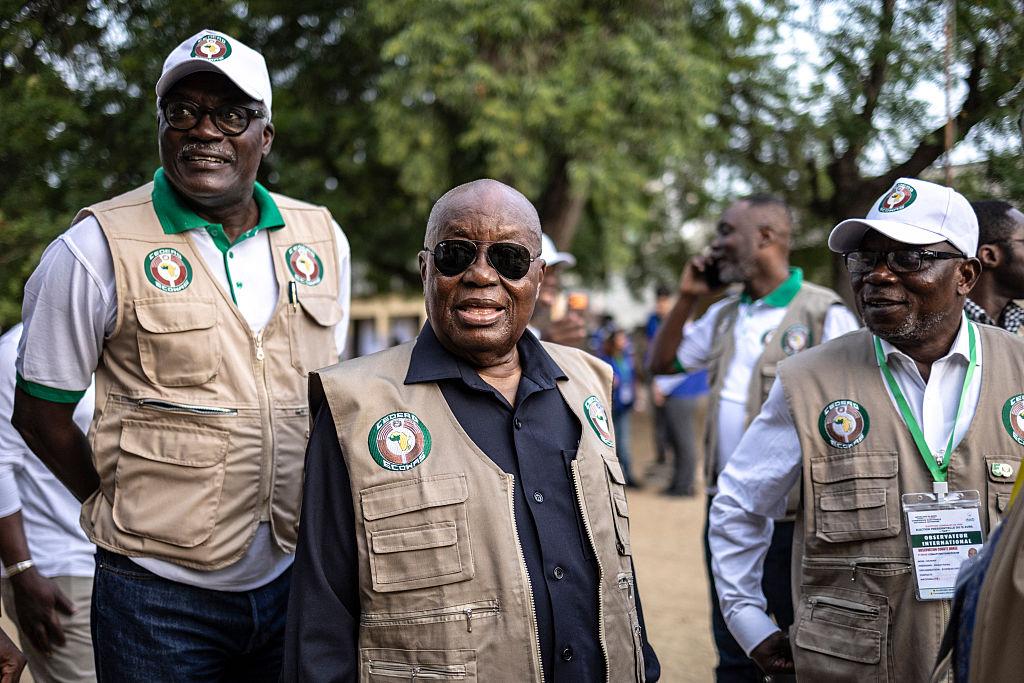
ECOWAS electoral bodies adopt AI guidelines to boost election integrity
ECONEC, an umbrella body for election management bodies in West Africa, has adopted a regional guideline on using artificial intelligence in electoral processes.


