

Does Lagos’ embrace of anti-Igbo policies hurt Nigeria’s melting pot?

Indeed, Lagos should never be called a “No Man’s Land.” Yet it’s difficult to believe that those who use the phrase, disrespectful as it may sound, are denying its rightful heritage as the home of the Awori and other Yoruba-speaking groups whose ancestors lived here for centuries before the arrival of colonialists and other Nigerians. Rather, the term reflects a constitutional reality: Lagos, like every other state in Nigeria, belongs to all Nigerians.
That said, Lagos is more than its indigenous roots. It is Nigeria’s most cosmopolitan city, and a melting pot for more than 250 of the country’s ethnic nationalities. Over the years, it has become home to millions of people from across the country who have not only settled here, some for generations, but have also helped shape it into the economic powerhouse it is today.
From commerce, media, and tech to real estate, manufacturing, entertainment, and the arts, Nigerians from outside Lagos have played an essential role in building the city. Many of the state’s largest businesses are owned by non-Yoruba entrepreneurs. They employ thousands, expand the state’s tax base, and generate revenues that fuel Lagos’s continued development.
Yes, many of these residents are grateful for the opportunity to thrive. But Lagos also owes them gratitude for bringing their enterprise, resources, taxes, and labour, which have helped make it Africa’s fifth-largest economy. The relationship has been mutually beneficial.
This is why the threats and violence during the 2023 elections against those who did not support the ruling All Progressives Congress (APC), and the continued threats to repeat such tactics in 2027, are deeply troubling. They suggest that parts of the political class, and the broader society, may be growing weary of Lagos’s diversity and its role as Nigeria’s melting pot.
Perhaps it’s okay if Lagos no longer wants to be ‘mini-Nigeria’. After all, it didn’t choose this identity. Its cosmopolitan nature was thrust upon it first by colonialists who made it the capital, and later by Nigerians who saw it as the gateway to a better life. If today it feels threatened by its diversity, maybe it’s time for Nigerians to rethink their overdependence on the state.
Recent moves by local authorities, such as the renaming of streets from non-Yoruba to Yoruba names, which appear aimed at limiting outside influence, present the perfect opportunity for the residents and investors being targeted to explore opportunities beyond Lagos.
This moment of tension offers discerning Nigerians a rare chance to spread investments, development, and population more evenly across the federation. Such hostility will not end in 2027 or with the Igbo. As Nigerians say, it will eventually touch everybody.
Now is the time for other states and the FCT to overhaul their policies. Nigerians seeking to live and work outside Lagos should not face bureaucratic hurdles, weak infrastructure, or social hostility. If Lagos no longer wishes to be Nigeria’s melting pot, other states must step up to replicate, or even surpass, the enabling environment that has made it thrive.
States with comparable human or resource advantages should position themselves as viable alternatives. As Lagos becomes less accommodating, they could reap the benefits of this migration windfall by adopting inclusive, business-friendly policies.
As Lagos becomes increasingly hostile toward non-Yoruba residents, more people will inevitably seek to relocate. Remote work and tech innovation have made geography less important, while a new generation prioritises quality of life over location. Any state that positions itself as safe, affordable, welcoming, and efficient could quickly rise as Nigeria’s next major hub.
More states must embrace openness, innovation, and competitiveness, becoming thriving, inclusive, and economically viable units of the federation. This is what they should have been long ago, if everyone had not been so singularly fixated on Lagos.
Maduekwe runs Discussing Africa Media. Write him: mrmaduekwe@gmail.com

We have recently deactivated our website's comment provider in favour of other channels of distribution and commentary. We encourage you to join the conversation on our stories via our Facebook, Twitter and other social media pages.

More from Peoples Gazette

Agriculture
FG tasks ECOWAS on leveraging financing strategies for agroecology
The federal government has urged stakeholders in the agriculture and finance sectors in the West Africa region to leverage financing strategies to enhance agroecology practices

Politics
Katsina youths pledge to deliver over 2 million votes to Atiku
“Katsina State is Atiku’s political base because it is his second home.”
States
L-PRES urges shift to modern livestock practices in Borno
Mr Ali said interventions in 2025 prioritised crop and animal production.
States
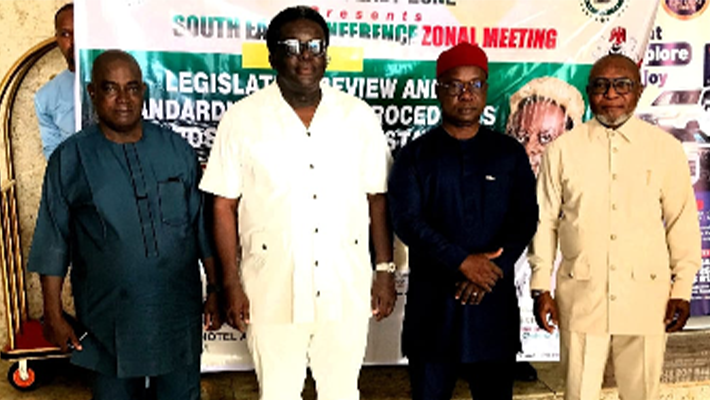
South-East speakers seek regional legislative collaboration, harmonisation
Mr Udeze said that legislative cooperation in the region should move beyond periodic consultations.

States
Police commend peaceful conduct of Bauchi by-elections
The police boss expressed satisfaction with the level of security deployment.

States
Police nab alleged vigilante for armed robbery in Cross River
Mr Ordue directed that the suspect be subjected to due process.

States
Group urges voluntary blood donation in Kano
Ms Tofa said the blood drive, sustained for 13 years, was part of efforts to address blood shortages.

Lagos
Lagos: APC Agege candidate holds interfaith prayer for 2027 election victory
Mr Abiola urged members to remain united, work tirelessly for victory and continue to pray for all APC candidates.


