

Nigeria can sustain health financing locally, says AfHEA

John Ele-Ojo Ataguba, executive director of the African Health Economics and Policy Association, says Nigeria possesses the internal resources to sustainably finance its health system.
Mr Ataguba, speaking on Tuesday in Abuja at the National Health Financing Policy Dialogue, stressed the need for reforms in governance, taxation, and budget execution.
He noted that such reforms were essential to reducing Nigeria’s reliance on foreign donors and building a more sustainable health financing system.
The event was organised by the National Health Insurance Authority (NHIA) and partners, aiming to explore equitable, sustainable, and accessible healthcare financing models.
“It comes as many African countries confront fragile health systems and shifting donor priorities. If a country can spend significantly on out-of-pocket healthcare, it shows that resources exist.
“The problem is that the poor spend a larger share of their income on healthcare compared to the rich, making existing subsidies regressive and inequitable,” he explained.
Citing Ghana as a model, he noted that earmarking domestic taxes, such as a portion of VAT, for health and education could significantly reduce Nigeria’s dependence on out-of-pocket payments.
“Ghana allocates about 2.5 per cent of VAT to health via its National Health Insurance Authority. That’s a more equitable way to fund healthcare,” he explained.
Mr Ataguba highlighted that while Nigeria allocated funds to health, poor budget execution weakened the impact.
“For example, a N1 billion allocation may see only N800 million actually spent, reflecting execution delays, bureaucracy, and accountability gaps,” he said.
He also underlined the need to expand health insurance coverage, target government subsidies effectively to the poor, utilise donor funds to complement, not replace, domestic investments, and enhance budget performance and reduce leakages.
“The aim should be a fair, sustainable, and well-governed domestic financing system that protects households from catastrophic health spending,” he said.
The dialogue brought together policymakers, civil society, development partners, health commissioners, and other key stakeholders to strategise for a stronger health financing future in Nigeria.
(NAN)

We have recently deactivated our website's comment provider in favour of other channels of distribution and commentary. We encourage you to join the conversation on our stories via our Facebook, Twitter and other social media pages.

More from Peoples Gazette

Agriculture
FG tasks ECOWAS on leveraging financing strategies for agroecology
The federal government has urged stakeholders in the agriculture and finance sectors in the West Africa region to leverage financing strategies to enhance agroecology practices

Politics
Katsina youths pledge to deliver over 2 million votes to Atiku
“Katsina State is Atiku’s political base because it is his second home.”

NationWide
Tinubu urges documentation of national institutions, leadership experiences
Mr Tinubu said his administration was strengthening intelligence gathering and inter-agency coordination.
NationWide
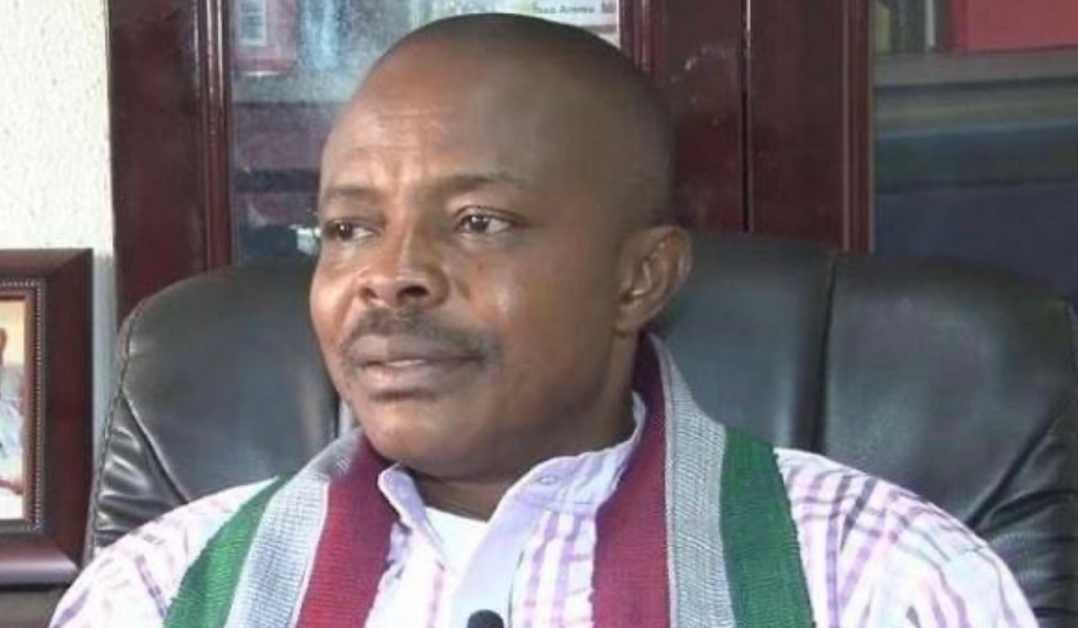
NLC demands wage awards for workers as petrol prices rise
He warned that higher transport fares would trigger further increases in the prices of essential commodities and services.
Health
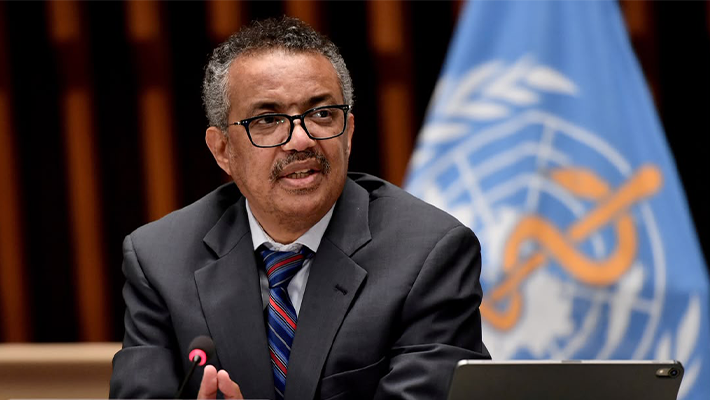
Ebola response gaining ground in DRC; epidemic still killing: WHO
Mr Ghebreyesus said Ebola was compounding other health and humanitarian challenges facing the Congolese population.
States
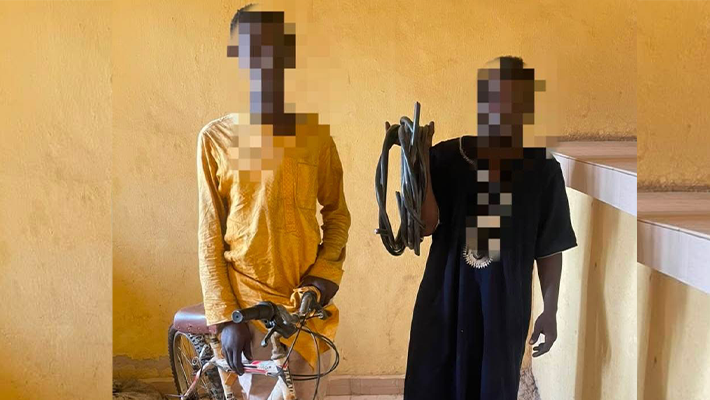
Police arrest two Niger suspects over alleged theft
The state police spokesperson, Wasiu Abiodun, stated this in a statement on Wednesday.
Heading 5
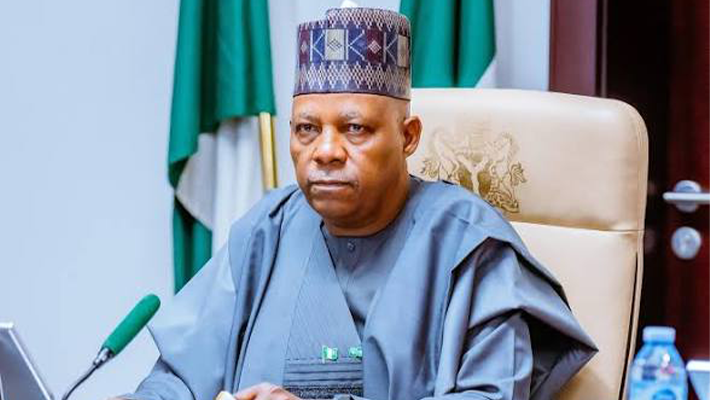
Shettima urges Kwara politicians to emulate Tinubu’s spirit of reconciliation
The vice president said political contests should not be regarded as a “game of death”.

States
Gov Sani redeems pledge to Kaduna’s innovators
The grant was announced during the 2026 International Youth Day conference in Kaduna on September 4.


