

Nigerian universities among least transparent globally, operate in secrecy: Report

Nigerian universities are among the least transparent higher institutions in the world, according to a report released by the Athena Centre for Policy and Leadership.
The report came amid continued clamour for sustainable funding in Nigerian universities and revealed entrenched financial opacity in these institutions, with all universities failing to disclose even partial financial data.
“Nigerian universities rank among the least transparent higher education institutions globally, which directly contributes to chronic underfunding, weak research output, and a declining global reputation,” the report revealed.
The report, which was the outcome of a survey conducted by Constance Obiuto Nwankwo (research lead), Chinwe Obumselu (research assistant), Kingsley Kosisochukwu Nwasodolu (research assistant), Jasper Evagberien (project manager), Ebube Chukwukaeme (research assistant), Ijeoma Achebe (research assistant), and Dede Oghenevwede (data analyst), covered 64 universities across the country’s six geopolitical zones.
It stated that, unlike peer institutions in South Africa, Kenya, and Ghana, Nigerian universities operate in secrecy, which deters international donors, private investors, and philanthropic organisations that rely on transparency as a fundamental requirement for engagement.
“This systemic secrecy is a national embarrassment, as institutions meant to be centres of learning and excellence instead model secrecy and unaccountability to students, staff, and the public, deepening a culture of corruption across the system,” it added.
The report also highlighted gross underinvestment in Nigerian universities, resulting in infrastructural deficits that hinder quality teaching and learning.
“In Nigeria, however, university funding has long been a systemic challenge with profound implications for infrastructure, academic quality, and institutional sustainability. Chronic underinvestment has produced visible and widespread infrastructural deficits.
“Laboratories and libraries are frequently outdated, limiting the potential for cutting-edge research and innovation. Student housing is often inadequate, with overcrowded and poorly
ventilated dormitories compromising student health and well-being. Classrooms, where available, are often insufficient in number and quality, which hampers the delivery of effective teaching and learning,” the report said.
According to the report, Nigerian universities lag behind global transparency standards, which “undermines donor confidence and private sector engagement but also weakens internal governance and stakeholder trust.”
While noting that a global review of financial disclosure practices among leading universities reveals a significant disparity between Nigerian institutions and their international counterparts, the report states that universities in the United States, the United Kingdom, Egypt, and Singapore provide real-time, publicly accessible financial data, demonstrating how transparency fosters trust and unlocks funding.
“Leading institutions such as Stanford University, the University of Cambridge, and the National University of Singapore publish comprehensive financial disclosures, including audited financial statements, detailed budget allocations, and granular expenditure reports—directly on their websites. This transparency correlates directly with their ability to attract substantial private sector funding and international research grants,” it explained.
The report recommended a legal framework for mandatory financial disclosure, establishment of a unified audit framework under the oversight of the Auditor-General of the Federation, reform visitation panels into a three-year governance cycle, a centralised university transparency portal (UTAP), and enforcement of full compliance with the Freedom of Information (FOI) Act, among others.

We have recently deactivated our website's comment provider in favour of other channels of distribution and commentary. We encourage you to join the conversation on our stories via our Facebook, Twitter and other social media pages.

More from Peoples Gazette

States
Independence: NBA urges Nigerians to expect better future
The NBA said that ordinary Nigerians should be deriving benefit from the subsidy removal rather than hardship.

Agriculture
FG tasks ECOWAS on leveraging financing strategies for agroecology
The federal government has urged stakeholders in the agriculture and finance sectors in the West Africa region to leverage financing strategies to enhance agroecology practices

Politics
Katsina youths pledge to deliver over 2 million votes to Atiku
“Katsina State is Atiku’s political base because it is his second home.”
Africa
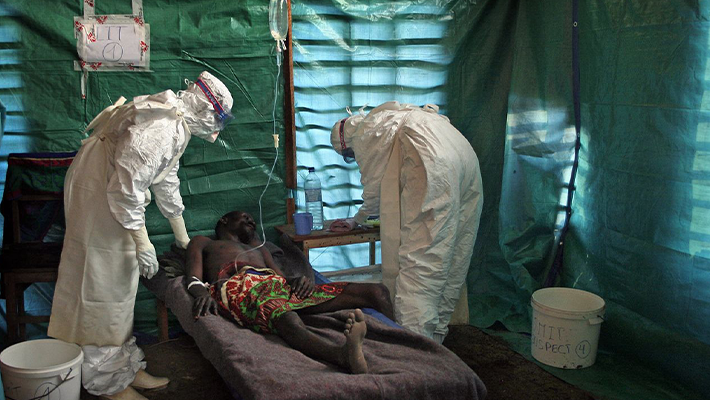
Ebola deaths hit 4,242 as cases rise to 8,787 in DR Congo: WHO
As of October 7, the outbreak had recorded 8,787 cases, 4,242 confirmed deaths and 2,292 recoveries.

World
Oyedele leads Nigeria delegation to IMF annual meeting
The meetings, scheduled for October 12 to October 18, will be attended by delegations from more than 190 countries.

States
Niger Delta group endorses Tinubu for second term, demands 25% oil derivation
Mr Udoh said Nigeria’s history was intertwined with oil exploration in the Niger Delta.
Politics
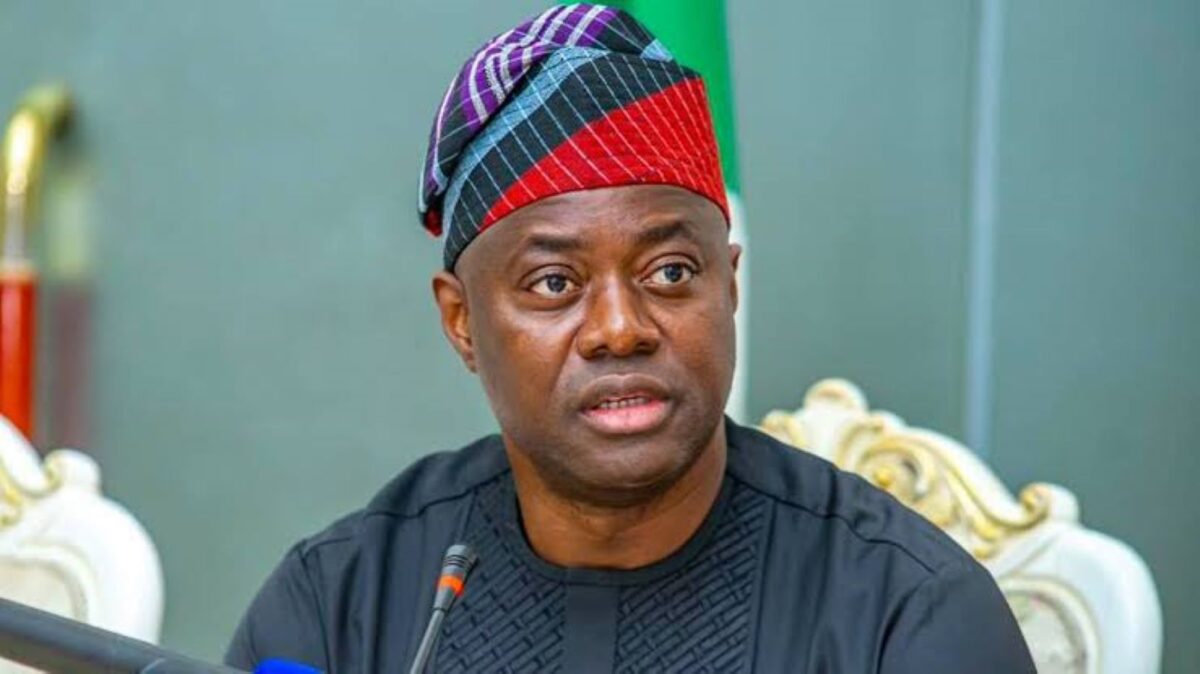
2027: Makinde vows to tackle insecurity, poverty through reforms
Mr Makinde said power-sharing under his administration would not favour any particular part of the country.
States
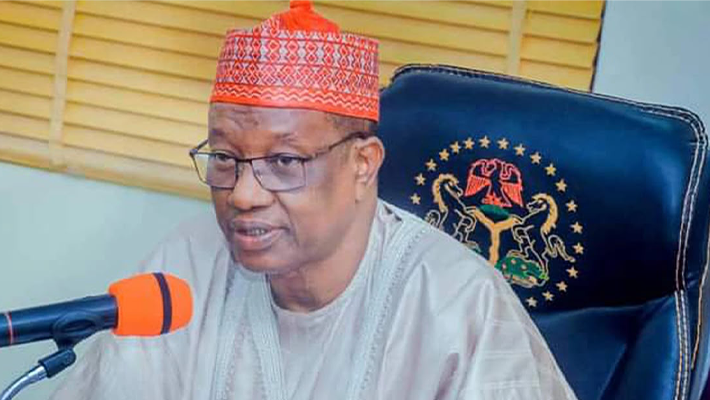
NDC urges calm over omission of Kano governorship candidate from INEC list
The party said that Mr Abdussalam-Gwarzo had fulfilled all the requirements for the election.
States
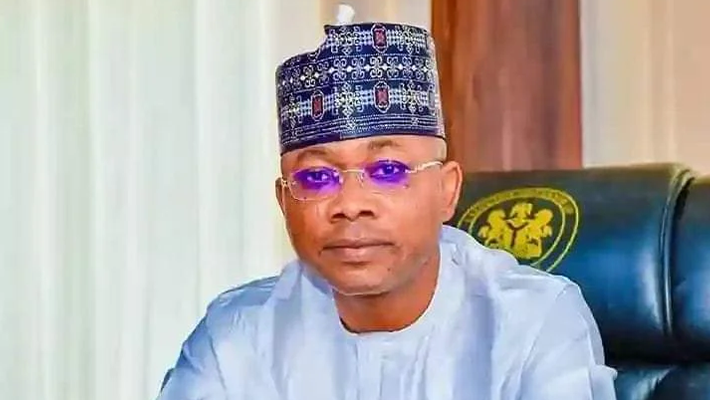
Ododo urges Kogi Christian leaders to promote unity, peace
The governor commended CAN for 50 years of faith, worship, unity and service to humanity.


