

How iGaming Reshapes Traditional Sport Leagues
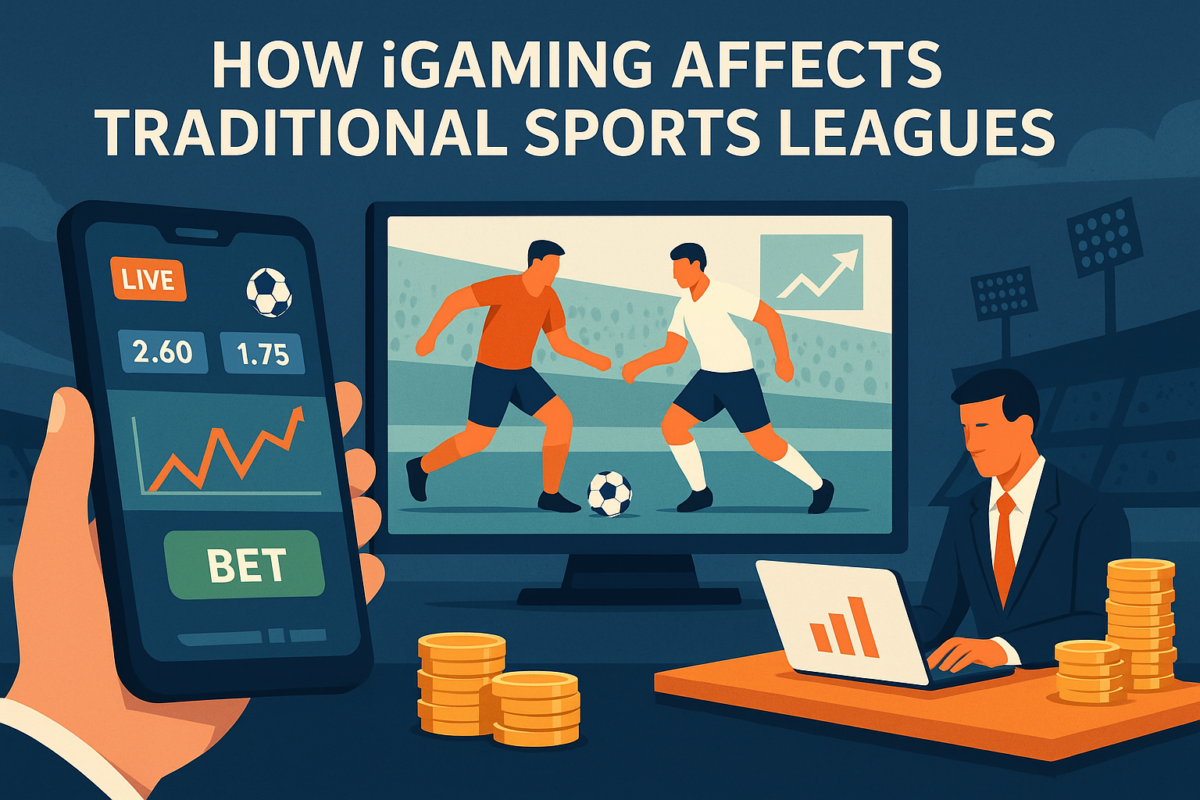
The connection between iGaming and traditional sports is closer than ever. Stadiums, fans, and digital platforms now share the same financial pulse. This article explains how digital play affects sponsorship, viewership, and even player contracts. Services offering live horse betting at 1xBet highlight how new digital habits overlap with classic sports traditions. Fans engage with odds, and also mobile wallets, and instant data feeds, creating opportunities and risks for long-established leagues.
Sports bodies are under pressure to adapt revenue models in the digital age. That pressure shows how iGaming is no longer an extra but a central driver of sports finances.
Shifts in Fan Engagement
Fans today seek more than scores. They track statistics, and also player movements, and tactical shifts in real time. iGaming platforms connect them emotionally and financially to every minute of play. Leagues use this intensity to boost ticket sales, merchandise, and streaming services.
Global Fan Engagement Growth (indexed, 2018=100)
| Year | Index |
| 2018 | 100 |
| 2020 | 118 |
| 2023 | 145 |
| 2025 | 168 |
Revenue Streams for Leagues
Traditional sponsors such as airlines and beverages once dominated. Today digital partners claim the spotlight with naming rights, stadium activations, and exclusive streaming deals. Media rights are becoming the backbone of league finances.
Athlete Branding and Contracts
Athletes have become digital assets. Personal image rights now include exposure across online platforms. Some contracts adjust salaries to social reach and digital activation potential. This creates both higher earnings and new risks for players who underperform online.
Leagues are investing in technology to keep up with demand. High-definition streams are now standard, while augmented reality is entering fan zones. Broadcasters deliver interactive data, allowing viewers to customise match statistics. One long sentence is useful here: multiple screens, augmented overlays, and financial data feeds converge to create immersive experiences that tie traditional matches with digital interactivity.
Technology Use in Sports Broadcasting (%)
| Technology | 2019 | 2022 | 2025 forecast |
| HD Streaming | 60 | 78 | 90 |
| Augmented Reality | 5 | 15 | 28 |
| Interactive Apps | 20 | 37 | 55 |
How Sponsorship Models Change
The balance of sponsorship has shifted. Instead of relying on long-term contracts, leagues experiment with short-term digital activations. Companies demand flexibility, quick returns, and measurable online exposure.
Five main drivers of sponsorship change:
- Digital platforms want measurable reach, not static banners.
- Short-term deals replace decade-long contracts.
- Fans respond more to interactive sponsorship than passive visibility.
- Revenue increasingly comes from cross-platform campaigns.
Impact on Grassroots Sports
Funds once reserved for community programs now flow into digital sponsorship. Leagues must find ways to protect grassroots structures. Some organisations redirect portions of digital revenue to training academies and infrastructure. This ensures a balance between elite spectacle and local support.
Data as the New Currency
Every click, stream, and ticket sale generates data. Leagues trade this information for better sponsorship deals. Data also helps optimise schedules, predict injuries, and personalise fan offers. Another long, complex sentence fits: sports organisations integrate biometric data, fan engagement records, and digital interactions to build comprehensive value propositions that appeal to global partners across industries.
Future sports will feature more hybrid models. Blockchain ticketing, augmented stadium experiences, and personalised streaming subscriptions are already under development. Partnerships between leagues and digital platforms will grow deeper.
Digital era
iGaming is shaping how traditional sports survive and thrive in a digital era. Leagues now rely on digital platforms for revenue, and also fan engagement, and global exposure. Athletes sign contracts that reflect online popularity as much as physical performance. Broadcasters integrate technology to make matches interactive. Traditional sports still provide the drama, but iGaming provides the fuel. Together they form the new reality of professional competition.

We have recently deactivated our website's comment provider in favour of other channels of distribution and commentary. We encourage you to join the conversation on our stories via our Facebook, Twitter and other social media pages.

More from Peoples Gazette

States
Independence: NBA urges Nigerians to expect better future
The NBA said that ordinary Nigerians should be deriving benefit from the subsidy removal rather than hardship.

Agriculture
FG tasks ECOWAS on leveraging financing strategies for agroecology
The federal government has urged stakeholders in the agriculture and finance sectors in the West Africa region to leverage financing strategies to enhance agroecology practices

Politics
Katsina youths pledge to deliver over 2 million votes to Atiku
“Katsina State is Atiku’s political base because it is his second home.”

States
Enugu CP orders probe into alleged shooting at NDC secretariat
The police said the alleged shooting took place on Saturday, October 10, at about 2:30 p.m.

Africa
Insecurity displaces four million people across Burkina Faso, Mali, Niger says UN
Mr Gnon-Konde said approximately 60 to 65 per cent of the region’s population was younger than 25.
Faith
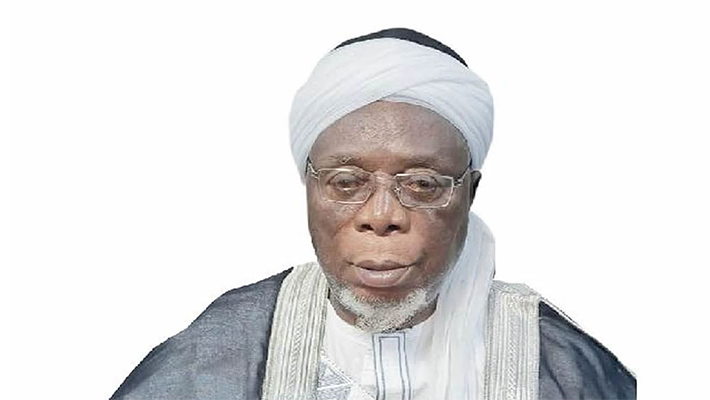
Ijebu chief imam cautions worshippers against immodest dressing, hairstyles during prayers
The Chief Imam of Ijebuland, Miftaudeen Gbadegesin Ayanbadejo, has urged worshippers to avoid indecent dressing, particularly dreadlocks, plaited hairstyles, earrings and tattoos among men, during congregational
Africa
South Sudan jails soldier 10 years for killing UN worker
According to UNMISS, the victim, was abducted and killed on December 15, 2025.
Africa
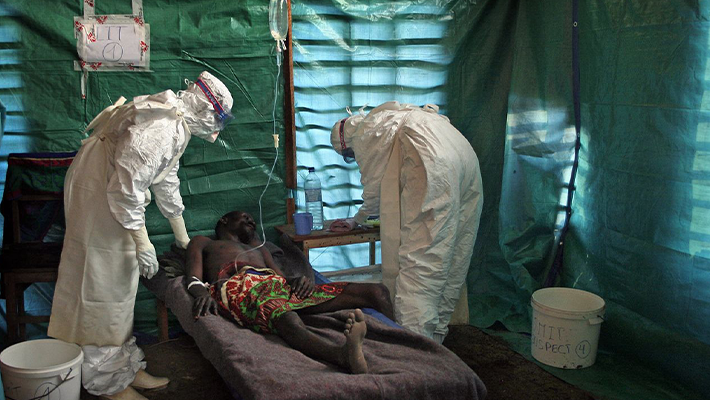
Ebola deaths hit 4,242 as cases rise to 8,787 in DR Congo: WHO
As of October 7, the outbreak had recorded 8,787 cases, 4,242 confirmed deaths and 2,292 recoveries.

World
Oyedele leads Nigeria delegation to IMF annual meeting
The meetings, scheduled for October 12 to October 18, will be attended by delegations from more than 190 countries.


