

Experts advise FG to unlock $60 billion wealth in logistics sector
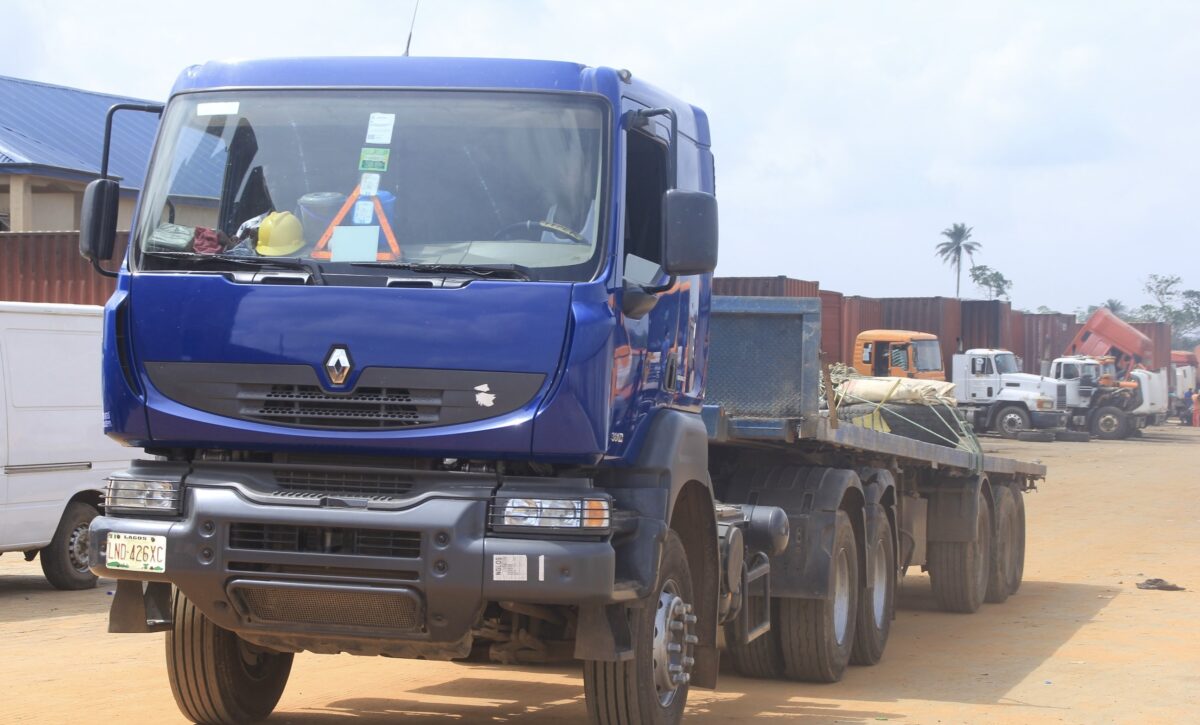
Logistics leaders and policymakers on Friday urged the Federal Government to harness the nation’s $60 billion logistics sector to drive wealth creation and jobs.
They made the call in Lagos at the CLMI International Conference and Investiture 2025, stressing the underused role of courier, logistics, transport, and management in economic growth.
Chairman, Courier and Logistics Management Institute (CLMI), Prof. Simon Emeje, said research showed the industry held immense potential if given proper regulatory attention and government backing.
He said during his welcome address, “This is an industry with a global capacity of not less than $60 billion in market value. Coming down to Nigeria, we have a market value of not less than N3.5 trillion, which is around $60 billion today.”
He noted that a fully optimised logistics sector could generate “not less than 50 per cent of the annual budget of any country, including Nigeria.”
MrEmeje lamented that many logistics firms had collapsed due to poor operating conditions and a weak regulatory framework that still merged regulation with operations.
He described the arrangement as “not professionally acceptable” and called for urgent reform of government policies guiding the sector.
Mr Emeje said recent US tariffs on AGOA products should push African nations to look inward and strengthen local value creation.
“Africa is rich in every resource you can think of. What we must do is look at ourselves again,” he said.
He also pointed to African Continental Free Trade Agreement (AfCFTA) as a major opportunity for intra-African expansion and industry growth.
Chairman of the occasion, Senator Aliyu Bilbis, said logistics had become the backbone of Nigeria’s industrial development and job creation prospects.
He said the sector was worth about N25 trillion and currently contributed at least 4.5 per cent to the national GDP.
Mr Bilbis said logistics, trade, and distribution were being reshaped by digital tools that improved productivity and delivery efficiency.
He urged government to prioritise the sector because of its central role in enterprise development and national security.
Delivering the keynote, Chairman, Nigeria Port Authority (NPA), Senator Adebayo Adeyeye, said over 80 per cent of Nigeria’s international trade remained maritime based.
Mr Adeyeye, represented by Mr Bosun Oladele, a director at NPA, Bosun Oladele, said “Logistics has become the new frontier of wealth creation and national competitiveness.”
Mr Adeyeye said entrepreneurs powered the logistics ecosystem, while the NPA was driving port digitisation and e-customs integration to cut delays.
He cited infrastructure modernisation, better access routes, and deeper channels for larger vessels as key areas under the current reforms.
Mr Adeyeye also emphasised wider PPP participation to boost logistics capacity beyond coastal ports nationwide.
He called on banks to design specialised financing for the maritime and logistics sectors and urged universities to improve logistics education.
The conference also saw the convocation of PhD graduates in logistics from Paul’s Greek University, reflecting CLMI’s push to professionalise the industry.
Key business leaders, including Alishan Abari of the Indonesian-Nigeria Chamber of Commerce, pledged full support for the sector’s professionalisation.
President, Association of Nigeria Courier and Logistics Operators, Okey Uba, closed the event by urging sustained advocacy for an independent regulator, saying the fight had lasted many years.
(NAN)

We have recently deactivated our website's comment provider in favour of other channels of distribution and commentary. We encourage you to join the conversation on our stories via our Facebook, Twitter and other social media pages.

More from Peoples Gazette

States
Independence: NBA urges Nigerians to expect better future
The NBA said that ordinary Nigerians should be deriving benefit from the subsidy removal rather than hardship.
Agriculture
FG tasks ECOWAS on leveraging financing strategies for agroecology
The federal government has urged stakeholders in the agriculture and finance sectors in the West Africa region to leverage financing strategies to enhance agroecology practices

Politics
Katsina youths pledge to deliver over 2 million votes to Atiku
“Katsina State is Atiku’s political base because it is his second home.”

Health
MRTB develops national standards for postgraduate physiotherapy specialisation
MRTB says it is developing national standards for postgraduate clinical specialisation to regulate advanced physiotherapy practice and strengthen professional capacity.

World
U.S. indicts three Iranian-backed operatives over terror plots across U.S., Europe
The DOJ listed key suspects Mohammad Baqer Saad Dawood al-Saadi, Mohsen Mohajeri and Mohammad al-Hassani as alleged masterminds behind the plot.
Abuja
INEC trains, prepares Abuja staff for 2027 elections
The Independent National Electoral Commission Federal Capital Territory Office held its quarterly electoral learning session for FCT headquarters staff.

States
Police capture Black Axe cultists over butchering of Delta resident
The police command in Delta says it arrested five suspected cult members over the killing of a young man butchered with a machete.

States
Ibadan lady arraigned for theft
A 22-year-old, Rofiat Hammed, was arraigned before the Iyaganku Magistrate’s Court in Ibadan on Wednesday on charges of allegedly stealing N1.4 million.
Health
Poor investment in preventive health worsening disease burden: EHCON
EHCON attributed the country’s persistent burden of communicable diseases to inadequate investment in preventive health services by state and local governments.


