

ActionAid urges stronger commitment to end gender-based violence

ActionAid has called on governments, civil society, the private sector, the media, development partners and community leaders to intensify efforts to prevent and respond to all forms of gender-based violence.
ActionAid Nigeria (AAN) country director, Andrew Mamedu, made the call at the multi-stakeholder dialogue on technology-facilitated gender-based violence (TF-GBV) on Friday in Abuja.
The dialogue was convened by the Development Partners Group on Gender (DPGG), in collaboration with other stakeholders, to commemorate the 2025 16 Days of Activism.
Mr Mamedu said, “Let us resource and advance the aspirations of the DPGG Gender Strategy and work together to build digital-safe spaces where women and girls can thrive without fear.
“Let 2025 be a turning point, a year of stronger collaboration, solidarity and decisive action to end GBV in Nigeria”.
He assured that ActionAid’s commitment to ending all forms of GBV, including TF-GBV, remained firm.
He said the organisation works in communities to challenge harmful norms, support survivors, strengthen access to justice, engage men and boys, and build the capacity of women-led organisations.
According to him, the organisation recognises both the opportunities and risks of digital platforms and remains committed to ensuring that technology empowers rather than harms women and girls.
The country director acknowledged the relevance of the DPGG in advancing gender equality in Nigeria.
“Its mission and efforts have continued to guide coordination, policy influence, institutional strengthening, and accountability efforts across Nigeria.
“Its strategic roadmap remains vital for aligning partners, government and civil society toward eliminating GBV and advancing gender equality,” he said.
Niri Goyit, Women’s Rights Programme Specialist at AAN, defined TF-GBV as an act of GBV that is committed, assisted, amplified or aggravated in part or in whole with the use of digital technologies and communication.
In a technical presentation, Ms Goyit listed types of TF-GBV to include impersonation, image-based abuse, cyberbullying, cyberstalking, doxxing, sextortion, deep fakes and cyber flashing.
She said between 16 and 58 per cent of women globally have faced some form of TF-GBV.
Ms Goyit added that 45 per cent of women have experienced cyberstalking, especially women in public roles.
“Nigeria’s internet adoption has grown faster than the safeguards needed to protect users. Survivors as young as 14 now seek help,” she said.
(NAN)

We have recently deactivated our website's comment provider in favour of other channels of distribution and commentary. We encourage you to join the conversation on our stories via our Facebook, Twitter and other social media pages.

More from Peoples Gazette

Agriculture
FG tasks ECOWAS on leveraging financing strategies for agroecology
The federal government has urged stakeholders in the agriculture and finance sectors in the West Africa region to leverage financing strategies to enhance agroecology practices

Politics
Katsina youths pledge to deliver over 2 million votes to Atiku
“Katsina State is Atiku’s political base because it is his second home.”

Diaspora
Nigerian national Chukwunonso Uzoma-Eze nabbed for killing U.S. football player
A Nigerian, Chukwunonso Uzoma-Eze, has been arrested and charged with the murder of University of Massachusetts Dartmouth football player Marvins Antoine.
Agriculture
Agric minister urges investment in plant breeding, institutional partnerships for food security
Abubakar Kyari has called for increased investment in plant breeding innovations, agricultural research, and institutional partnerships to achieve food security.
Health
Nigeria, partners seek country-led AI adoption to accelerate malaria elimination
Health leaders, development partners and diagnostics experts called for country-led adoption of AI and other technologies to accelerate malaria elimination.
World
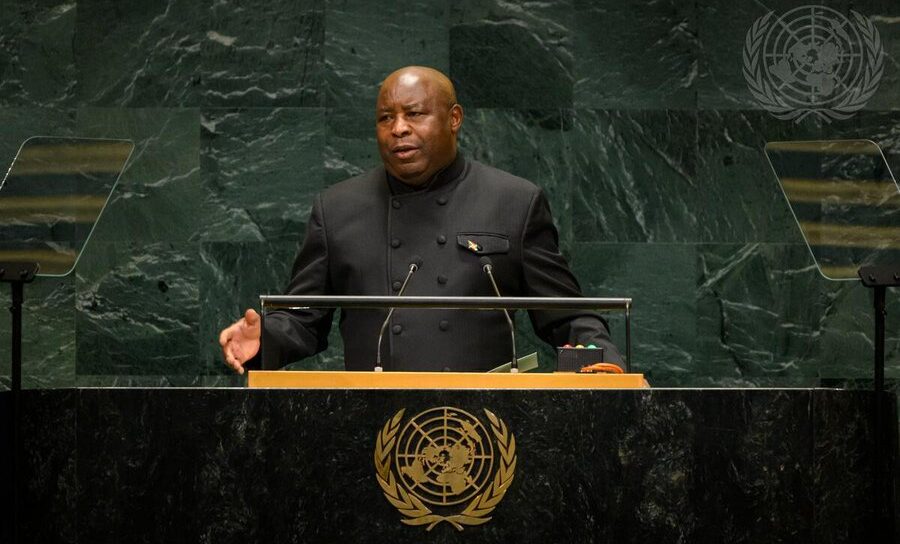
Burundi seeks Africa’s inclusion as permanent member UN Security Council
Burundi’s President Evariste Ndayishimiye has called for Africa’s permanent inclusion on the Security Council, saying it would build trust between Africa and other continents.
Abuja
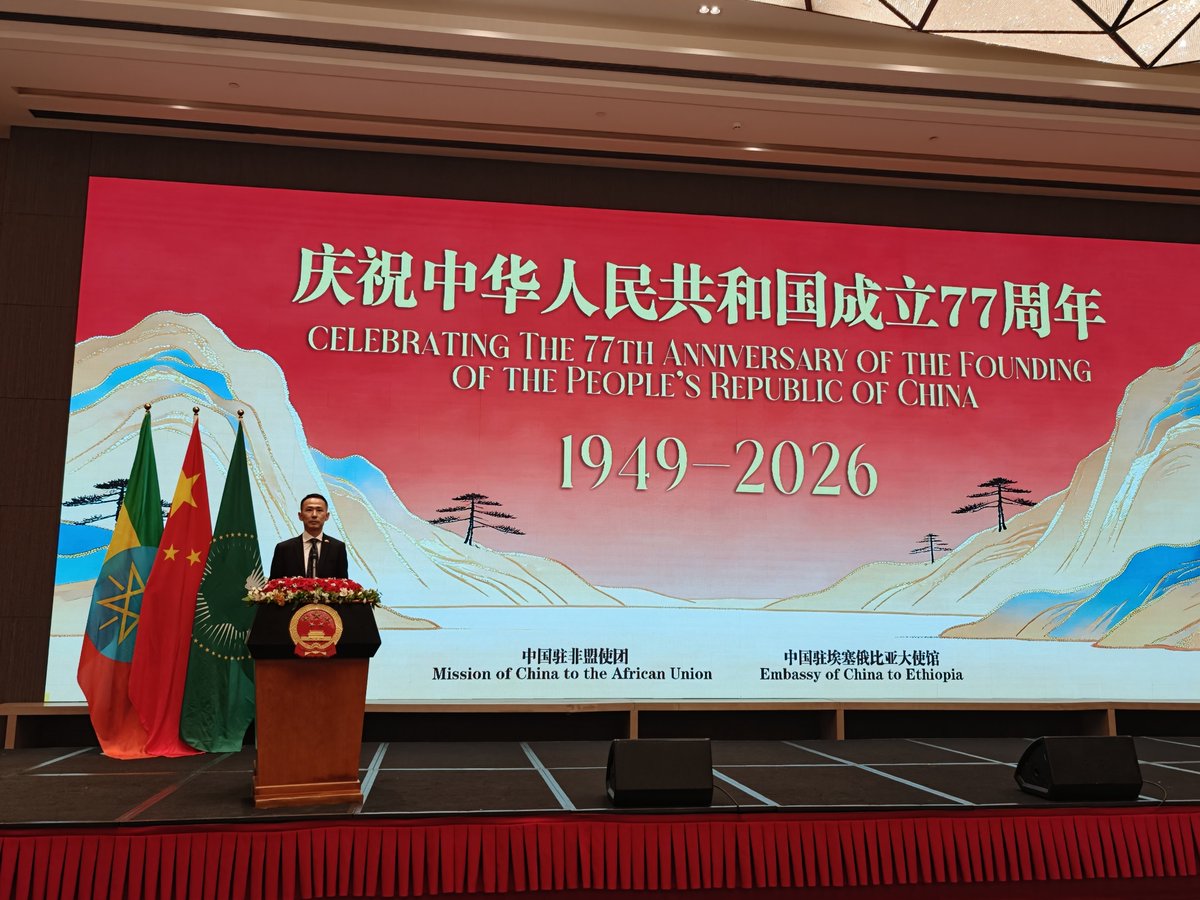
China, Nigeria reaffirm commitment to strengthening bilateral relations
China and Nigeria reaffirmed commitment to deepening bilateral relations, focusing on trade, investment, industrialisation, energy, technology, and people-to-people exchanges.
Economy
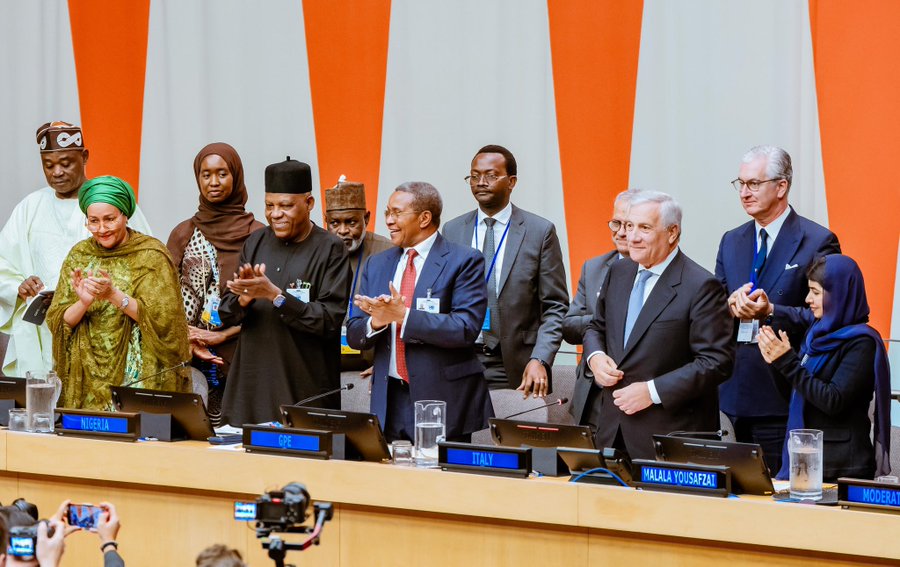
UNGA81: Nigeria, Italy collaborate to implement $5 billion global education funding
Nigeria and Italy have strengthened collaboration to implement the proposed GPE financing campaign targeted at mobilising five billion dollars for education financing worldwide.


