

Designating Nigeria as country of particular concern won’t weaken bilateral relations: U.S.

The U.S. designation of Nigeria as a ‘country of particular concern’ aims to encourage reforms and constructive engagement and will not weaken bilateral relations with Nigeria.
A U.S. congressional delegation led by Bill Huizenga said this during a news conference on Sunday in Abuja at the end of a two-day visit to Nigeria.
The news conference followed their meetings with Nigerian government officials, religious leaders, civil society organisations, and private sector representatives.
The visit was sequel to President Donald Trump’s designation of Nigeria in October as a CPC over alleged threats to religious freedom.
Mr Huizenga stressed that the delegation’s mission was about “listening, learning, and holding frank conversations” about the issues that led to Nigeria’s redesignation as a CPC.
“For me personally, I believe the CPC designation is warranted, but it is also meant to spur progress and internal conversations within Nigeria on how to better protect people of all faiths,” Mr Huizenga said.
He said their discussions with Nigerian officials suggested the designation had already prompted renewed focus on addressing violence and improving the protection of religious freedom.
Mr Huizenga acknowledged concerns raised by various groups over attacks in parts of the Middle Belt, while also pointing to significant violence affecting Muslim communities in the North-East and North-West.
“The core message is that all citizens, regardless of faith, must be protected and feel safe,” he said.
According to him, the U.S. has both a strategic and moral interest in supporting Nigeria’s efforts to address insecurity.
Other members of the delegation described the CPC designation as a temporary tool designed to motivate positive change, subject to regular review.
Keith Self, a senior member of the House Foreign Affairs Committee, said the CPC designation should be seen as an opportunity to deepen engagement rather than a breakdown in relations.
“This does not have to be a negative,” Mr Self said. “It can be a positive starting point for a deeper and more honest relationship between the United States and Nigeria.”
Drawing on his experience in Europe, Self said he had observed growing similarities between Nigeria’s current challenges and those faced by several European countries.
“I spent eight years working on European issues, and many of the problems Nigeria is dealing with today are similar to what Europe has faced,” he said.
He cited mass migration, security pressures, and the strain that such factors usually place on democratic institutions.
Mr Self said that stability was essential for prosperity, stressing that Nigeria’s ability to tackle violence would be critical to its long-term economic and democratic success.
Michael Baumgartner said the visit was intended to reassure vulnerable communities that their plight had not gone unnoticed.
“I hope that the trip gives the Christian community in Nigeria hope that they’re not alone. Also, the world is watching the actions of the Nigerian government to make sure they’re safe,” said Mr Baumgartner.
Another member of the delegation, Jefferson Shreve, described the visit as an investment in Nigeria rather than an investigation.
“This trip has been about listening and learning. We want to be helpful, and we want to see Nigeria succeed, because Africa cannot be successful unless Nigeria is successful,” Mr Shreve said.
The lawmakers said their findings would be reported to their colleagues in Washington. The recommendations, they said, would focus on sustained engagement, increased dialogue, and targeted support rather than military intervention.
They also lauded the openness of Nigerian officials during the meetings and expressed optimism that ongoing collaboration could lead to tangible progress in addressing violence and strengthening democratic institutions.
The delegation also reaffirmed bipartisan support in the U.S. Congress for a stable, prosperous Nigeria and pledged their continued engagement in the months and years ahead.
Mr Trump had threatened to deploy U.S. troops in Nigeria, targeting terrorists, if the Nigerian government failed to “move fast”.
(NAN)

We have recently deactivated our website's comment provider in favour of other channels of distribution and commentary. We encourage you to join the conversation on our stories via our Facebook, Twitter and other social media pages.

More from Peoples Gazette

States
Independence: NBA urges Nigerians to expect better future
The NBA said that ordinary Nigerians should be deriving benefit from the subsidy removal rather than hardship.

Agriculture
FG tasks ECOWAS on leveraging financing strategies for agroecology
The federal government has urged stakeholders in the agriculture and finance sectors in the West Africa region to leverage financing strategies to enhance agroecology practices

Politics
Katsina youths pledge to deliver over 2 million votes to Atiku
“Katsina State is Atiku’s political base because it is his second home.”

Faith
Church chains Jesus’ statue to prevent another fall after killing Ecuadorian priest
This was captured in a viral video on social media showing the church taking the extra precaution by securing the crucifix with chains.

States
Ogun man arrested, arraigned for stealing iron rods
A 23-year-old man, Michael Gbadero, stood before an Abeokuta Magistrates’ Court in Isabo on Monday, accused of stealing iron rods worth N460,000.
World
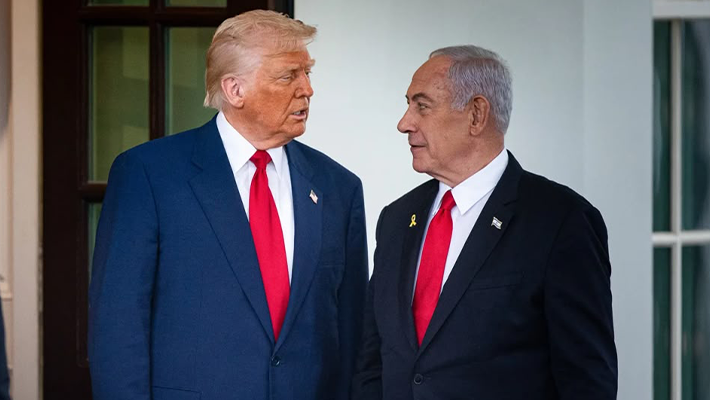
Trump endorses Netanyahu for re-election as Israel’s PM
President Donald Trump has endorsed the re-election bid of Prime Minister Benjamin Netanyahu, urging Israelis to vote for him.
World
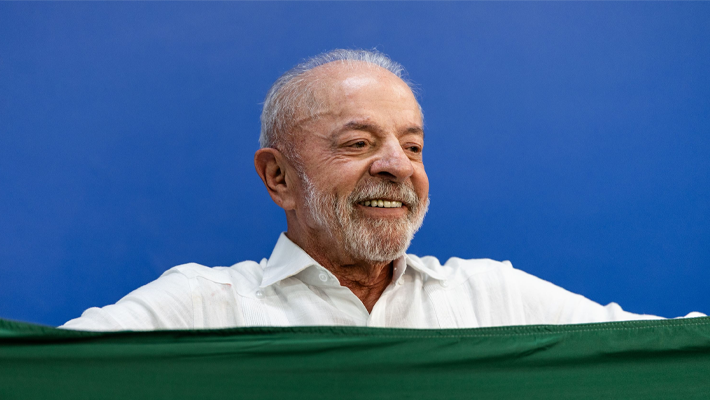
World leaders react to Lula’s presidential election victory
World leaders on Monday congratulated Brazil President Luiz Lula da Silva for his victory in Sunday’s presidential election runoff.
![Governor Sheriff Oborevwori [Photo: Facebook Sheriff]](https://gazettengr.com/wp-content/uploads/Governor-Sheriff-Oborevwori-Photo-Facebook-Sheriff-1.png)
States
Delta govt mourns mother of WTO director-general
Governor Sheriff Oborevwori has commiserated with the Okonjo family of Ogwashi-Uku, Aniocha South council area, over the death of their matriarch, Kamene Okonjo.
Health
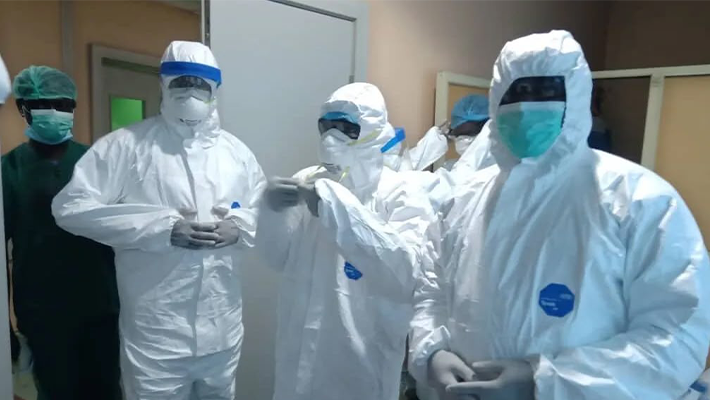
Nigeria no longer has Ebola, says WHO
WHO’s regional director for Africa says Nigeria is Ebola-free following the medical evacuation of the patient and her husband to Switzerland.


