

WHO urges Nigeria, other nations to increase taxes on sugary drinks, alcohol

The World Health Organisation has called on governments to significantly increase taxes on sugary drinks and alcohol to save lives.
WHO warns that beverages like sugary drinks and alcohol are too accessible and cost too little in most of the world, helping fuel obesity, diabetes, cancer, and injury.
“Health taxes have been shown to reduce consumption of these harmful products, helping to prevent disease and reduce the burden on health systems,” WHO director-general Tedros Ghebreyesus told journalists virtually on Tuesday. “At the same time, they generate an income stream that governments can use to invest in health, education, and social protection.”
Among other findings, the report on sugar-sweetened beverage taxes shows that at least 116 countries tax sugary drinks.
It added that sodas and other carbonated canned drinks, high-sugar products such as 100 per cent fruit juices, sweetened milk drinks, and ready-to-drink coffees and teas, are exempt from taxation.
The report on alcohol taxes shows that 167 countries levy taxes on liquor, wine, and beer.
It, however, noted that alcohol has become more affordable or remained unchanged in price in most countries since 2022, as taxes are not adjusted for inflation or income growth.
“A cold and sweet pick-me-up from your local coffee shop on a hot day can have detrimental consequences, if consumed regularly,” it stated.
Increased intake of sugary drinks is associated with risks of excess weight and obesity, Type 2 diabetes, cardiovascular disease, and other adverse effects, including dental caries and osteoporosis, it said.
The negative health impacts of alcohol include increased maternal and child health risks, exposure to communicable and noncommunicable diseases, damage to mental health, and an increased likelihood of injury to oneself and others.
Increasing taxes on harmful beverages reduces consumption.
To illustrate the success of this approach, the WHO chief cited multiple examples, including the UK, which introduced a tax on sugary drinks in 2018.
This led to reduced sugar consumption, a 338 million pounds revenue increase in 2024 alone, and lower obesity rates in girls aged 10 and 11, especially in deprived communities.
WHO also called on governments to raise and redesign taxes as part of a new health initiative targeting tobacco use and excessive consumption of alcohol and sugary drinks.
(NAN)

We have recently deactivated our website's comment provider in favour of other channels of distribution and commentary. We encourage you to join the conversation on our stories via our Facebook, Twitter and other social media pages.

More from Peoples Gazette

States
Independence: NBA urges Nigerians to expect better future
The NBA said that ordinary Nigerians should be deriving benefit from the subsidy removal rather than hardship.

Agriculture
FG tasks ECOWAS on leveraging financing strategies for agroecology
The federal government has urged stakeholders in the agriculture and finance sectors in the West Africa region to leverage financing strategies to enhance agroecology practices

Politics
Katsina youths pledge to deliver over 2 million votes to Atiku
“Katsina State is Atiku’s political base because it is his second home.”
Politics
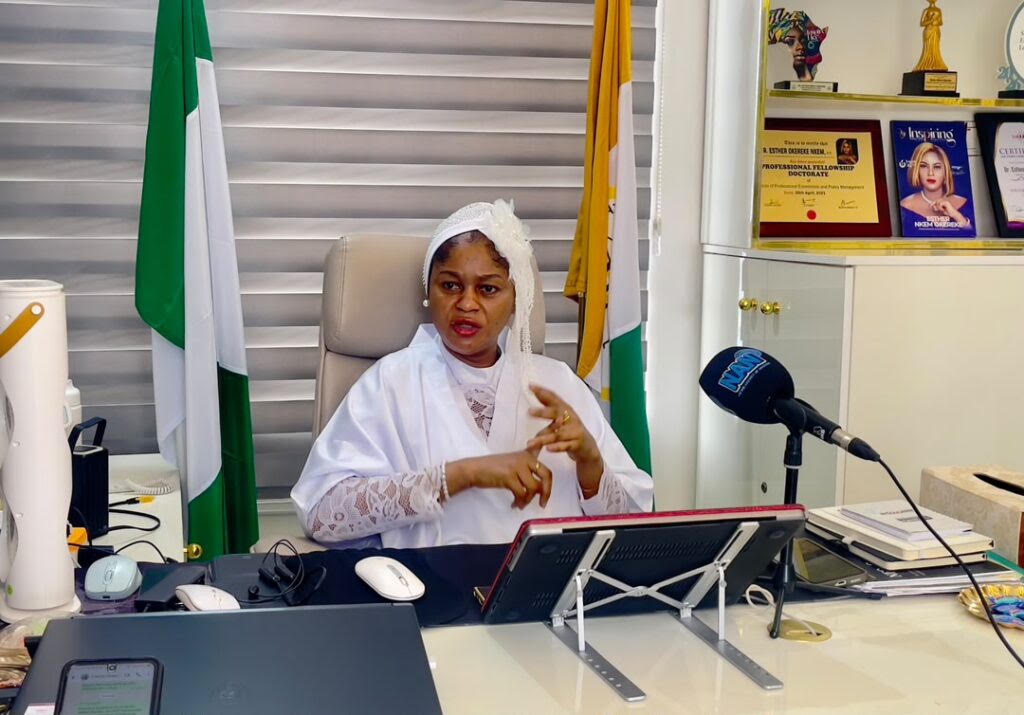
2027: I’m not intimidated by Tinubu, Atiku, Obi, says NRM presidential candidate
Ms Okereke expressed confidence in her capacity and the party’s vision to rebuild the country.
Hot news Home top
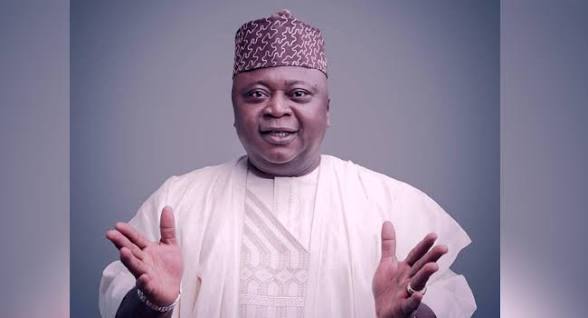
Ladi Adebutu assures supporters of contesting 2027 election, says APC influenced INEC omission
INEC removed the name of Mr Adebutu from its final list of governorship candidates published on Saturday.
Heading 2
2027: 241 candidates to contest 36 positions in Cross River
According to INEC’s final list of candidates, eight candidates are vying for the governorship seat.

Heading 4
NSDC targets over two million tonnes of sugar production through 13 projects
The projects comprised three existing operators and 10 proposed new sugar estates across eight states.

Heading 5
2027: APC chieftain urges Atiku, Obi to make realistic campaign promises
He said the promise by Mr Abubakar and Mr Obi to restore fuel subsidy was unrealistic.

Heading 2
Army arrests suspected terrorist leader, rescues 26 human trafficking victims
The report revealed that the operations also led to the recovery of firearms and ammunition.


