


Stakeholders seek better welfare for magistrates in Kaduna, Kano, Katsina
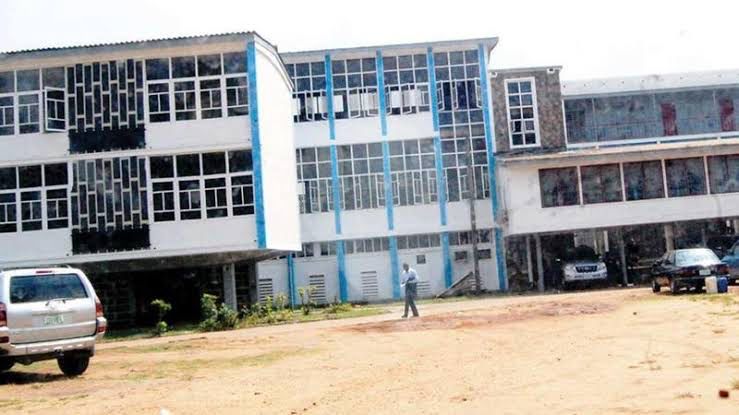
Recent debates around the disturbing poor welfare of magistrates across Nigeria have shown that improving their welfare across the board is a game-changer for Nigeria’s justice system.
The Magistrates Association of Nigeria has been pushing for improved welfare packages, including judicial autonomy, official vehicles, higher salaries, and better working conditions.
With improved welfare, magistrates can focus on delivering quality justice, and that means a fairer deal for Nigerians.
The Nigerian Bar Association has also been backing these demands, saying they are key to effective justice delivery. According to the NBA, the impact includes faster case resolution, reduced corruption, increased public trust, and an efficient justice system.
In Kaduna, stakeholders have expressed concern about what they described as a wide welfare gap between magistrates and high court judges.
A Kaduna-based legal practitioner, Sani Ibrahim, said that although magistrates handle a significant percentage of criminal and civil matters, their welfare package falls short when compared with that of high court judges.
He said: “In Kaduna, high court judges are provided with official vehicles, official accommodation and enhanced security details. Many magistrates, however, do not enjoy similar privileges despite their heavy caseload.”
According to him, some magistrates commute to court without official transport, a situation he described as “inconsistent with the dignity of the judicial office”.
A senior magistrate in Kaduna, who spoke on the condition of anonymity, said, “While we recognise the constitutional status of High Court judges, magistrates remain the first line of justice delivery. Yet, in terms of remuneration, official quarters and other benefits, the gap is quite significant.”
The magistrate said that improving welfare at the magistracy level would enhance morale and reduce operational challenges in the lower courts.
In Kano, the judiciary says a lack of genuine financial and judicial autonomy at the state level is forcing lower courts to rely on irregular funding, thereby affecting the welfare and performance of magistrates.
The spokesperson for the Kano judiciary, Baba Jibo-Ibrahim, disclosed this while highlighting the challenges facing magistrates.
Mr Jibo-Ibrahim said Kano currently had 55 magistrates, stating that some of them commute to their courts using public transportation.
He said the development was due to the lack of accommodation, logistical and infrastructural deficits within the judicial system, which expose magistrates to security risks, including travelling alongside litigants.
“Yes, it is true that some magistrates go to their respective courts using public transport. Local government magistrates are particularly affected by this infrastructural deficit,” he said.
According to him, the welfare of magistrates is significantly worse than that of high court judges. He attributed the disparity to the lack of genuine financial autonomy for the judiciary at the state level, which forces lower courts to depend on erratic funding from the executive branch.
“This situation had resulted in salary disparities, absence of official vehicles, lack of accommodation and, in some cases, dilapidated and unsafe working environments for magistrates,” he said.
Mr Jibo-Ibrahim, however, said the Kano government had recently focused on improving the welfare of judicial officers, including magistrates, through enhanced welfare packages and implementation of financial autonomy. He said that the key initiatives introduced between 2023 and 2026 included housing provision, improved allowances, financial support, vehicle provision and a proposed salary review expected in 2026.
Mr Jibo-Ibrahim said the initiatives were aimed at improving working conditions and ensuring judicial independence in Kano.
Mr Jibo-Ibrahim stressed that improving magistrates’ welfare was essential to maintaining an effective, independent and incorruptible judiciary. He urged the relevant authorities to enhance financial compensation and security arrangements for magistrates and to ensure prompt payment of benefits.
Mr Jibo-Ibrahim also commended the chief judge of Kano, Dije Aboki, for efforts to ensure improved welfare standards, including the introduction of special allowances for magistrates to enable them to discharge their duties effectively.
The poor state of magistrates’ welfare is not different in Katsina.
(NAN)

We have recently deactivated our website's comment provider in favour of other channels of distribution and commentary. We encourage you to join the conversation on our stories via our Facebook, Twitter and other social media pages.

More from Peoples Gazette

Agriculture
FG tasks ECOWAS on leveraging financing strategies for agroecology
The federal government has urged stakeholders in the agriculture and finance sectors in the West Africa region to leverage financing strategies to enhance agroecology practices

Politics
Katsina youths pledge to deliver over 2 million votes to Atiku
“Katsina State is Atiku’s political base because it is his second home.”

Entertainment
U.S. singer D4vd’s lawyers withdraw from murder case
The attorneys did not give any reason for withdrawing from the case.

Entertainment
Lionel Richie hospitalised in ICU after St. Louis concert
The 77-year-old checked himself into a local hospital after he ran some tests.

States
2027: Gov. Otti urges greater unity among LP stakeholders
The governor said unity and peaceful collaboration were essential to sustaining development in the area.

Heading 1
TCN announces maintenance at Ajaokuta transmission substation
The exercise would begin from 10 a.m. to 3 p.m. on Tuesday, September 1, 2026.
States
Kano assembly passes bill to establish economic planning, development council
The majority leader explained that the council would be chaired by the state governor.
Heading 2
Six suspects arrested for alleged vandalism, theft from Kebbi INEC office
The police spokesperson urged members of the public to remain vigilant.


