

70% of Nigerians living with epilepsy are untreated, neurological scientists say

The Nigerian Society of Neurological Sciences (NSNS) has raised an alarm over Nigeria’s widening epilepsy treatment gap.
The society disclosed this on Monday in a communiqué issued at the end of its 58th Annual Scientific Conference and General Meeting held between February 10 and 12 in Kano.
The communiqué was signed by the president of the society, Morenikeji Komolafe; the secretary, Iwuozo Emmanuel; and the chairman of the Local Organising Committee, Lukman Owolabi.
According to the communiqué, more than 70 per cent of people living with epilepsy in the country are not receiving appropriate anti-seizure medications.
With an estimated epilepsy prevalence of between eight and 13 per 1,000 population in Nigeria—translating to nearly two to three million people affected—experts warned that the country faces a major public health and social challenge if urgent policy interventions are not implemented.
The conference, themed ”Bridging Gaps in Epilepsy Care: Innovations, Integration and Interdisciplinary Collaboration”, brought together 152 delegates from across the six geopolitical zones and the diaspora.
According to the communiqué, the high treatment gap is driven by poor access to specialists, limited diagnostic facilities, the high cost of medicines, stigma, and weak integration of epilepsy care into primary healthcare services.
It noted that, in line with global epidemiology in low- and middle-income countries, over 70 per cent of persons living with epilepsy in Nigeria were not on appropriate anti-seizure medications.
It described the disease as a preventable crisis, adding that epilepsy was treatable and that patients could achieve seizure control with appropriate medications.
The NSNS, however, said affordability remained a major barrier.
”The cost of anti-seizure medicines is prohibitive, particularly for rural dwellers and low-income households, where out-of-pocket spending dominates health financing.
”Nigeria’s health expenditure remains heavily reliant on household spending, with limited insurance coverage for neurological conditions,” the communique said.
It therefore called for improved financing mechanisms, including stronger integration of epilepsy services into the Basic Healthcare Provision Fund (BHCPF) and expanded coverage under the national health insurance framework.
The society also recommended enhanced collaboration between the government and pharmaceutical companies to ensure availability and subsidisation of anti-seizure medications.
The communiqué noted that, beyond medicines, specialised facilities with modern diagnostic tools for epilepsy evaluation are scarce nationwide.
”Advanced imaging such as 1.5 Tesla and 3.0 Tesla Magnetic Resonance Imaging (MRI) machines are needed for accurate localisation of epileptogenic foci, especially in patients being considered for surgery,” it reported.
It urged the federal government to equip more teaching hospitals and federal medical centres with at least 1.5 Tesla MRI machines while preparing for higher-capacity 3.0 Tesla systems as power supply improves.
It said that advanced imaging modalities required for a comprehensive epilepsy surgery workup, including Positron Emission Tomography (PET) and Single Photon Emission Computed Tomography (SPECT), are largely unavailable in Nigeria.
The communiqué noted that, despite the constraints, the society had made encouraging progress in building local capacity.
It said that only a limited number of epilepsy surgeries have been successfully conducted in Nigeria with good outcomes, demonstrating available expertise in-country.
The society therefore recommended the establishment of dedicated epilepsy centres across the six geopolitical zones to manage complex cases and expand surgical services.
It also emphasised the urgent need to expand specialist training and recruitment, citing shortages of neurologists, paediatric neurologists, neurosurgeons, psychiatrists, psychologists, neuro-nurses, and electroencephalography (EEG) technologists.
”Nigeria currently has fewer than 500 neurologists serving a population of over 200 million, resulting in severe workforce disparities, particularly in rural areas,” it said.
It also noted that cultural misconceptions continue to isolate persons living with epilepsy, limiting education, employment, and social inclusion opportunities.
It therefore called for nationwide awareness campaigns involving federal, state, and local governments, as well as non-governmental organisations, to reduce stigma and promote early care-seeking.
The NSNS also announced that it had developed a national guideline for epilepsy management tailored to Nigeria’s context.
The guideline, it said, should be adopted across all levels of care, from primary healthcare centres to tertiary hospitals, to standardise treatment and improve outcomes.
It quoted Edwin Trevathan of Vanderbilt University, United States, as emphasising the urgent need to close diagnostic and treatment gaps in epilepsy and other neurological disorders in Nigeria during his keynote address.
(NAN)

We have recently deactivated our website's comment provider in favour of other channels of distribution and commentary. We encourage you to join the conversation on our stories via our Facebook, Twitter and other social media pages.

More from Peoples Gazette

States
Independence: NBA urges Nigerians to expect better future
The NBA said that ordinary Nigerians should be deriving benefit from the subsidy removal rather than hardship.

Agriculture
FG tasks ECOWAS on leveraging financing strategies for agroecology
The federal government has urged stakeholders in the agriculture and finance sectors in the West Africa region to leverage financing strategies to enhance agroecology practices

Politics
Katsina youths pledge to deliver over 2 million votes to Atiku
“Katsina State is Atiku’s political base because it is his second home.”
States
Katsina emerged as top-performing state in climate governance: Report
The report evaluated how effectively Nigeria’s 36 states and the Federal Capital Territory govern and implement climate action.

World
Saudi Arabia shutters operations, cancels flights as Houthi militia attacks Riyadh airport
Hostilities between the Houthi militia and Saudi Arabia have escalated in recent weeks.
World
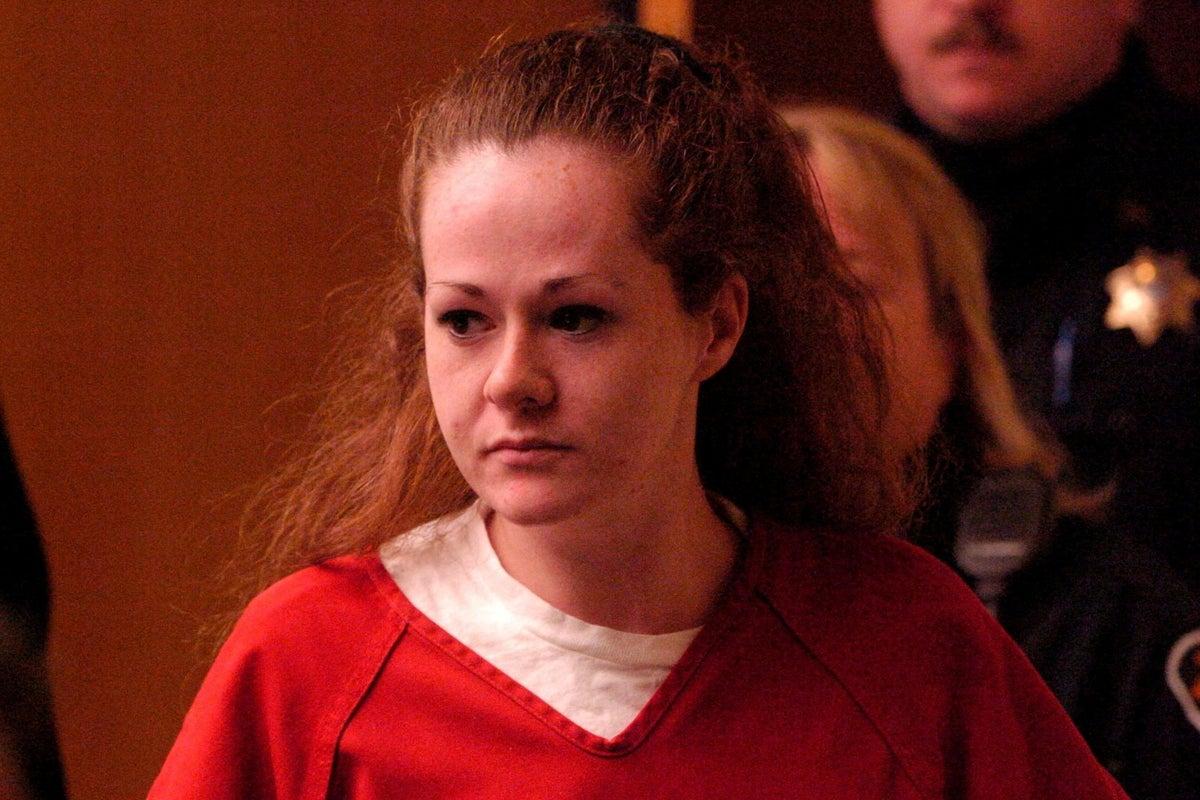
Death row inmate Christa Pike who survived execution discharged from hospital, returned to prison
Ms Pike, 50, returned to the Tennessee women’s prison on Saturday.
Heading 3
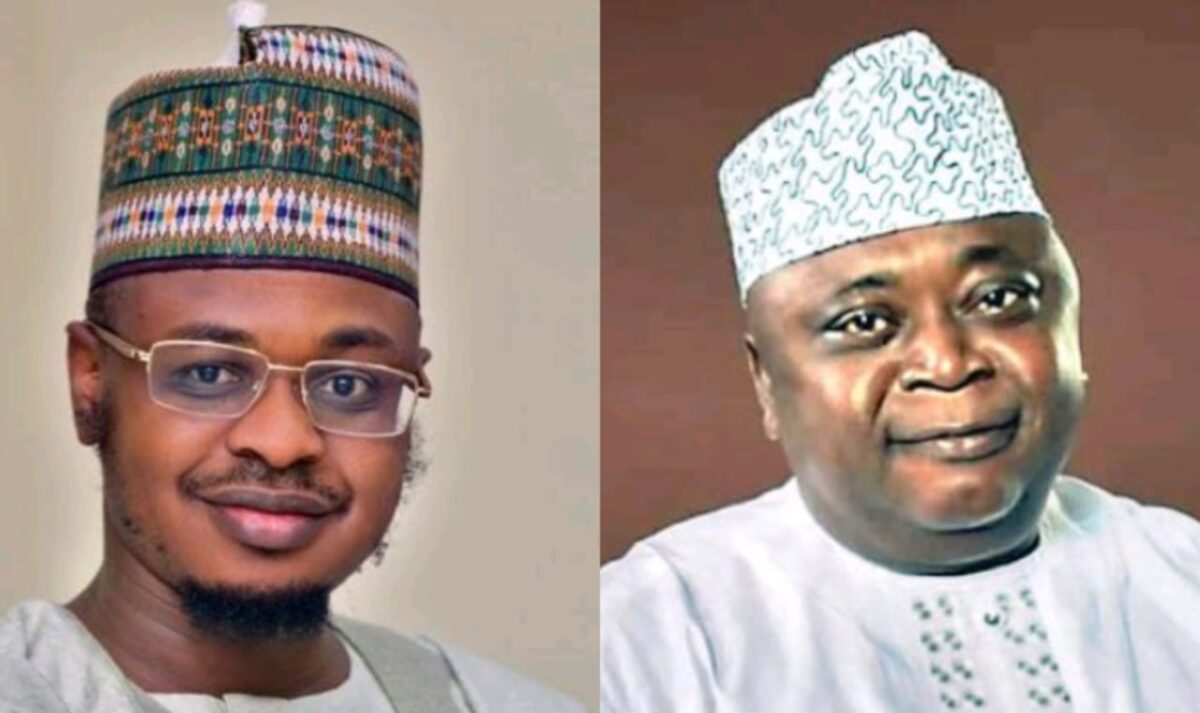
INEC removes Pantami, Adebutu from guber list, keeps mum on Rivers
INEC cited a Supreme Court judgement on party membership as the basis for removing Messrs Pantami and Adebutu from the list.
World
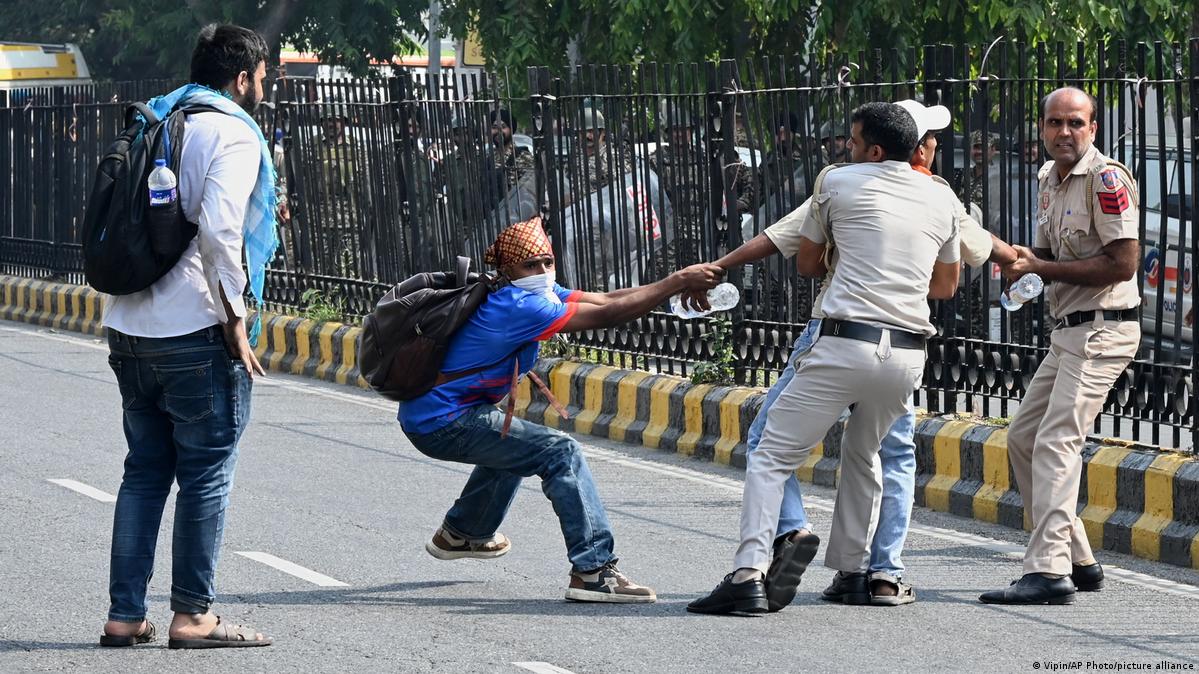
Cockroach Party leader, hundreds of supporters detained as Modi govt cracks down on opposition
Mr Dipke was arrested by the police as soon as his plane touched down at Delhi airport on Saturday.

World
U.S. suspends Microsoft, Adobe from filing for green cards
Labour secretary Keith Sonderling said the suspensions stemmed from ongoing federal investigations into the firms.


