

UN chief pushes for complete decolonisation of Western Sahara, 16 other territories

UN secretary-general António Guterres has pushed for the complete decolonisation of Western Sahara and 16 other territories still under colonial rule.
Mr Guterres urged renewed commitment to completing the unfinished business of ending colonial rule, more than 60 years after the UN launched its formal decolonisation drive.
Opening the 2026 session of the Special Committee on Decolonisation, Mr Guterres stressed that decolonisation had been a core objective of the UN since its earliest days.
”This organisation was created as a place where nations can meet as equals, not as rulers and ruled,” the UN chief said.
He cautioned that the legacy of colonialism continued to shape present-day realities. According to him, the legacy of colonialism has left profound scars through deeply rooted mechanisms of economic exploitation, as well as in the form of racism, inequality and persistent exclusion from the decision-making bodies.
The C-24 was established by the General Assembly in 1961 to monitor progress towards granting independence to territories that have not yet attained “a full measure of self-government”, as defined under Chapter XI of the UN Charter.
Its mandate stems from the landmark 1960 Declaration on the Granting of Independence to Colonial Countries and Peoples.
The UN boss outlined priorities to guide the remaining decolonisation process. He called for inclusive dialogue among non-self-governing territories, administering powers, member states, and all stakeholders.
Mr Guterres also stressed that each case must be addressed individually and in accordance with the UN Charter, the 1960 Declaration, and the relevant resolutions of the General Assembly.
Since 1945, more than 80 former colonies comprising some 750 million people have gained independence. However, Western Sahara and 16 non-self-governing territories, mostly small Island territories in the Caribbean and Pacific, remain on the UN list, home to nearly two million people.
Western Sahara is the last African colony yet to achieve independence and is often dubbed “Africa’s last colony”.
Spain previously colonised the territory as the Spanish Sahara until 1976, when it abruptly withdrew, plunging it into a dispute among Algeria, Morocco and Mauritania.
The territory had been disputed since Spain’s exit. The Sahrawi Arab Democratic Republic, with a government-in-exile in Tindouf, Algeria, currently controls 30 per cent of the territory.
However, Morocco has controlled about 70 per cent of the territory and has reportedly announced plans to end the Western Sahara war after President Donald Trump brokered talks recently.
(NAN)

We have recently deactivated our website's comment provider in favour of other channels of distribution and commentary. We encourage you to join the conversation on our stories via our Facebook, Twitter and other social media pages.

More from Peoples Gazette

States
Independence: NBA urges Nigerians to expect better future
The NBA said that ordinary Nigerians should be deriving benefit from the subsidy removal rather than hardship.

Agriculture
FG tasks ECOWAS on leveraging financing strategies for agroecology
The federal government has urged stakeholders in the agriculture and finance sectors in the West Africa region to leverage financing strategies to enhance agroecology practices

Politics
Katsina youths pledge to deliver over 2 million votes to Atiku
“Katsina State is Atiku’s political base because it is his second home.”


Heading 3
El Niño: Experts warn of heat-related illnesses
She said prolonged heat could cause dehydration, heatstroke, cardiovascular strain and kidney complications.
Heading 4
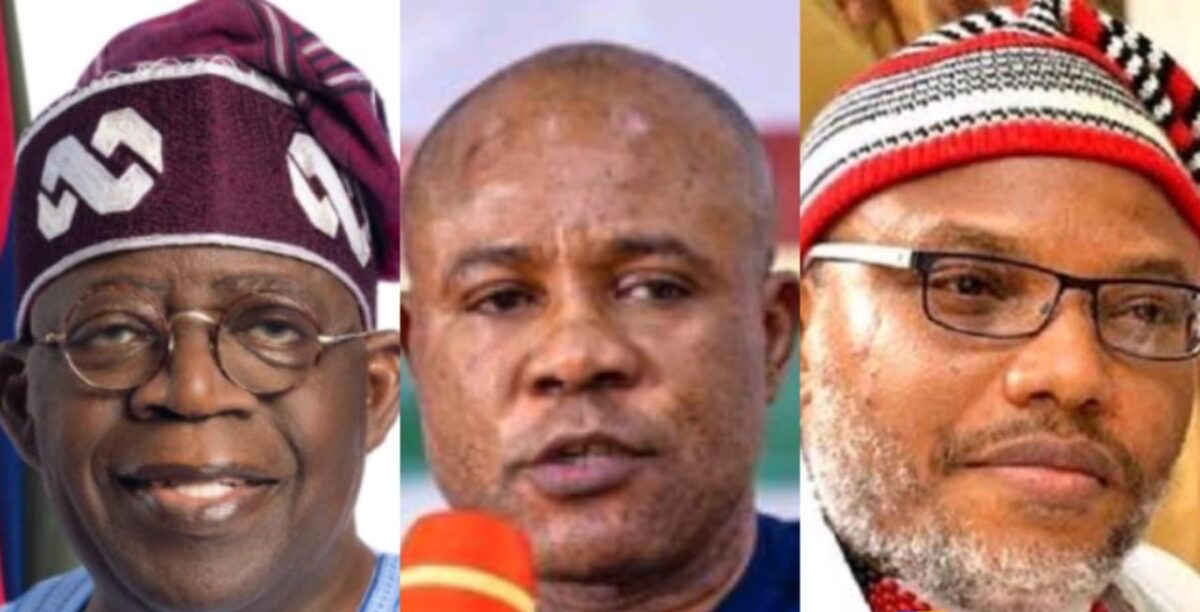
Enugu community backs Tinubu, Mbah for 2027, seeks Nnamdi Kanu’s release
The traditional ruler urged political opponents to conduct their campaigns peacefully.
Education
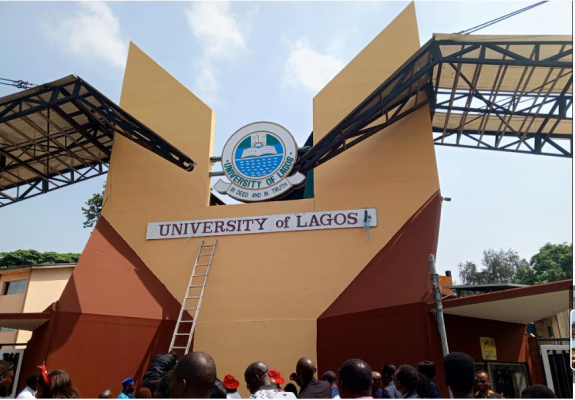
UNILAG to test new students for drugs, substances in toxicology screening
UNILAG urged newly admitted students to visit its website for further information.
Heading 1
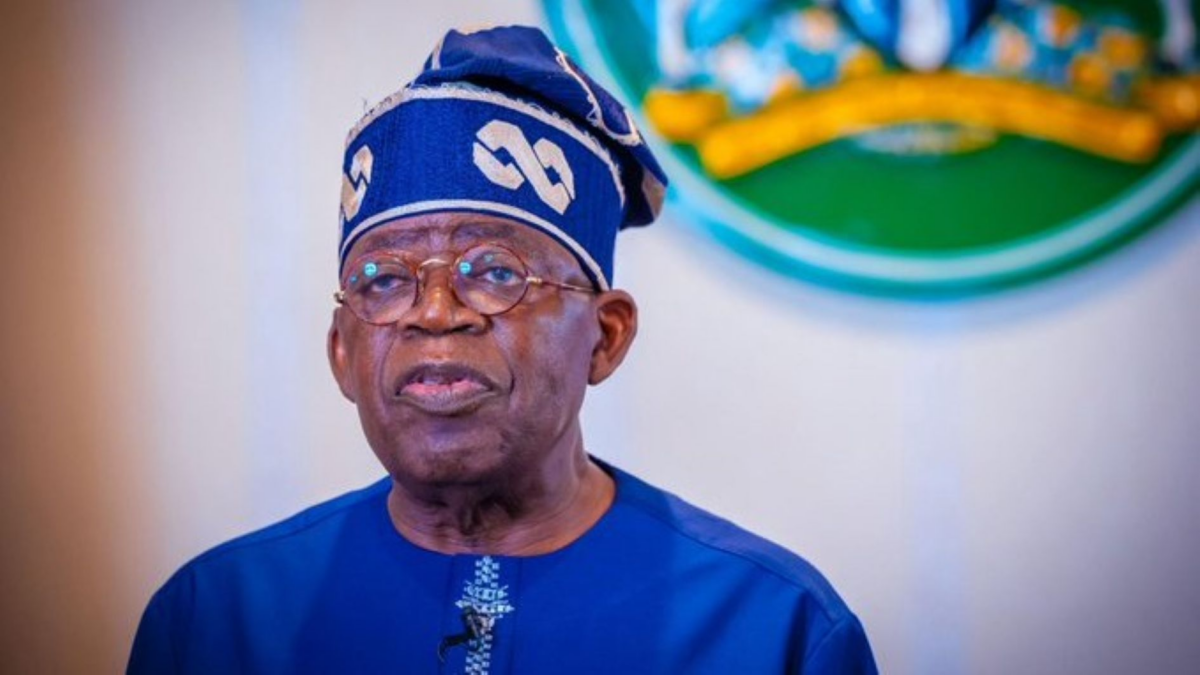
2027: DMI backs Tinubu’s reforms, forms alliance with president’s support group
She maintained that DMI’s ultimate mission was to promote stronger institutions.
Heading 4
ADC kicks off 2027 campaign in Imo, promises grassroots development
Mr Ihedioha explained that he associated with the party’s candidates because of their integrity.


