

World Bank urges Nigeria to invest in health, education to drive its $1 trillion ambition

The World Bank has urged Nigeria to prioritise investments in human capital, specifically health, education, and social protection, as a critical driver for achieving its $1 trillion economy ambition by 2030.
Mathew Verghis, country director of the World Bank Nigeria, made this call on Tuesday in Abuja at the National Traditional and Religious Leaders’ Summit on Health, noting that sustained investments in health, nutrition and human capital would determine the country’s long-term economic growth.
According to Mr Verghis, Nigeria has recorded notable progress in expanding access to health services through a sector-wide approach under the health ministry.
He referenced the recent signing of a national health compact, which brought together government stakeholders, traditional rulers and faith leaders in a shared commitment to improving health outcomes nationwide.
“The World Bank’s analysis suggests that the greatest remaining opportunity for accelerated growth lies in coordinated investments in early childhood, beginning from pregnancy and continuing through the early years,” he said.
He explained that health, nutrition, water and sanitation, caregiving and early learning collectively shape lifelong outcomes and productivity.
“These foundational investments determine whether children survive, thrive and eventually contribute meaningfully to economic growth,” he added.
He restated that religious and traditional leaders play a critical role in influencing household behaviours and social norms that affect child development outcomes.
Their influence, he noted, extends to caregiving practices, maternal nutrition, women’s decision-making, early childhood stimulation and community uptake of health services.
“Faith institutions and traditional authorities are essential in translating national commitments into real change at household and community levels,” he said.
He added that without behavioural and cultural alignment, investments in services may not fully translate into measurable development outcomes.
The bank’s official reaffirmed the World Bank’s commitment to supporting Nigeria’s health and human capital development agenda in collaboration with the government and development partners.
“The World Bank stands ready to continue working with the government and people of Nigeria to improve outcomes for all citizens,” he said.
Meanwhile, the United Nations and development partners have commended Nigeria’s traditional and religious leaders for their central role in advancing universal health coverage and strengthening primary healthcare delivery across the country.
Pavel Ursu, WHO representative, described the engagement of traditional institutions in Nigeria’s health reforms as “an asset rarely seen in many countries”.
Mr Ursu expressed appreciation to the First Lady for convening the summit at what he described as a critical moment in Nigeria’s health sector transformation.
“Achieving universal health coverage requires a whole-of-society approach. The influence traditional and religious leaders have in shaping positive health-seeking behaviour, promoting immunisation and ensuring community trust is paramount,” he said.
He noted that the global body, alongside partners including the Global Fund, Mr Gavi and other development agencies, remains committed to supporting Nigeria’s health reforms through a sector-wide approach at the federal and state levels.
He highlighted ongoing reforms under the Nigeria Health Sector Renewal Investment Initiative, as well as progress in malaria control, maternal and child health interventions and primary healthcare revitalisation.
According to him, measurable improvements are being recorded in health outcomes and UHC indicators, particularly in routine immunisation strengthening and vaccine-preventable disease reduction.
He commended traditional and religious leaders at the community level for supporting immunisation campaigns and surveillance efforts, especially in efforts to interrupt vaccine-derived poliovirus transmission and reduce measles and rubella outbreaks.
“We have seen the success of integrated campaigns for measles, rubella and HPV. Improved data use, strengthened accountability mechanisms and better service delivery are producing tangible results,” he said.
He reiterated that health was not merely a technical or institutional matter but a societal responsibility requiring moral authority and cultural connection.
He added that as Nigeria approaches the final stages of polio eradication and intensifies primary healthcare strengthening across local government areas, sustained collaboration with community leaders would be critical to addressing barriers to access and misinformation.
He reaffirmed the commitment of the United Nations and development partners to continue supporting Nigeria’s pursuit of health security and equitable access to affordable, quality services.
“Together, we can accelerate progress towards resilient primary healthcare systems and a future where every Nigerian, regardless of location, gender or socio-economic status, has access to essential health services,” he said.
Stakeholders at the summit agreed that the institutionalised engagement of traditional and religious leaders represents a strategic advantage in Nigeria’s journey toward universal health coverage and improved public health outcomes.
(NAN)

We have recently deactivated our website's comment provider in favour of other channels of distribution and commentary. We encourage you to join the conversation on our stories via our Facebook, Twitter and other social media pages.

More from Peoples Gazette

States
Independence: NBA urges Nigerians to expect better future
The NBA said that ordinary Nigerians should be deriving benefit from the subsidy removal rather than hardship.

Agriculture
FG tasks ECOWAS on leveraging financing strategies for agroecology
The federal government has urged stakeholders in the agriculture and finance sectors in the West Africa region to leverage financing strategies to enhance agroecology practices

Politics
Katsina youths pledge to deliver over 2 million votes to Atiku
“Katsina State is Atiku’s political base because it is his second home.”
Health
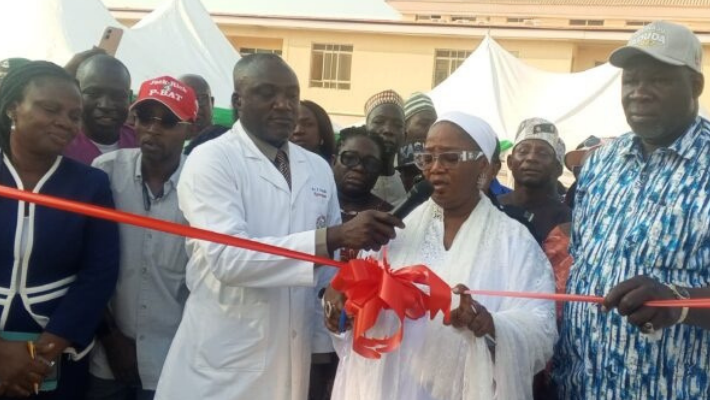
Tinubu-Ojo lauds UATH for supporting indigent patients
Ms Tinubu-Ojo commended the management of the University of Abuja Teaching Hospital for its humanitarian efforts, especially support for indigent patients.
Economy
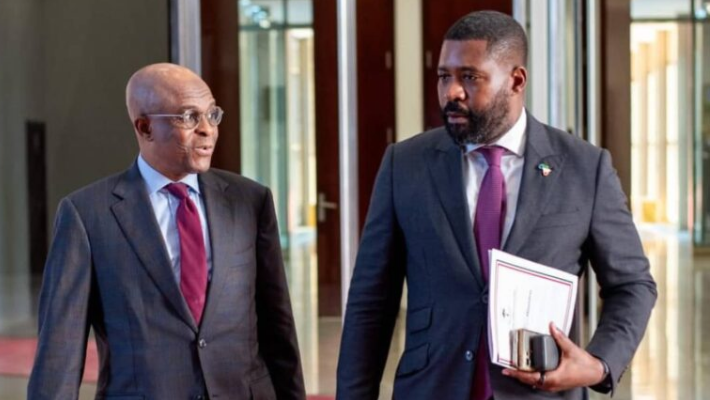
Dantsoho seeks regional port cooperation to cut cargo costs
PMAWCA called for stronger cooperation among regional ports to reduce cargo delays, lower logistics costs and improve competitiveness.
Economy
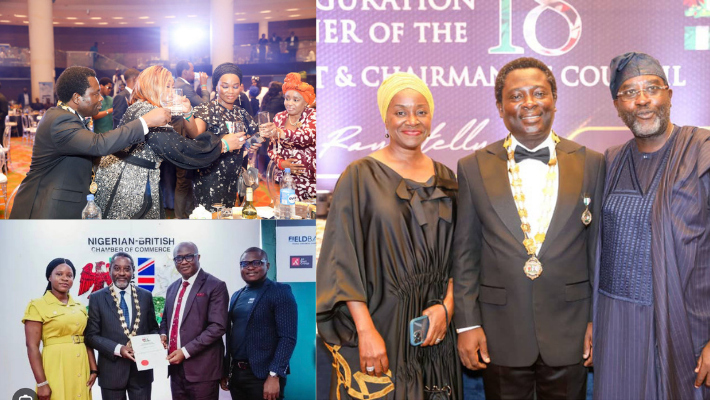
Nigeria, UK must deepen business partnerships for shared prosperity: Stakeholders
They made the call at the Nigerian-British Chamber of Commerce (NBCC) 2026 Presidential Dinner and Awards Ceremony in Lagos on Tuesday.

Rights
Court jails man for posting threatening comments against Trump on Facebook
Mr Swope tagged 20 people and organisations in the post, including the accounts of the Department of Homeland Security, Department of War, FBI, and Mr Trump.

States
God will avenge Osuagwu boys’ murder, judge declares as he acquits defendants
The judge said, “The trial of the real murderers of the innocent children has not ended with the conclusion of the court trial. The blood of those children is crying out to God.”
NationWide
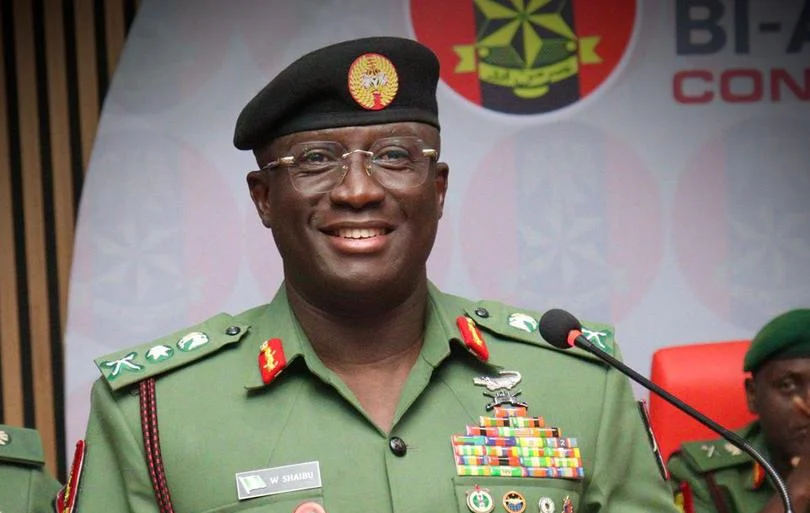
Nigerian Army prioritises personnel training to combat insecurity: Shaibu
The Nigerian Army has restated its commitment to deploying effective military arsenals and training personnel to combat terrorism and emerging security threats in the country.


