

Specimen transport costs, data gaps hindering Lassa fever response: NCDC
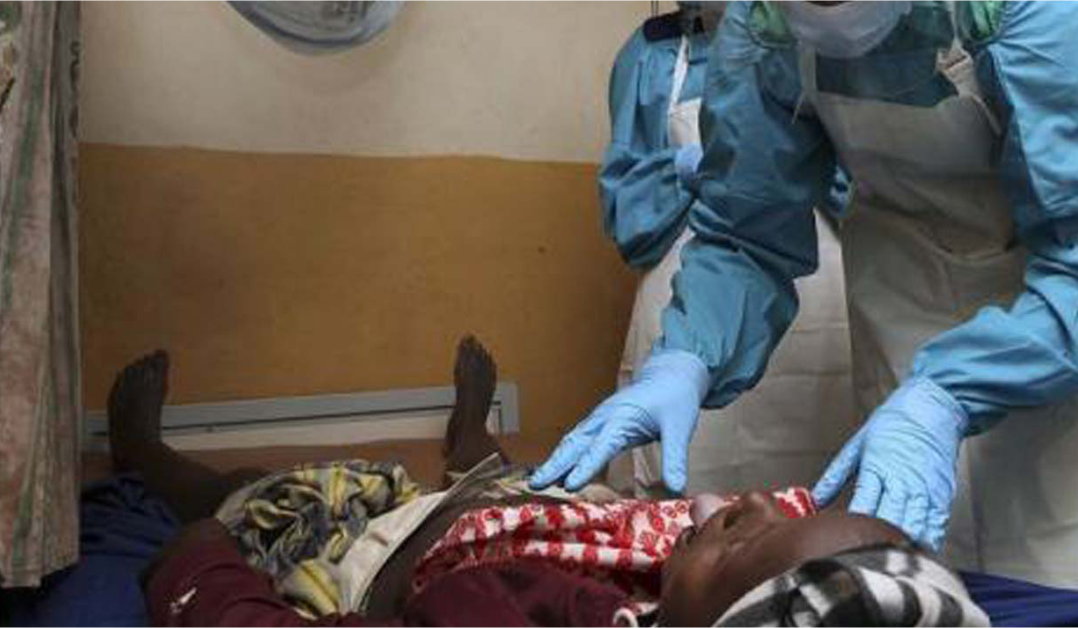
The Nigeria Centre for Disease Control and Prevention says high specimen transportation costs, reporting inconsistencies, and weak data validation systems are affecting timely detection and response to Lassa fever cases in some states.
Jide Idris, director-general of NCDC, said this on Monday in Abuja.
Mr Idris explained that transporting samples from remote communities to state laboratories remained expensive and logistically challenging, particularly in hard-to-reach areas.
According to him, getting specimens from local areas to state hospitals is costly, and fuel prices and transportation challenges affect turnaround time.
”While zonal laboratories have improved testing turnaround times compared to previous years, performance varies across states. Some states are doing better than others. We monitor parameters such as detection timelines, reporting within 24 hours and response within 48 hours under the 7-1-7 surveillance benchmark,” he said.
The 7-1-7 target refers to detecting suspected cases within seven days, reporting within one day and initiating a response within seven days.
He noted that though NCDC coordinated nationally through its Incident Management System, outbreak control ultimately depended on state-level execution.
”If states do not coordinate properly, there will be chaos. Case management is done at the hospital level. Doctors are there, but the system must function,” he said.
He also raised concerns about parallel reporting systems, revealing that some teaching hospitals have confirmed cases without reporting to state authorities.
”In one instance, suspected cases were recorded in a teaching hospital, with one confirmed case, without the state government being informed. That created a gap in surveillance,” he said.
He also explained that discrepancies sometimes arose when different institutions collected data independently, leading to variations between federal and state figures.
”We rely on validated data. If information is circulated without proper validation, it gives a wrong picture and can cause confusion,” he said.
He added that connectivity challenges and limited resources at the facility level also affected real-time reporting.
“In some facilities, there is poor internet connectivity or a lack of funds to procure data. These are operational realities that affect reporting timelines,” he said.
On community response, he said awareness materials were disseminated in local languages, but funding for sustained engagement remained limited in some states.
He stressed that outbreak control required strong dialogue with health commissioners and improved coordination between state governments and tertiary institutions.
”We must ensure data flows through the proper reporting line. Without accurate data, response efforts are weakened,” he said.
He added that while federal authorities provide coordination and technical support, effective outbreak containment requires ownership at the state level.
”We do our best, but response cannot happen without state-level support and validated data,” he further said.
(NAN)

We have recently deactivated our website's comment provider in favour of other channels of distribution and commentary. We encourage you to join the conversation on our stories via our Facebook, Twitter and other social media pages.

More from Peoples Gazette

States
Independence: NBA urges Nigerians to expect better future
The NBA said that ordinary Nigerians should be deriving benefit from the subsidy removal rather than hardship.

Agriculture
FG tasks ECOWAS on leveraging financing strategies for agroecology
The federal government has urged stakeholders in the agriculture and finance sectors in the West Africa region to leverage financing strategies to enhance agroecology practices

Politics
Katsina youths pledge to deliver over 2 million votes to Atiku
“Katsina State is Atiku’s political base because it is his second home.”

Heading 2
Enugu secures $200 million solar investment to boost electricity supply
Mr Mbah pledged the state government’s support in removing institutional bottlenecks that could delay the project.
Heading 5
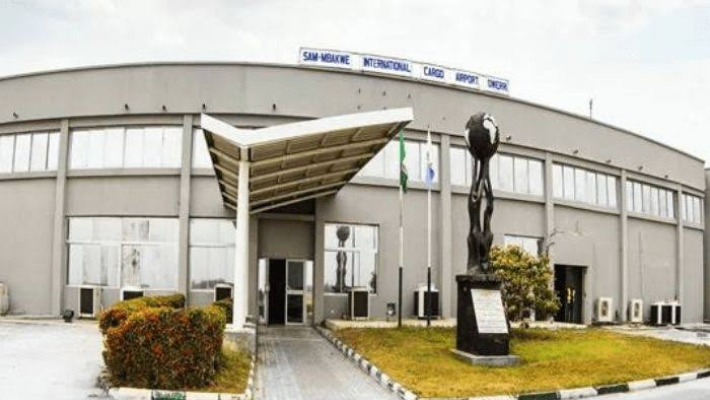
FAAN announces temporary closure of Owerri airport runway for repairs
According to Mr Agbebire, the closure was tentatively scheduled to last about 25 days.

States
Police nab three suspects over alleged murder of 65-year-old woman accused of witchcraft in Niger
The command’s spokesperson said the incident occurred on Saturday.

Health
Lassa Fever: Nigeria records 1,115 cases, 263 deaths in 24 states
The agency urged healthcare workers and the public to maintain appropriate preventive measures.

Heading 2
Police nab 47 suspects for thuggery, drug peddling in Kano
Mr Haruna-Kiyawa stated that large quantities of illicit substances and dangerous weapons were recovered from the suspects.

Heading 5
Number of votes Tinubu gets in 2027 will show number of mad people in Nigeria: Rotimi Amaechi
Mr Amaechi had recently blamed the economic hardship under Mr Tinubu for the deaths of many Nigerians, including his mother.


