

Teenage pregnancy highest in Kebbi, Zamfara, Kaduna: Report
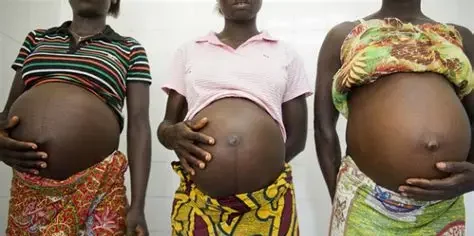
Teenage pregnancy remains a serious public health challenge in Nigeria, with some northern states such as Kebbi, Zamfara, and Kaduna recording the highest rates.
This is according to the 2025 State of Health of the Nation Report, released on Sunday in Abuja and produced under the National Health Act (2014).
It highlighted adolescent reproductive health trended nationwide and revealed emerging regional disparities.
It showed 32 per cent of girls aged 15–19 in Kebbi had been pregnant, followed by Zamfara and Kaduna states at 30 per cent each, while Lagos and Edo states recorded about three per cent.
The findings, drawn from the Nigeria Demographic and Health Survey (NDHS) 2024, revealed sharp regional differences and underlined the need for targeted interventions to improve adolescent reproductive health outcomes across Nigeria.
According to the report, teenage pregnancy increases risks of maternal and child morbidity and mortality, while also contributing to social challenges such as school dropout among adolescent girls in high-risk states.
It noted that pregnancy prevalence declined with education, from 34 per cent among girls with no schooling to four per cent among those with education beyond secondary school, highlighting education’s protective effect.
The report said the 2025 health sector expanded adolescent-focused interventions to improve reproductive health outcomes and advance Universal Health Coverage (UHC), strengthening primary healthcare services and community outreach programmes nationwide.
It said investments targeted adolescent-friendly services in primary healthcare, including family planning, HIV prevention, and sexually transmitted infection management, to improve accessibility and utilisation of reproductive health services among teenagers.
The report said community-based health workers were engaged to provide counselling and selected family planning services, helping adolescents in remote areas access reproductive health information and interventions, complementing facility-based care.
It said school- and community-based water, sanitation, and hygiene (WASH) programmed were strengthened to improve adolescent well-being and reduced preventable infections, creating a healthier environment for young people across Nigeria.
The report noted improvements in menstrual hygiene management, with 95 per cent of adolescent girls reporting they could wash and change privately at home, while 94 per cent used appropriate menstrual materials.
However, the report raised concerns about adolescent mental health and substance abuse, noting increasing alcohol and drug use, including tramadol and cannabis, particularly among secondary school students nationwide.
It stated adolescents and young people aged 10–24 accounted for about 32 per cent of Nigeria’s population and bear a high burden of mental health disorders, particularly depression and anxiety.
It said government interventions focused on integrating mental health services into HIV care programmes, supported by national frameworks such as the National Policy on the Health and Development of Adolescents.
The report said the policies emphasised youth-friendly mental health services, early intervention, prevention, and stigma reduction, aiming to improve adolescents’ psychological well-being alongside broader public health initiatives.
The report highlighted government commitment to strengthening mental health services during World Mental Health Day and International Adolescent Health Week in 2025, promoting multisectoral collaboration to address substance abuse.
These efforts involved partnerships among the Ministry of Health, the National Drug Law Enforcement Agency (NDLEA), the World Health Organization (WHO), the United Nations Office on Drugs and Crime (UNODC), and civil society organisations.
The report added that some states, including Kaduna, introduced school- and community-based initiatives to strengthen mental health awareness, build resilience, and support adolescents in managing stress, substance use, and other psychosocial challenges.
(NAN)

We have recently deactivated our website's comment provider in favour of other channels of distribution and commentary. We encourage you to join the conversation on our stories via our Facebook, Twitter and other social media pages.

More from Peoples Gazette

Agriculture
FG tasks ECOWAS on leveraging financing strategies for agroecology
The federal government has urged stakeholders in the agriculture and finance sectors in the West Africa region to leverage financing strategies to enhance agroecology practices

Politics
Katsina youths pledge to deliver over 2 million votes to Atiku
“Katsina State is Atiku’s political base because it is his second home.”
States
Tinubu advised me never to negotiate with criminals, Gov Ododo says
“I don’t play with criminals, and I don’t negotiate with them. I can tell you that, as far as Kogi State is concerned, we don’t have a department for ransom payment,” he said.

Heading 1
U.S. has spent $37.5 billion on Iran war: Hegseth
“The estimate we have as of today is $37.5 billion,” Mr Hegseth said.

Lagos
Slain Lagos NURTW organising secretary buried amid tears
Mr Ajiboye died days after he was attacked by gunmen.

Africa
144 refugees, migrants dead, missing off Mauritania coast: UNHCR
“The refugees and migrants were reported dead or missing after attempting the perilous sea journey from West Africa towards Europe,” the agency said.

World
U.S. govt condemns Ortega’s ban on elections in Nicaragua
Mr Rubio urged the international community to rise against Mr Ortega’s dictatorship.

World
Zelensky sacks Ukraine’s top general after firing defence minister
Mr Syrskyi’s dismissal came days after Mr Zelensky fired Ukraine’s defence minister, Mykhailo Fedorov, a decision that sparked protests across the country.


