

Edun urges developing countries to adopt measures to mitigate global shock

Economy and finance minister Wale Edun has urged developing countries to adopt measures to mitigate global shock.
Mr Edun said this at the G24 news conference held on the sidelines of the ongoing International Monetary Fund meeting in Washington, D.C., on Tuesday.
The minister said that premature or excessive interest rate hikes could undermine ongoing economic transformations, and delayed responses risk fueling inflation.
To this end, the minister said that the central banks of developing countries played critical roles in steering economies through energy crises and tensions.
Mr Edun said that strategic measures to be adopted differ across oil-producing nations, adding that Nigeria benefits from higher revenues, but oil importers face rising costs, though both experience inflationary pressures from energy markets.
According to him, oil exporters are not insulated as increased gas, fertiliser, and food prices are being experienced across economies, highlighting the widespread impact of the current global energy crisis.
Mr Edun said that there was a need for resilience, urging countries to utilise built-up buffers and adopt targeted temporary relief measures for vulnerable populations rather than reversing key economic reforms already implemented.
He cautioned against returning to subsidies, stating that reforms such as the removal of fuel subsidies and the liberalisation of foreign exchange had strengthened Nigeria’s economic framework despite recent external shocks.
The minister said that countries should prioritise support to their poorest citizens, ensuring they cope with rising living costs without undermining long-term structural reforms critical to sustainable economic growth.
Mr Edun said that positive oil price shocks could boost fiscal and external accounts for exporters, creating space for responsible public investment while urging adherence to sustainable macroeconomic management practices.
He said that, for example, countries adopting hedging strategies to stabilise oil revenues, such as measures that enhance predictability and strengthen long-term fiscal planning amid volatile global market conditions.
Mr Edun said expectations remained that developed nations would assist poorer countries, but that declining overseas development assistance and rising debt servicing burdens faced developing economies today.
He said that debt servicing costs for developing countries had surpassed inflows from aid and investment, limiting fiscal space and constraining their ability to pursue meaningful economic transformation efforts.
The minister called on multilateral institutions to provide increased liquidity support and policy guidance to help developing nations navigate current challenges and manage heightened financial vulnerabilities effectively.
Mr Edun said that domestic resource mobilisation was a sustainable pathway, urging improved tax systems and greater private-sector participation to drive revenue growth and reduce reliance on external financing.
He also advocated concessional financing and innovative risk management tools to reduce borrowing costs, as high debt servicing obligations hinder development and economic transformation across many developing countries.
According to Mr Edun, the growing influence of artificial intelligence may initially widen inequality, but it also plays a role in enhancing revenue mobilisation through automation and digitalisation.
The minister said that improving tax-to-gross domestic product ratios would depend significantly on technology adoption, including AI, to strengthen efficiency, transparency, and overall government revenue-generation capabilities across economies.
Mr Edun expressed concern over declining global trade growth, adding that fragmentation and supply chain disruptions had shifted focus towards domestic production and regional integration among developing economies.
(NAN)

We have recently deactivated our website's comment provider in favour of other channels of distribution and commentary. We encourage you to join the conversation on our stories via our Facebook, Twitter and other social media pages.

More from Peoples Gazette

States
Independence: NBA urges Nigerians to expect better future
The NBA said that ordinary Nigerians should be deriving benefit from the subsidy removal rather than hardship.

Agriculture
FG tasks ECOWAS on leveraging financing strategies for agroecology
The federal government has urged stakeholders in the agriculture and finance sectors in the West Africa region to leverage financing strategies to enhance agroecology practices

Politics
Katsina youths pledge to deliver over 2 million votes to Atiku
“Katsina State is Atiku’s political base because it is his second home.”

Sport
2027 AFCON Qualifier: Guinea-Bissau beat Madagascar, extend lead over Nigeria in Group L
Guinea-Bissau now have 10 points, Nigeria seven points, while Madagascar and Tanzania have two points each.
Africa
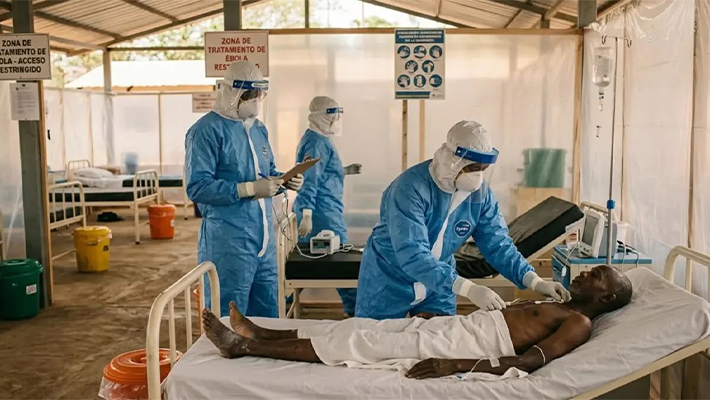
WHO raises concern over rising Bundibugyo Ebola deaths, insecurity in DR Congo
Mr Ghebreyesus said the outbreak, declared six months ago, had spread across 67 health zones in eight provinces in the DR Congo.

Africa
Afreximbank urges industries to boost intra-African trade as alternative to China in global markets
“As global markets look to diversify production beyond China, Africa must position itself as a natural partner of choice,” Mr Maayergi said.

World
Russell Brand faces probe over prison message to supporters
Mr Brand was convicted at Southwark Crown Court of one count of rape and three counts of sexual assault.
Politics
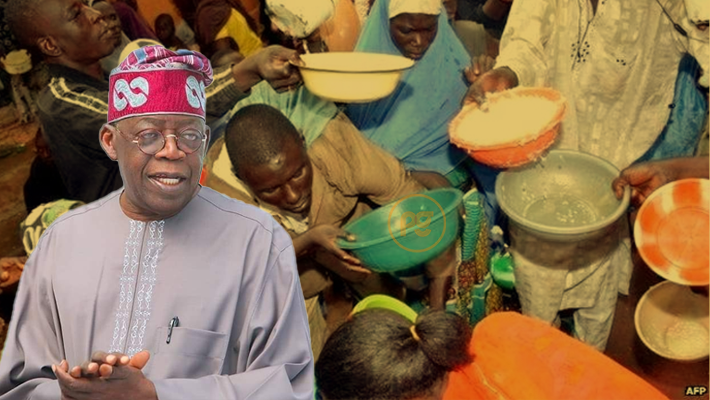
Tinubu admits cost-of-living crisis after APC dismissed widespread hunger claims
According to Mr Tinubu, the 2027 election is about the country’s future and direction.

World
WHO pushes for stronger vaccination, screening, treatment to eliminate cervical cancer
WHO said that expanding HPV vaccination, improving screening access, and ensuring timely treatment are critical to protecting women.


