

Unstable power supply stalling smart manufacturing: Energy Expert
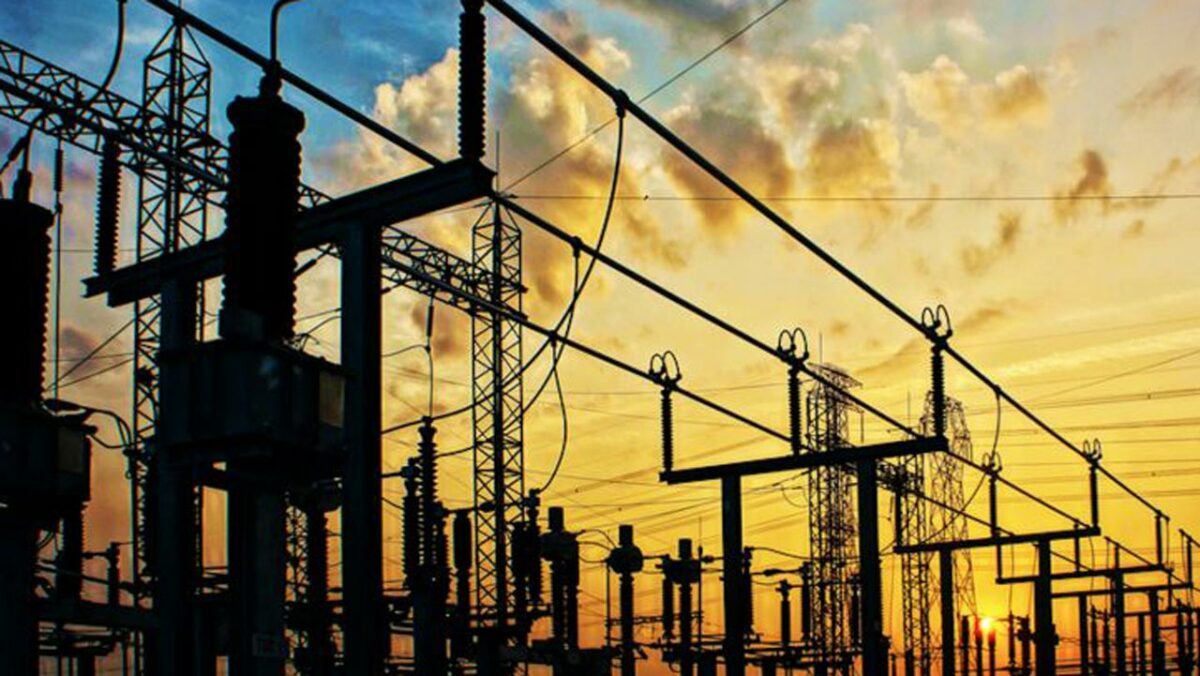
A smart energy expert, Orebiyi Godfrey, has said Nigeria’s unstable power supply limits local manufacturers’ ability to adopt energy-efficient, smart-factory systems.
He said there was therefore an urgent need for significant improvements to the electricity infrastructure.
Mr Godfrey, a renewable energy engineer, said this in Abuja on Monday.
He said that while smart manufacturing models promised efficiency, automation and cost savings, their success depended heavily on reliable and consistent electricity, which Nigeria currently struggles to provide.
He said that many advanced factory systems relied on interconnected sensors, data analytics, and automated machinery, all of which required uninterrupted power.
He said that frequent outages force manufacturers to depend on diesel generators, undermining both efficiency gains and sustainability goals.
According to him, solar energy offers a practical support solution for manufacturers, particularly for daytime operations and predictable energy loads, helping to reduce dependence on diesel and lower long-term operating costs.
Mr Godfrey said that solar alone could not guarantee the round-the-clock reliability required for smart factories, since power generation depended on sunlight, which made battery storage necessary and significantly increases overall system costs.
“Energy-intensive industrial processes often demand high and stable power loads that solar systems may struggle to sustain without very large and expensive installations, limiting their standalone viability for full automation.
“A hybrid energy model combining solar, battery storage, generators, and grid supply provides a more realistic pathway, though it comes with higher upfront investment and technical complexity for many local manufacturers,’’ he said.
The expert said that while firms could gradually adopt energy-efficient technologies through modular upgrades, achieving a full smart-factory transformation would remain difficult without improved grid reliability and stronger policy support.
Mr Godfrey stressed that targeted government incentives, including tax credits and financing for clean energy systems, alongside public-private collaboration, would be critical to easing the transition and unlocking Nigeria’s industrial modernisation potential.
(NAN)

We have recently deactivated our website's comment provider in favour of other channels of distribution and commentary. We encourage you to join the conversation on our stories via our Facebook, Twitter and other social media pages.

More from Peoples Gazette

States
Independence: NBA urges Nigerians to expect better future
The NBA said that ordinary Nigerians should be deriving benefit from the subsidy removal rather than hardship.

Agriculture
FG tasks ECOWAS on leveraging financing strategies for agroecology
The federal government has urged stakeholders in the agriculture and finance sectors in the West Africa region to leverage financing strategies to enhance agroecology practices

Politics
Katsina youths pledge to deliver over 2 million votes to Atiku
“Katsina State is Atiku’s political base because it is his second home.”

States
Ex-RTEAN chair, son remanded over murder in Ekiti
Mr Oriiyomi said the deceased was abducted by the defendants over a land dispute.
Education
Teachers’ Day: Provost, NAPTAN seek elevated status for teaching
Mr Azeez noted that the country remains among nations with low budget allocations to education.
States
Miners’ Deaths: FG donates N250 million to families of 37 victims
Mr Shettima conveyed the condolences of President Bola Ahmed Tinubu to the government and people of the state over the tragedy.

States
Troops rescue captives after bandits attack in Zamfara
The army said security forces have intensified operations to deny criminal elements freedom of movement.

World
UK court sentences Abdullah Sabah Albadri who planned terrorist attack on Israeli embassy to 20 years in prison
Mr Albadri was sentenced after an investigation by Counter Terrorism Policing London found him guilty of preparation of terrorist acts.
States
32 people aboard crashed military helicopter in Ondo; rescue operation ongoing: Keyamo
Mr Keyamo said, “Preliminary information suggests that there were 25 passengers and seven crew members on board.”


