

Poultry association urges FG to address power, security challenges
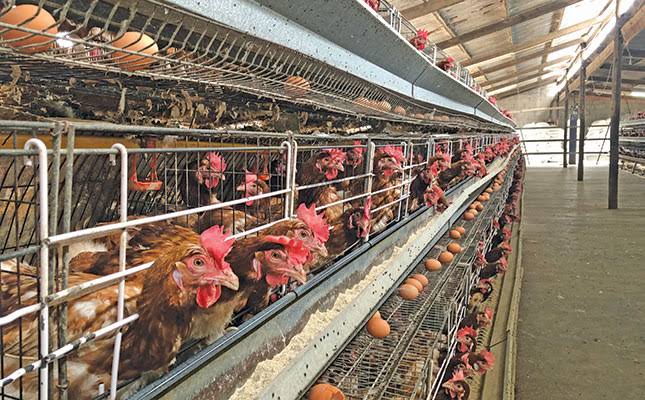
The Poultry Association of Nigeria (PAN), FCT Chapter, has urged the federal government to address persistent power and security challenges affecting the country’s agricultural sector.
Hakeem Musa, Secretary of the chapter, made the call in an interview with journalists on Saturday in Abuja.
He was reacting to the federal government’s recent ban on the importation of poultry products, cement, pharmaceuticals, and other goods.
The federal government, on April 1, banned the importation of cement, poultry products, pharmaceuticals, and other agricultural goods from countries outside the Economic Community of West African States (ECOWAS).
Mr Musa described the policy as a strategic move in the right direction but warned that its success would depend on addressing critical structural bottlenecks.
He noted that more than 1,000 poultry farms had shut down within the FCT due to operational challenges, including inadequate electricity supply and insecurity.
Mr Musa identified key constraints in the sector as insecurity, unreliable power supply, and the high cost of inputs, including day-old chicks.
“Farmers and agribusiness investors cannot operate optimally in environments where access to farms is threatened or where production and processing costs are driven up by dependence on alternative power sources,” he said.
He stressed that addressing insecurity, improving electricity supply, and strengthening the agricultural ecosystem were essential for the policy to achieve measurable impact.
“There is a need for deliberate government support in the form of access to affordable financing, input subsidies, extension services, and market linkages.
“Without these complementary measures, local producers may struggle to meet the surge in demand that such a ban is likely to create, potentially leading to price inflation and supply gaps,” Mr Musa said.
He added that the policy reflected a deliberate effort to protect local industries, reduce dependence on imports, and stimulate indigenous production across key sectors.
According to him, if properly implemented, the policy could serve as a catalyst for economic growth by encouraging local farmers, manufacturers, and agro-processors to expand capacity.
“It presents a significant opportunity for investors and practitioners to scale operations, improve value chains, and meet domestic demand, particularly in the poultry sector.
“The policy also has the potential to create jobs, strengthen food security, conserve foreign exchange, and position Nigeria as a competitive player within the West African sub-region,” he said.
However, Mr Musa expressed concern over frequent policy reversals, describing them as a major challenge to economic stability.
He said that while adjustments in governance were normal, constant reversals suggested inadequate planning and coordination.
“Policy somersaults undermine investor confidence, make it difficult for businesses to plan, and erode public trust in government decisions.
“Nigeria needs consistency, not trial-and-error policymaking. Policies must be well thought out, properly consulted, and clearly communicated before implementation.
“That is how to build trust, stability, and real economic progress,” he said.
(NAN)

We have recently deactivated our website's comment provider in favour of other channels of distribution and commentary. We encourage you to join the conversation on our stories via our Facebook, Twitter and other social media pages.

More from Peoples Gazette

States
Independence: NBA urges Nigerians to expect better future
The NBA said that ordinary Nigerians should be deriving benefit from the subsidy removal rather than hardship.

Agriculture
FG tasks ECOWAS on leveraging financing strategies for agroecology
The federal government has urged stakeholders in the agriculture and finance sectors in the West Africa region to leverage financing strategies to enhance agroecology practices

Politics
Katsina youths pledge to deliver over 2 million votes to Atiku
“Katsina State is Atiku’s political base because it is his second home.”
States
Makinde urges Nigerians to remain united, honour founding heroes
Mr Makinde urged the citizens to appreciate the sacrifices of Nigeria’s founding heroes.

States
Troops eliminated 16 terrorists, rescued 10 prospective NYSC members: Nigerian Army
The report said the troops repelled the attacks, forcing the terrorists to flee towards Garkida on motorcycles.

Anti-Corruption
U.S. immigration officer jailed for accepting $6,000 bribe
Mr Dukuly pleaded guilty to “aiding and abetting the bribery of a public official in exchange for an official act.”

Uncategorized
TCN restores Kainji-Birnin Kebbi 330kV transmission line
The company said power went off in the affected areas on September 7.

States
Group seeks better healthcare, social support for elderly Nigerians
Mr Oluwadamilare said growing old in Nigeria was becoming increasingly difficult due to economic hardship.
States
INEC urges Sokoto voters to maintain confidence in electoral process
INEC reminded registered voters that collection of Permanent Voter Cards (PVCs) would begin on October 9.


