


Nigeria, South Africa, others express concern about nuclear sharing, condemns proliferation

Several countries, including Nigeria and South Africa, have expressed concerns about horizontal proliferation, nuclear sharing, and extended nuclear deterrence at the 2026 review conference of the Nuclear Non-Proliferation Treaty. They expressed concern about a number of countries that are increasingly considering nuclear weapons as a source of their national security.
New Zealand expressed concern that some non-nuclear-armed states may now be revisiting their commitments not to acquire nuclear weapons, and stressed this would be “profoundly dangerous and undermine the very objectives of our treaty”.
South Africa noted that the continued expansion of the nuclear umbrella and nuclear alliances, as well as new modalities regarding nuclear sharing, is a proliferation concern. The Philippines, Sri Lanka, and Uruguay made similar remarks. Mexico rejected terms such as “friendly proliferation”, stressing that they run counter to the spirit and letter of the NPT.
The Non-Aligned Movement stated that any horizontal proliferation of nuclear weapons and nuclear weapon sharing by states parties constituted a clear violation of non-proliferation obligations undertaken by those nuclear-armed states under Article I and by those non-nuclear-armed states under Article II of the treaty.
The NAM urged the states parties to put an end to nuclear weapon sharing with other states under any circumstances and any kind of security arrangements in times of peace or in times of war. China, Indonesia, Iran, Malaysia, Nepal, Nigeria, Sri Lanka, among others, also opposed nuclear weapon sharing and underlined its incompatibility with the NPT.
Chile expressed concern at the deployment of nuclear weapons on the territory of non-nuclear-armed states, which would contravene Articles I and II of the NPT.
“This violation represents a shared responsibility, which concerns both the states that transfer such weapons and those that permit the deployment of nuclear weapons within their borders,” said Chile.
It stressed that, in its view, this practice constitutes a form of proliferation, regardless of the circumstances or agreements underpinning it.
Meanwhile, Cameroon has proposed a mandatory consultation mechanism, in which any nuclear-armed state contemplating a new deployment or a new sharing arrangement should notify all states parties six months in advance, thereby opening a period for review and dialogue without the right of veto, but with an obligation to provide a reasoned response.
It also suggested a “voluntary nuclear sanctuary” status, wherein any non-nuclear-armed state that wants to may declare, by notifying the NPT Secretariat, that it does not and will never host foreign nuclear weapons on its territory. In return, all nuclear-armed states collectively undertake not to deploy nuclear weapons on their territory, not to target it, and to grant it priority humanitarian assistance in the event of a crisis.
Cameroon explained that the two tools are complementary (the first creates transparency, the second rewards voluntary renunciation with a positive guarantee). It noted that neither of them amends the NPT, but offers “a consensual way to transform a dangerous ambiguity into an architecture of trust”.
Finland pointed out that the North Atlantic Treaty Organisation’s nuclear deterrence arrangements had been an important factor in preventing the proliferation of nuclear weapons and argued that NATO’s nuclear policy was longstanding and predates the NPT, and that it actively contributed to the treaty’s nonproliferation objectives by “having effectively reduced the incentive for non-nuclear allies to seek their own nuclear weapons”.
Italy, Lithuania, Belgium, and the U.S. made similar remarks. Belgium said that NATO’s nuclear sharing arrangements were a necessary response to the existential threat posed by Russia. The U.S. said that it remained the custodian of its nuclear weapons in full compliance with the NPT and with the highest safety and security standards.

We have recently deactivated our website's comment provider in favour of other channels of distribution and commentary. We encourage you to join the conversation on our stories via our Facebook, Twitter and other social media pages.

More from Peoples Gazette

Agriculture
FG tasks ECOWAS on leveraging financing strategies for agroecology
The federal government has urged stakeholders in the agriculture and finance sectors in the West Africa region to leverage financing strategies to enhance agroecology practices

Politics
Katsina youths pledge to deliver over 2 million votes to Atiku
“Katsina State is Atiku’s political base because it is his second home.”

Entertainment
U.S. singer D4vd’s lawyers withdraw from murder case
The attorneys did not give any reason for withdrawing from the case.

Entertainment
Lionel Richie hospitalised in ICU after St. Louis concert
The 77-year-old checked himself into a local hospital after he ran some tests.

States
2027: Gov. Otti urges greater unity among LP stakeholders
The governor said unity and peaceful collaboration were essential to sustaining development in the area.

Heading 1
TCN announces maintenance at Ajaokuta transmission substation
The exercise would begin from 10 a.m. to 3 p.m. on Tuesday, September 1, 2026.
States
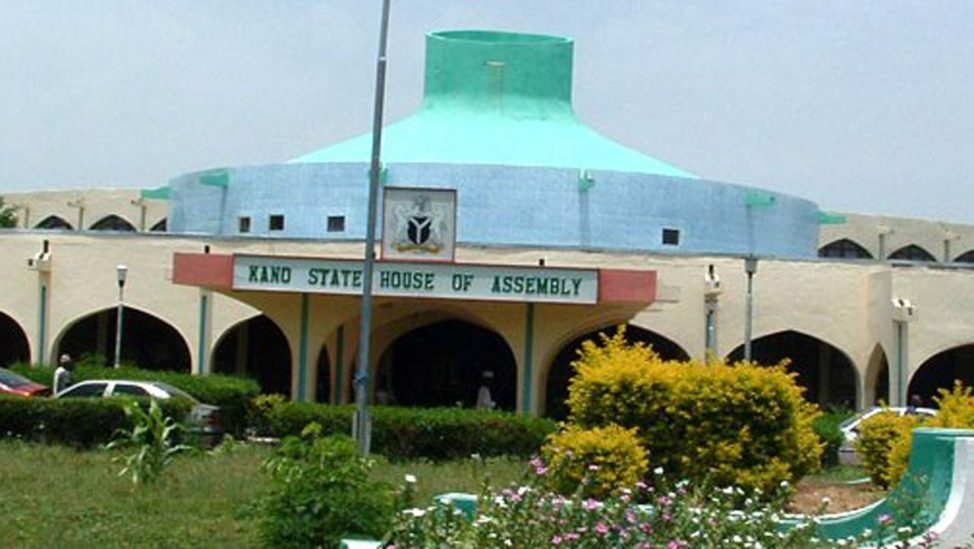
Kano assembly passes bill to establish economic planning, development council
The majority leader explained that the council would be chaired by the state governor.
Heading 2
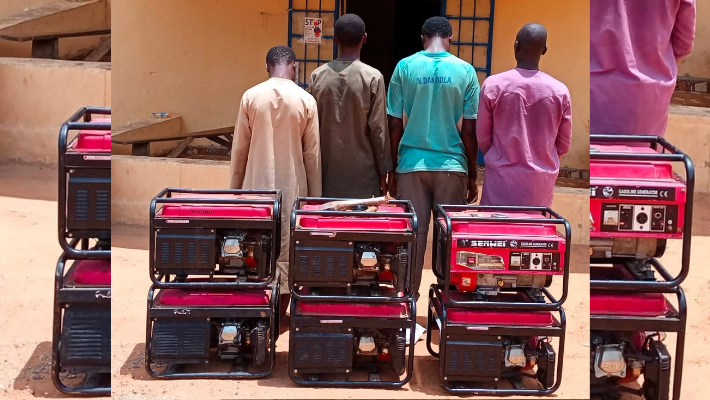
Six suspects arrested for alleged vandalism, theft from Kebbi INEC office
The police spokesperson urged members of the public to remain vigilant.


