

CSOs condemn France-sponsored Kenya summit, allege exploitation of Africa

Several civil society organisations around the world, on Wednesday, raised concerns about the ongoing Africa Forward Summit in Kenya, while noting that the high-profile gathering risked reinforcing extractive dynamics rather than delivering a just and equitable energy transition for Africa.
The ongoing Africa Forward Summit in Nairobi, Kenya, is the first-ever initiative hosted by France in an English-speaking African country since its inception in the 1970s.
During the summit, President Emmanuel Macron announced a €23 billion investment, including €14 billion in private and public funds from French entities, and €9 billion from African investors.
The two-day summit, hosted by the French government and bringing together representatives from around 30 African countries, aimed to reimagine partnerships for innovation and growth between Africa and France.
The CSOs and climate change advocates alleged that the ongoing summit comes amid declining overseas development assistance and increasing scrutiny of fossil fuel investments in Africa.
They also warned that the event’s business-heavy agenda and sponsorship by fossil fuel giant TotalEnergies undermined its credibility at a critical moment for climate action.
The summit followed closely on the heels of the Santa Marta conference in Colombia, where nearly 60 governments, including several African nations, had engaged in unprecedented discussions on transitioning away from fossil fuels.
The civil society groups noted that despite positioning itself as a platform for Africa’s future, the summit granted access to nearly 2,000 corporate executives and government representatives, while excluding the vast majority of civil society organisations from the main proceedings.
“Inviting civil society to a pre-event while locking them out of the main summit was not participation, it was tokenism,” Rukiya Khamis, East Africa Programme Manager at 350.org, said, adding that “Communities on the frontlines of the climate crisis could not be consulted as a formality and then excluded from decisions that shaped their future. We would not accept a Nairobi Declaration authored without us.”
The advocates allegedvq contradiction between the summit’s stated ambition to reset clean energy partnerships and the involvement of companies driving fossil fuel expansion across the continent.
Savio Carvalho, Global Climate Campaign Lead at 350.org said, “You could not talk about a clean energy future while handing the microphone to companies like TotalEnergies, whose projects, including pipelines like EACOP, are linked to environmental destruction and human rights abuses. This wasn’t partnership, it was extractivism repackaged.”
The 350.org also highlighted the real-world consequences of fossil fuel dependence, while noting that in just two months of the recent war in South West Asia, Kenyan households and businesses lost an estimated $143–150 million due to oil price spikes.
The environmental advocates said the development underscored the urgent need for African governments to commit to clear timelines for a fossil fuel phase-out and accelerate investment in renewable energy.
The civil society leaders urged France to move beyond rhetoric and take concrete action, including holding fossil fuel companies accountable and delivering meaningful financial support for a just transition.
Fanny Petitbon, France Country Manager at 350.org said, “Fossil fuel majors investing in renewables is the same as a tobacco company funding wellness research, enough to stay credible, not enough to change anything. France can not claim to reset its relationship with Africa while backing corporations that profit from the energy crisis and pollution. A genuine partnership would mean accountability, taxing excess fossil fuel profits, and delivering climate finance as grants, not loans that deepened debt.”
The groups emphasised that Africa faced a defining choice to either lead the global renewable energy transition or remain locked into unequal relationships shaped by extraction and dependency.
“Africa did not need charity. It needed reparative finance, political courage, and a seat at the table where decisions were made. Nothing for us should be decided without us,” Ms Khamis noted.

We have recently deactivated our website's comment provider in favour of other channels of distribution and commentary. We encourage you to join the conversation on our stories via our Facebook, Twitter and other social media pages.

More from Peoples Gazette

Agriculture
FG tasks ECOWAS on leveraging financing strategies for agroecology
The federal government has urged stakeholders in the agriculture and finance sectors in the West Africa region to leverage financing strategies to enhance agroecology practices

Politics
Katsina youths pledge to deliver over 2 million votes to Atiku
“Katsina State is Atiku’s political base because it is his second home.”

States
Gov Ododo bans night arrests, warns security agencies against unlawful detention
The governor said the directive was aimed at protecting the dignity and fundamental rights of citizens.

World
Catholic priest Sandro Ferretto quits, marries Kenyan woman after 12 years of missionary work
According to reports, Mr Ferretto resigned from the priesthood in 2023.
Heading 3
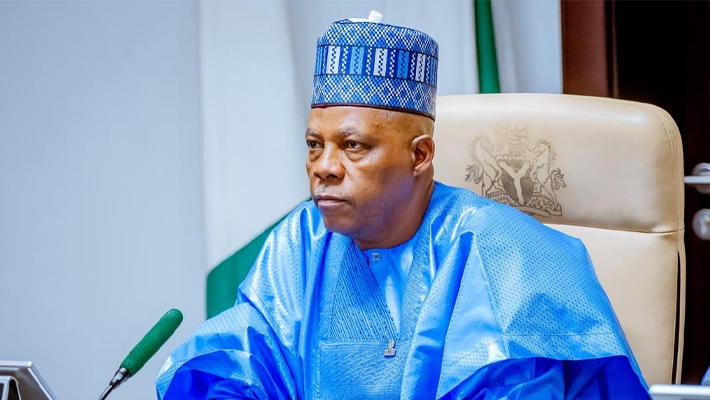
Tinubu’s reforms transforming indigenous firms into global brands: Shettima
Mr Shettima assured the Flutterwave team of the federal government’s continued support.
Africa
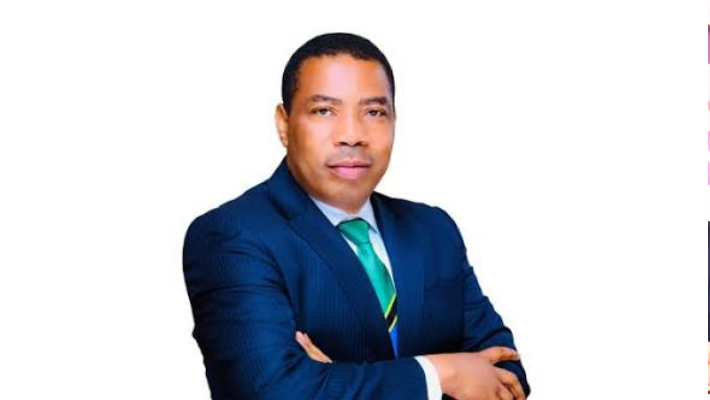
Tanzanian PM to headline first-ever investment forum in London
Mr Nchemba will outline the economic opportunities in Tanzania to woo foreign investors who will be in attendance.
States
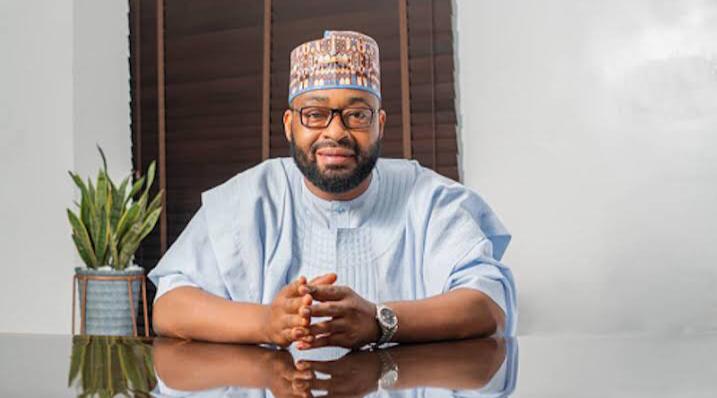
Gov Bago nominates six commissioners-designate, other political appointees
The governor said the nominees are subject to confirmation by the Niger State House of Assembly.
Economy
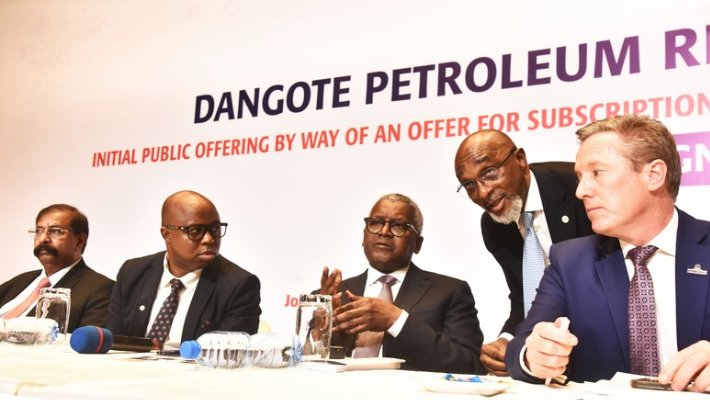
N2.2 Trillion IPO: Dangote Refinery targets 10 million subscribers
The offer is expected to be one of the largest equity offerings in Nigeria’s capital market history.


