

One-China principle irreversible, Taiwan remains inalienable part of China: Envoy
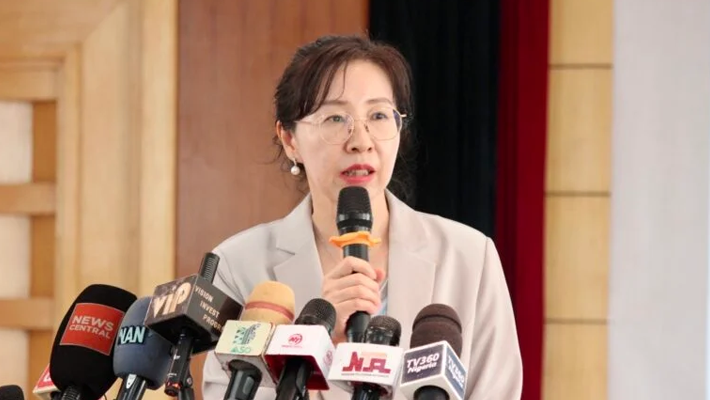
Dong Hairong, ac ounselor at the Chinese Embassy in Abuja, has called for stronger Nigerian support for the One-China principle to address growing Taiwan separatist activities.
Ms Dong made the appeal on Thursday in Abuja during a media parley jointly organised by the Centre for China Studies and the Centre for Contemporary China-Africa Research.
She criticised the recent visit of Taiwanese Presiden Lai Ching-te to Eswatini, describing it as a covert move aimed at expanding separatist activities internationally.
Ms Dong also expressed concern over the recent visit of a group of Nigerian journalists to Taiwan, where they reportedly met officials of Taiwan’s external affairs department.
According to her, Taiwan has been an inalienable part of China since ancient times, while the People’s Republic of China remained the sole legitimate government representing China internationally.
“At present, 183 countries, including Nigeria, have established diplomatic relations with China on the basis of the One-China principle,” she said.
Ms Dong cited the 1971 United Nations General Assembly Resolution 2758 as the legal basis affirming Beijing’s position on Taiwan.
“The One-China principle has become a universally acknowledged norm and a solemn commitment made by diplomatic partners to respect China’s sovereignty and territorial integrity,” she said.
She also noted that Nigeria had consistently reaffirmed support for the One-China principle since diplomatic relations were established between both countries in 1971.
Ms Dong added that the principle remained the political foundation of China-Nigeria relations and broader China-Africa cooperation.
“China sincerely expects all sectors of Nigeria’s society to firmly abide by the One-China principle and resolutely uphold China’s core interests and territorial integrity,” she said.
The envoy also highlighted growing cooperation between China and Nigeria in infrastructure, trade, agriculture, technology and education.
She referenced projects such as the Lekki Deep Sea Port, rail infrastructure, and the recently inaugurated ECOWAS headquarters in Abuja, built with Chinese assistance.
Ms Dong also noted that China recently introduced zero-tariff treatment for exports from 53 African countries that have diplomatic ties with Beijing, including Nigeria.
According to her, the policy will provide broader opportunities for Nigerian exports such as sesame, ginger, cocoa and cashew nuts in the Chinese market.
(NAN)

We have recently deactivated our website's comment provider in favour of other channels of distribution and commentary. We encourage you to join the conversation on our stories via our Facebook, Twitter and other social media pages.

More from Peoples Gazette

Agriculture
FG tasks ECOWAS on leveraging financing strategies for agroecology
The federal government has urged stakeholders in the agriculture and finance sectors in the West Africa region to leverage financing strategies to enhance agroecology practices

Politics
Katsina youths pledge to deliver over 2 million votes to Atiku
“Katsina State is Atiku’s political base because it is his second home.”
Africa
AfDB, African deposit funds collaborate on sustainable, long-term investment
Mr Attout said the agreement would transfer Africa economically.

Lagos
Plastic pollution raises environmental concerns in Lagos
Mr Abdulmujeeb stated, “When I’m in a public vehicle, I will just throw empty plastic drink outside the window.”

States
Edo community seeks intervention over alleged bridge destruction
Residents of Evbo-Iyamu have appealed to Governor Monday Okpebholo, Oba Ewuare II and security agencies to intervene over the alleged destruction of a bridge.

Sport
Cross River to establish football talent-hunt programme
The Cross River government to establish a football talent-hunt programme to identify, develop and sponsor talented young footballers to professional clubs outside Nigeria.
Health
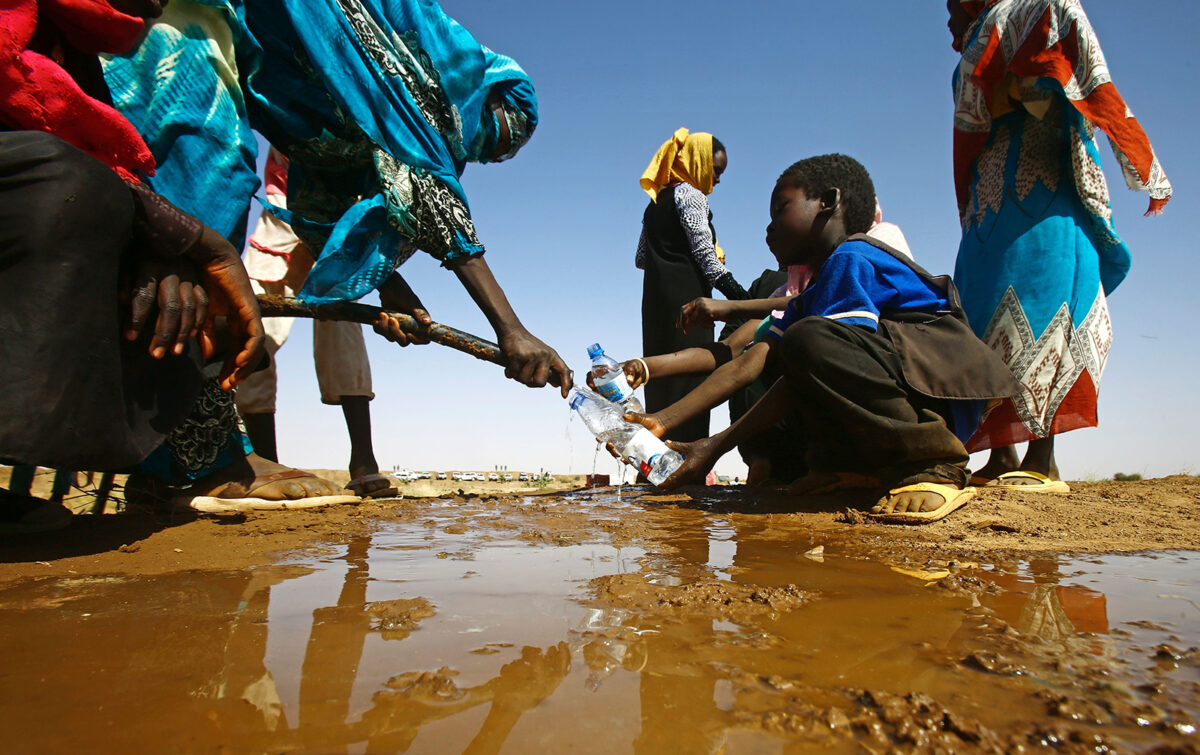
UN backs cholera vaccination campaign in Sudan’s North Darfur
The United Nations and humanitarian partners have launched a 10-day cholera vaccination campaign in Sudan’s North Darfur despite ongoing insecurity in the region.

Politics
Cross River cancels controversial LG recruitment, approves fresh 4,000 jobs
The Cross River government has announced the cancellation of the 2024/2025 local government recruitment exercise.


