

T+1 settlement will boost Nigeria’s economy, says expert
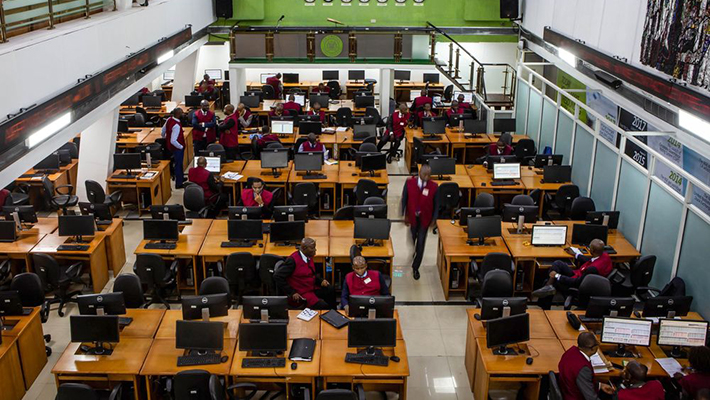
Eric Akinduro, a former chairman of the Ibadan Zone Shareholders Association, has said that adopting a T+1 settlement cycle in the Nigerian capital market would improve market efficiency and attract more investors.
Reacting to recent developments in the Nigerian stock market, Akinduro described them as a welcome development that would bring tremendous advantage to market operators and investors.
The association’s chairman disclosed in Ibadan on Monday that the latest transition to the T+1 settlement system aligns Nigeria with global best practices.
According to him, the market had previously operated T+3 settlement before moving to T+2, and the latest transition to T+1.
“What this means is that transactions will now be processed and completed faster, while proceeds from share sales become available within the next trading day.
“This will bring more attractiveness to the market and make our market more efficient and globally competitive,” he said.
Mr Akinduro noted that countries such as the United States, India and Canada had already adopted the T+1 settlement system.
The development, he said, would enable investors to gain quicker access to their funds.
“If you sell your shares today, you will have access to your payment tomorrow. It gives quick value to your money and enables quick access to payment,” he said.
Mr Akinduro also said that the system would attract more foreign investors to the Nigerian market. According to him, international investors place a high premium on transparency and prompt payment.
He, however, identified some challenges in implementing the system.
Mr Akinduro said stockbrokers, custodians and banks would need to upgrade their systems and processes to meet the tighter settlement timeline. He also stressed the need for immediate access to funds and for effective adaptation by market operators.
“In general, it is good for our market, but to make this effective, the level of compliance must always be monitored to ensure 100 per cent compliance,” the chairman said.
The Nigerian Capital Market will transition from the current T+2 Settlement Cycle to a T+1 Settlement Cycle, effective June 1, 2026.
(NAN)

We have recently deactivated our website's comment provider in favour of other channels of distribution and commentary. We encourage you to join the conversation on our stories via our Facebook, Twitter and other social media pages.

More from Peoples Gazette

States
Independence: NBA urges Nigerians to expect better future
The NBA said that ordinary Nigerians should be deriving benefit from the subsidy removal rather than hardship.

Agriculture
FG tasks ECOWAS on leveraging financing strategies for agroecology
The federal government has urged stakeholders in the agriculture and finance sectors in the West Africa region to leverage financing strategies to enhance agroecology practices

Politics
Katsina youths pledge to deliver over 2 million votes to Atiku
“Katsina State is Atiku’s political base because it is his second home.”

Anti-Corruption
Court fixes November 23 to rule on bail applications of Tunde Ednut’s alleged impersonators
The defendants face three charges bordering on cybercrime, conspiracy to commit fraud, impersonation, and obtaining money by false pretence.

Health
ATBUTH reduces dialysis fee to N12,000 per session
The statement said the intervention aimed to reduce the financial burden on patients requiring regular dialysis.

Politics
2027: Ex-LASU VC declares support for Tinubu’s re-election
She lauded Mr Tinubu’s strides and initiatives in the education sector and beyond.

Sport
2027 AFCON Qualifier: Super Eagles held to goalless draw in Tanzania
The Taifa Stars have already qualified for the tournament as co-hosts.

Africa
South Africa’s foreign affairs department summons Fani-Kayode over media outburst
The commission said the Nigerian envoy had been treated with contempt and disdain.

Sport
CAF names Busari among 10 nominees for women’s coach of the year
The 2026 CAF Awards will hold in Lagos at 7:00 p.m. on Wednesday, December 2.


