


WHO warns of rising pandemic threats

The World Health Organisation (WHO) says the world faces worsening pandemic threats, warning that investments in preparedness are failing to keep pace with rising global outbreak risks and emergencies.
A statement by the WHO on Monday said experts monitoring global preparedness warned that infectious disease outbreaks were becoming increasingly frequent and damaging, while widening health, economic, political and social consequences weakened recovery capacities globally.
According to the statement, a decade after Ebola exposed dangerous gaps in outbreak preparedness and six years after COVID-19 transformed those weaknesses into a global catastrophe, evidence now clearly demonstrates continuing international vulnerability.
It said a new Global Preparedness Monitoring Board (GPMB) report, titled “A World on the Edge: Priorities for a Pandemic-Resilient Future,” found infectious disease outbreaks were becoming increasingly frequent, severe and damaging worldwide.
The report said outbreaks were producing widening health, economic, political and social consequences globally, while countries increasingly lacked sufficient capacity and resilience required for effective recovery from major public health emergencies.
It said the board warned that in spite of investments made over the past decade, preparedness efforts had failed to keep pace with rising pandemic threats and increasing international public health vulnerabilities worldwide.
“New initiatives have improved aspects of preparedness, but overall these efforts are being offset by the growing effects of rising geopolitical fragmentation, ecological disruption, and global travel.
“The report analyses a decade of Public Health Emergencies of International Concern (PHEICs), from Ebola in West Africa to COVID-19 to mpox, assessing their impacts on health systems, economies and societies,” it stated.
According to the report, the world was moving backwards regarding equitable access to diagnostics, vaccines and therapeutics, in spite of repeated global commitments aimed at strengthening fairness during major international public health emergencies globally.
It said mpox vaccines reached affected low-income countries almost two years after outbreaks began, which was even slower than the 17 months required before COVID-19 vaccines reached vulnerable populations internationally.
“The escalating toll of such emergencies extends far beyond health and economic impacts: both Ebola and COVID-19 damaged trust in government, civil liberties and democratic norms.
“Amplified by politicised responses, attacks on scientific institutions and polarisation that have outlasted the crises, leaving societies less resilient to the next emergency,” the statement added regarding pandemic consequences worldwide.
The report emphasised that the real near-term risk of another pandemic would strike an increasingly divided and indebted world, less capable of protecting populations effectively than existed globally one decade earlier.
The statement said the report exposed all countries worldwide to potentially greater health, social and economic consequences if governments failed to strengthen preparedness systems and cooperation against emerging pandemic threats internationally.
It said the report highlighted the potential of artificial intelligence and digital technologies for preparedness, especially pandemic monitoring, but warned inadequate governance could widen dangerous health security and access inequalities globally.
Kolinda Grabar-Kitarovic, GPMB Co-Chair, said the world did not lack practical solutions required for strengthening preparedness systems and improving coordinated international responses against emerging and future pandemic threats globally.
“But without trust and equity, those solutions will not reach the people who need them most,” Mrs Grabar-Kitarovic said while urging stronger commitments toward equitable international pandemic preparedness efforts worldwide.
“Political leaders, industry and civil society can still change the trajectory of global preparedness if they turn their commitments into measurable progress before the next crisis strikes,” Mrs Grabar-Kitarovic further stated.
She said the GPMB, expected to conclude its mandate in 2026, identified three priorities for political leaders, including establishing independent monitoring systems to track and evaluate global pandemic risks consistently worldwide.
According to her, leaders must advance equitable access to vaccines, tests and treatments through the Pandemic Agreement while securing sustainable financing for preparedness activities and immediate emergency “Day Zero” responses internationally.
Joy Phumaphi, GPMB Co-Chair, warned that if international trust and cooperation continued weakening, every country would become increasingly exposed and vulnerable whenever another major pandemic emergency eventually emerged globally.
“Preparedness is not only a technical challenge, it is a test of political leadership,” Phumaphi stated while emphasising the importance of cooperation and accountability in strengthening international pandemic preparedness systems globally.
“The report concludes by highlighting that leadership will be tested this year, as governments work to finalise the WHO Pandemic Agreement,” Ms Phumaphi said.
She emphasised this while speaking on ongoing global pandemic preparedness negotiations internationally.
According to her, governments were also expected to agree on a meaningful United Nations political declaration addressing pandemic prevention, preparedness and response during ongoing international negotiations and policy discussions in 2026.
She added that the 2026 GPMB report would be launched on May 18 at the 79th World Health Assembly, where global leaders would collectively review international preparedness and response progress.
(NAN)

We have recently deactivated our website's comment provider in favour of other channels of distribution and commentary. We encourage you to join the conversation on our stories via our Facebook, Twitter and other social media pages.

More from Peoples Gazette

Agriculture
FG tasks ECOWAS on leveraging financing strategies for agroecology
The federal government has urged stakeholders in the agriculture and finance sectors in the West Africa region to leverage financing strategies to enhance agroecology practices

Politics
Katsina youths pledge to deliver over 2 million votes to Atiku
“Katsina State is Atiku’s political base because it is his second home.”

NationWide
NIA inaugurates committees on agriculture, reinsurance
The DG urged members of both committees to contribute meaningfully towards strengthening technical standards.

World
Man arrested for killing two sisters in UAE
The police said that the suspect confessed to committing the crime.
Heading 4
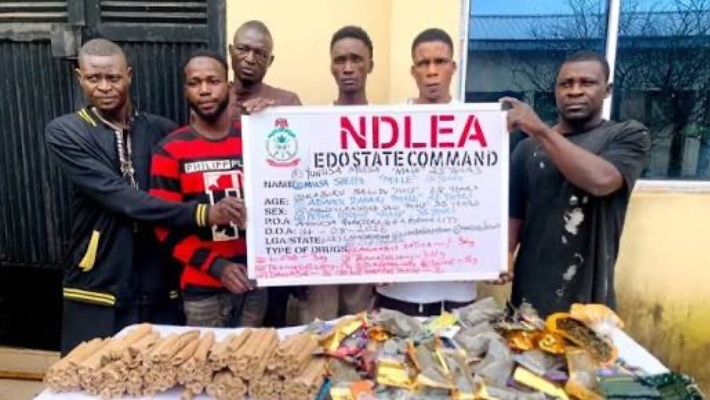
NDLEA nabs 68 suspected traffickers with hard drugs in Edo
He said the arrests resulted from several intelligence-led operations conducted across the state.

States
Delta: NDC urges issue-based campaigns ahead of 2027 elections
The chairman said that political contests should be determined by voters through the ballot box.
Heading 2
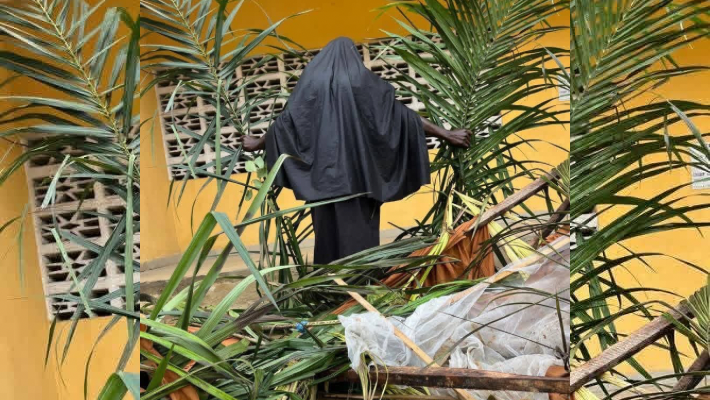
Police nab three over masquerader disturbance in Akwa Ibom
Mr Azare warned individuals and groups against exploiting cultural or traditional activities to cause disorder.
Abuja
Abuja Flash Floods: FCTA begins desilting drains
Mr Dauda also decried the theft of metal gully inlet covers by vandals.


