


ECA seeks urgent financing for Africa’s water, sanitation sector
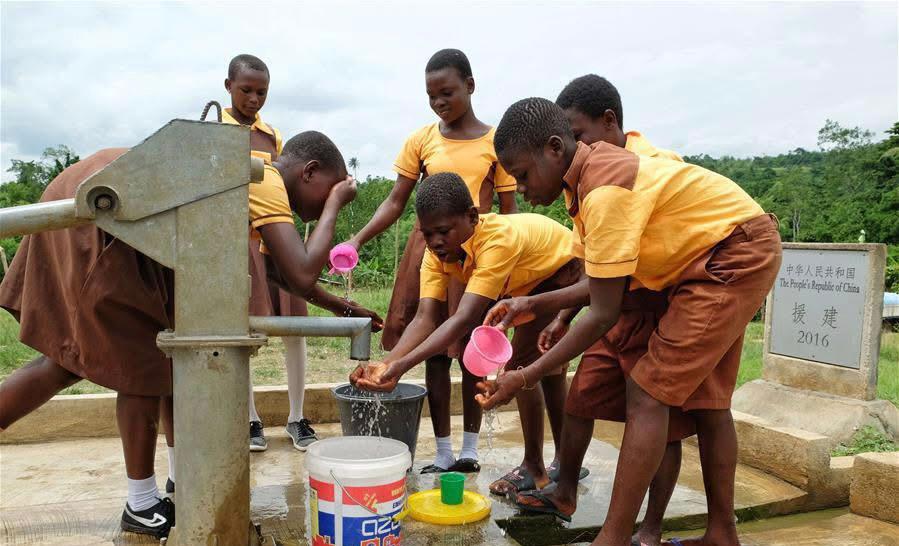
The executive secretary of the United Nations Economic Commission for Africa, Claver Gatete, has called for urgent action to close Africa’s huge financing gap in water and sanitation investments.
Mr Gatete made the call at a high-level side event on Financing Africa’s Water Investments during the 2026 Annual Meetings of the African Development Bank Group in Brazzaville, Republic of Congo.
He said inadequate investment in the sector was slowing progress on sustainable development, climate resilience and economic transformation across the continent. According to him, Africa requires more than 50 billion dollars annually to achieve Sustainable Development Goal 6 on clean water and sanitation.
Mr Gatete, however, noted that current annual investment in the sector stood between 12 billion dollars and 15 billion dollars.
“The challenge is not a lack of solutions; it is about how we prioritise, finance and implement them at scale,” Mr Gatete said.
He said that more than 400 million Africans still lacked access to basic drinking water, while more than 700 million people remained without safely managed sanitation services.
Mr Gatete also warned that water-related projects received less than three per cent of global climate finance in spite climate change impacts being largely transmitted through water systems.
“This imbalance has created a growing disconnect between the scale of the risk and the scale of investment,” he said.
He described water as critical to agriculture, energy, industrialisation, public health and regional integration, stressing that underinvestment in the sector had become a major economic constraint.
Mr Gatete urged African governments to integrate water into national development plans, fiscal policies and investment strategies. He also called for stronger project preparation systems to develop investment-ready water infrastructure projects across the continent.
The ECA boss further advocated expanded blended finance mechanisms and stronger governance systems to attract private capital and ensure accountability.
“The next phase must focus on turning the discussions into tangible results, including financed projects, stronger partnerships and improved access to water and sanitation for millions across Africa,” Mr Gatete said.
He reaffirmed ECA’s commitment to working with the African Development Bank, the African Union Commission and other partners to advance implementation of the Africa Water Vision 2063.
(NAN)

We have recently deactivated our website's comment provider in favour of other channels of distribution and commentary. We encourage you to join the conversation on our stories via our Facebook, Twitter and other social media pages.

More from Peoples Gazette

Agriculture
FG tasks ECOWAS on leveraging financing strategies for agroecology
The federal government has urged stakeholders in the agriculture and finance sectors in the West Africa region to leverage financing strategies to enhance agroecology practices

Politics
Katsina youths pledge to deliver over 2 million votes to Atiku
“Katsina State is Atiku’s political base because it is his second home.”
Africa
Climate Change: 32 million West Africans risk displacement, ECOWAS warns
The commissioner noted that West Africa remained highly vulnerable to climate change.

Heading 5
Nigeria exceeds OPEC quota for third consecutive month
According to the commission, Nigeria produced 1.505 million barrels of crude oil daily during the month.
Heading 2
Trump announces White House press secretary Karoline Leavitt’s resignation
Ms Leavitt, 28, is the youngest White House press secretary in history.

Heading 4
Group says two killed, houses set on fire as gunmen attack four villages in Plateau
The group condemned the fresh attacks.

Africa
Congo Ebola outbreak could surpass 2014–2016 epidemic, WHO warns
The WHO chief disclosed that 4,449 confirmed cases and 2,061 deaths had been reported.

NationWide
Investment in care economy will create decent jobs for women: Minister
Mrs Imaan tasked women leaders with the domestication of women’s policies in their states.


